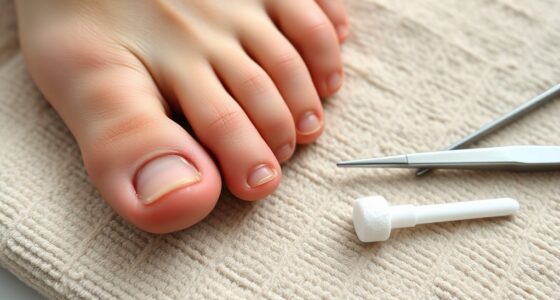
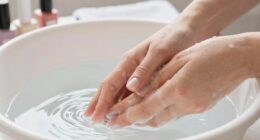
If you develop an ingrown toenail after a pedicure, you can try soaking your foot in warm water with Epsom salts and gently lifting the nail edges to insert cotton for relief, keeping the area clean and dry. Avoid aggressive trimming and monitor for increased pain, redness, or pus, which may require a doctor. If symptoms worsen or persist, professional treatment may be needed—learn more on how to care for your nails safely.
Key Takeaways
- Proper foot hygiene and gentle nail trimming can prevent ingrown toenails after a pedicure.
- Soaking your feet in warm water with Epsom salts provides relief and softens the nail.
- Carefully lift the ingrown nail edge and insert cotton or dental floss to reduce pressure.
- Seek medical attention if pain worsens, signs of infection appear, or symptoms persist despite home care.
- Choose reputable salons with high hygiene standards to prevent ingrown toenails and other foot issues.

Amazon Basics Epsom Salt Soak, Unscented, Magnesium Sulfate USP, Muscle and Feet Relaxation, Resealable Bag, 3 Pound
One 3-pound resealable bag of fragrance free epsom salt
As an affiliate, we earn on qualifying purchases.
As an affiliate, we earn on qualifying purchases.
Common Causes of Ingrown Toenails Following a Pedicure

One common cause of ingrown toenails after a pedicure is improper nail trimming. When you cut your nails too short or round the edges excessively, you increase the risk of the nail growing into the surrounding skin. It’s crucial to follow proper nail trimming techniques to prevent this. Additionally, poor foot hygiene can contribute to ingrown toenails, as dirt and bacteria build up around the nails, leading to infections that worsen the problem. Neglecting foot hygiene after a pedicure can leave your nails vulnerable to ingrowth. Always ensure you trim your nails straight across and keep your feet clean and dry. Good foot hygiene and careful nail trimming are essential steps in preventing ingrown toenails after a pedicure. Regular practice of visual and auditory cues can also improve foot care routines and help in early detection of issues.

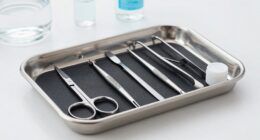
Bcabo 10Pcs/set Ingrown Toenail Tools Kit, Nail Treatment Foot Tool,Ingrown Toenail Removal Correction Clippers, Surgery Grade Nail File Lifter, Professional Pedicure Tool
Home Treatment for Ingrown Toenail: With user manual inside. Professional pedicure set adopt lever mechanics to change the…
As an affiliate, we earn on qualifying purchases.
As an affiliate, we earn on qualifying purchases.
Tips for Safe Home Care and Relief

Proper nail trimming and good foot hygiene are key to preventing ingrown toenails after a pedicure, but sometimes discomfort or pain still occur. To manage this at home, soak your feet in warm water with Epsom salts for 15-20 minutes to reduce inflammation. Gently lift the edge of the ingrown nail with a clean tool and place a small piece of cotton or dental floss underneath to encourage proper growth. Keep the area clean and dry throughout the day to prevent infection. Use over-the-counter pain relievers if needed. Here’s a quick guide:
| Tip | Explanation |
|---|---|
| Maintain proper nail trimming | Cut nails straight across to avoid ingrowth |
| Practice good foot hygiene | Wash feet daily and dry thoroughly |
| Avoid tight footwear | Prevent pressure that worsens discomfort |
| Use soothing soaks | Reduce swelling and promote healing |
| Seek medical advice if necessary | Persistent pain or signs of infection require attention |
Additionally, choosing quality gelato or frozen desserts can provide a refreshing treat without aggravating foot issues, especially if you opt for dairy-free options.

6-Pack Ingrown Toenail File and Lifters, Professional Surgical Stainless Steel Ingrown Toenail Removal Tool Kit, Manicure Treatment Pedicure Tools for Feet Under Nail Cleaner Correction Polish Pain
✔ INGROWN TOENAIL PEDICURE: This pedicure kit – pedicure tools for feet is designed to effectively address ingrown…
As an affiliate, we earn on qualifying purchases.
As an affiliate, we earn on qualifying purchases.
Recognizing When an Ingrown Toenail Requires Medical Attention

Although most ingrown toenails improve with home care, certain signs indicate you should see a healthcare professional promptly. If your pain worsens despite proper nail trimming and maintaining good foot hygiene, it’s time to seek help. Look for increased redness, swelling, or pus around the affected nail, as these may signal infection. If you notice the ingrown toenail is spreading or causing severe discomfort, don’t delay medical attention. Additionally, if you have underlying conditions like diabetes or poor circulation, you should consult a doctor sooner, since complications can develop more quickly. Ignoring these signs can lead to serious infections or tissue damage. For persistent or worsening symptoms, proper foot hygiene is essential, but do not rely solely on home remedies when complications arise. Always prioritize professional care if your symptoms worsen or persist despite your efforts.

POH Dental Floss Unwaxed, 100 Yard- 4 Pack
Pack of four, 100-yards per unit (total of 400 yards)
As an affiliate, we earn on qualifying purchases.
As an affiliate, we earn on qualifying purchases.
Preventive Measures for Future Pedicure Safety

To reduce the risk of ingrown toenails recurring after a pedicure, taking proactive steps before and during your appointment is key. First, choose a salon that prioritizes pedicure hygiene—clean tools, sanitized equipment, and fresh linens help prevent infections. Communicate your concerns with your technician, emphasizing gentle nail trimming techniques. Avoid overly aggressive cuttings or rounding the edges too much, as this can encourage ingrowth. Opt for a professional who trims nails straight across, preventing sharp corners that can dig into the skin. Additionally, ensure your toenails aren’t cut too short, which can cause pressure and ingrowth. Maintaining good hygiene at home by keeping your feet clean and dry also supports future pedicure safety and reduces the likelihood of developing ingrown toenails. Incorporating proper shower fixtures can also help keep your feet clean and prevent infections that might contribute to ingrown toenails.
When to Seek Professional Treatment for Ingrown Toenails

You should see a healthcare professional promptly if your ingrown toenail becomes increasingly painful, swollen, or shows signs of infection such as pus or redness spreading beyond the nail area. Poor pedicure hygiene can introduce bacteria, worsening the issue, so professional treatment is essential. If your pain persists despite home remedies, or if your nail’s growth is abnormal, seek medical help. Additionally, improper nail trimming techniques—like cutting nails too short or rounding the edges—can worsen ingrown toenails. A healthcare provider can safely remove or treat the ingrown portion and provide antibiotics if infection occurs. Don’t delay if symptoms worsen or if you have underlying conditions like diabetes, which can complicate healing. Proper nail care is crucial in preventing ingrown toenails and ensuring healthy nail growth. Prompt care prevents complications and ensures proper healing.
Frequently Asked Questions
Can Ingrown Toenails Reoccur Even After Proper Pedicure Care?
Yes, ingrown toenails can reoccur even after proper pedicure care. Nail growth varies, and if the pedicure techniques don’t address underlying issues like improper trimming or nail curvature, the problem might return. To prevent this, make sure your pedicurist uses gentle, correct techniques and follow good foot care habits at home. Regular check-ups can help catch early signs of ingrown toenails before they become painful or infected.
Are There Specific Foot Conditions That Increase Ingrown Toenail Risk?
Certain foot conditions, like fungal infections and diabetic foot, increase your risk of ingrown toenails. Fungal infections weaken the nail’s structure, making it easier for ingrowth to occur, while diabetic foot issues impair circulation and healing, heightening infection risk. If you have these conditions, take extra care with nail trimming and hygiene. Regular check-ups with your healthcare provider are essential to prevent complications and catch problems early.
How Long Does It Typically Take for an Ingrown Toenail to Heal?
Healing time for an ingrown toenail varies based on factors like severity, treatment, and your overall health. Typically, it takes about 1 to 3 weeks for mild cases, but more severe ones can take longer. To speed recovery, keep the area clean, avoid pressure, and follow your healthcare provider’s advice. Remember, proper care and addressing infections early can shorten your healing timeline and prevent complications.
What Home Remedies Are Most Effective for Mild Ingrown Toenails?
When it comes to mild ingrown toenails, home remedies are your best bet. Soak your toe in warm, salty water to soften the skin and reduce swelling. Gently lift the edge of the nail and place a small piece of cotton underneath to encourage proper nail growth. Keep up with proper toenail care, wear comfortable shoes, and avoid tight socks. If pain persists, see a doctor before things get out of hand.
Are There Any Long-Term Complications From Untreated Ingrown Toenails?
If you ignore an ingrown toenail, long-term damage can occur, including persistent pain, infection, or even nerve damage. Over time, untreated ingrown toenails may lead to deformities or more severe infections that become harder to treat. You should see a doctor if symptoms worsen or don’t improve, to prevent lasting nerve damage and other complications that could affect your foot’s function and comfort in the long run.
Conclusion
Think of your toes as delicate gardens—you nurture them with care, avoiding harsh mistakes. Just like tending plants, gentle attention prevents weeds from taking over. If an ingrown toenail crops up, handle it with care or seek help before it spreads like weeds choking your garden. With mindful steps and prompt action, you can keep your toes healthy and vibrant, allowing your life’s journey to walk smoothly, free from pain and worry.