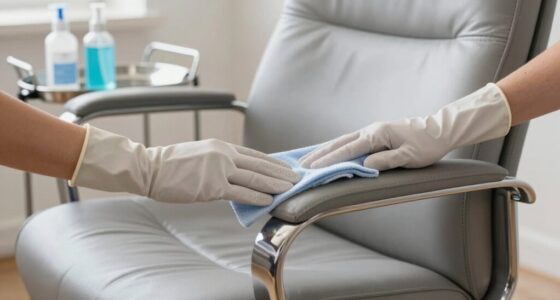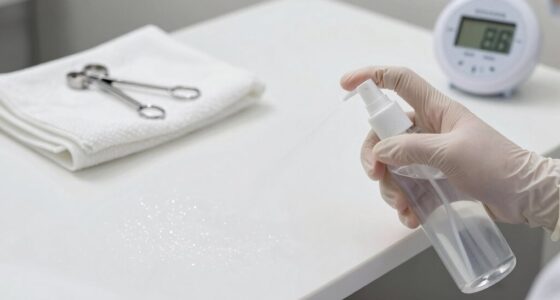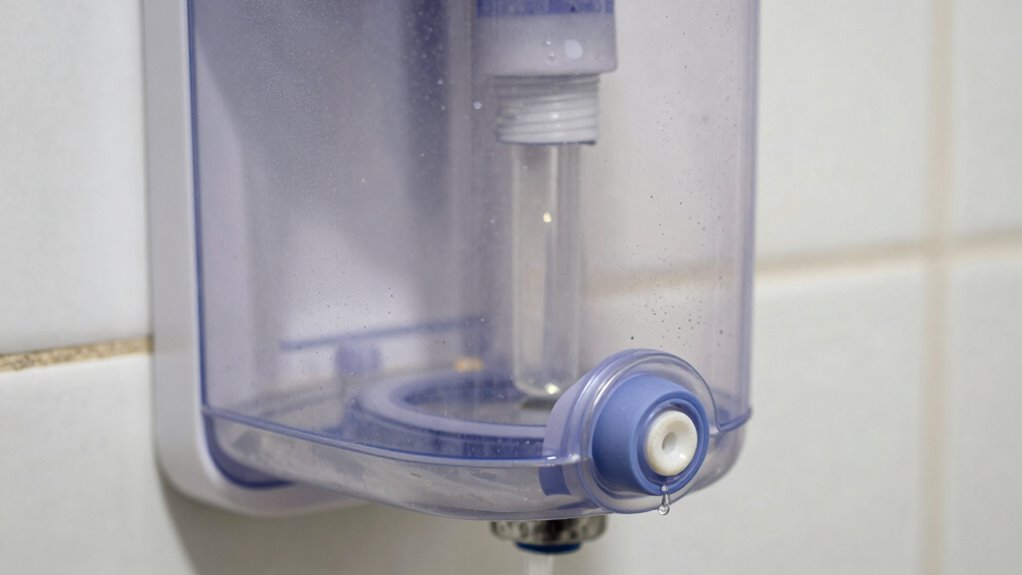

Refillable dispensers can create hygiene risks if you don’t clean and maintain them properly. Bacteria, mold, and microbes can build up when parts aren’t sanitized regularly, leading to potential contamination and increased health risks. Touch points like nozzles can transfer germs between users, especially if hand hygiene isn’t practiced. Using touchless models and following proper cleaning protocols can help reduce these hazards. Keep exploring to discover more ways to keep your dispensers safe and clean.

Get beauty and skincare favorites delivered free — and shop member deals
- Fast, free delivery on millions of items
- Access to Prime Big Deal Days deals on October 6–7
- Prime Video, Amazon Music and more included
Key Takeaways
- Improper cleaning leads to microbial buildup on nozzles and dispensing parts.
- Neglecting maintenance can cause contamination and bacterial growth.
- Touchpoints increase germ transfer between users and dispenser surfaces.
- Inadequate disinfection allows mold, bacteria, and microbes to proliferate.
- Lack of proper protocols and staff training hampers effective hygiene management.
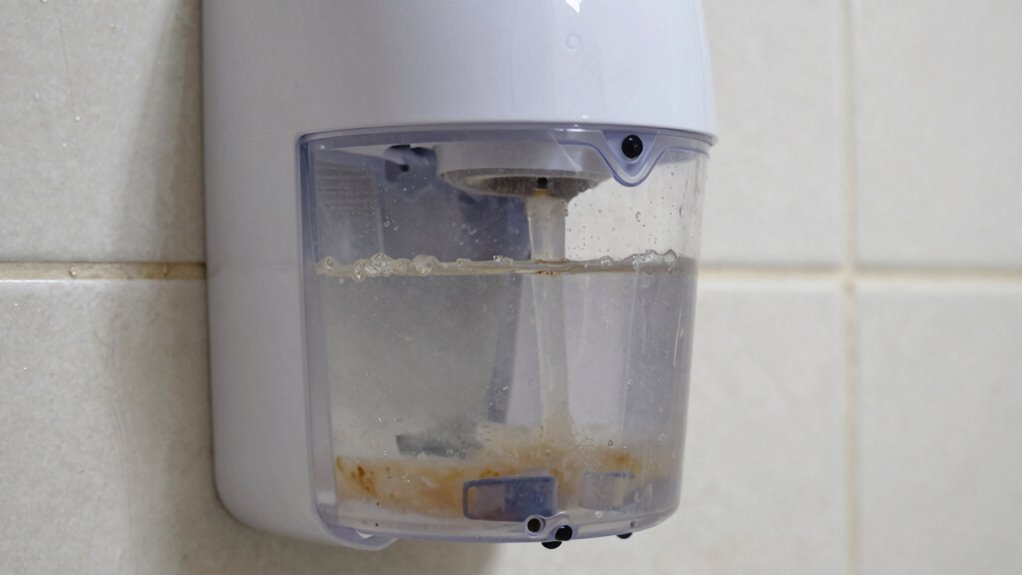
Refillable dispensers have become popular for their cost-effectiveness and environmental benefits, but they also pose serious hygiene risks if not properly maintained. When you rely on these dispensers, it’s essential to understand that their cleanliness directly impacts safety. If you neglect proper cleaning protocols, you risk contamination and the spread of germs. Regularly sanitizing the dispenser surfaces, especially the nozzles and dispensing mechanisms, is critical. Without consistent cleaning, bacteria, mold, and other microbes can accumulate, creating a breeding ground for pathogens. This buildup not only compromises the hygiene of the dispenser but also threatens the health of everyone who uses it. Additionally, the technology used in dispensers can influence how easily they are cleaned and maintained, affecting overall hygiene.
User hand hygiene plays a key role in maintaining overall cleanliness. When you touch a refillable dispenser, it’s easy to transfer germs onto its surface, especially if your hands aren’t clean. Conversely, if the dispenser isn’t properly sanitized, it can transfer germs back onto your hands and onto other surfaces. This cycle emphasizes the importance of practicing good hand hygiene before and after using the dispenser. Washing your hands thoroughly with soap and water or using an alcohol-based sanitizer minimizes the transfer of microbes. It’s equally important that the dispenser’s design encourages touchless operation when possible, reducing contact points and further lowering contamination risks. Additionally, choosing models with advanced filtration systems can help reduce the spread of airborne contaminants associated with dispensers. Proper dispenser maintenance is also crucial to prevent microbial growth and ensure safety. Regular inspections and timely replacements of worn parts can significantly enhance hygiene standards.
Implementing strict cleaning protocols is essential for maintaining hygiene standards. These protocols should specify how often the dispensers need cleaning, what cleaning agents to use, and the correct method for disassembling and sanitizing each part. For instance, some parts may require soaking in disinfectant or thorough wiping with disposable cloths. Using appropriate cleaning protocols ensures effective removal of microbes and prevents buildup. Training staff or users on these protocols ensures consistency and effectiveness. Additionally, keeping a cleaning schedule visible and maintaining logs can help track compliance and identify when maintenance is overdue. Proper documentation supports accountability and helps maintain ongoing hygiene standards. Ultimately, your awareness of how hygiene risks are linked to both cleaning protocols and user hand hygiene can substantially reduce contamination issues. You should always prioritize regular and thorough cleaning of refillable dispensers, especially in high-traffic areas. Coupling this with consistent hand hygiene practices creates a safer environment for everyone. Proper maintenance and personal hygiene are simple yet powerful tools to prevent the spread of germs and ensure that refillable dispensers remain a hygienic, cost-effective solution.
As an affiliate, we earn on qualifying purchases.
Frequently Asked Questions
How Often Should Refillable Dispensers Be Cleaned?
You should clean refillable dispensers at least once a week to maintain proper hygiene. Regular cleaning is essential for effective dispenser maintenance and helps prevent bacterial growth. Follow a consistent cleaning schedule, thoroughly washing all parts with warm soapy water and disinfecting them regularly. If the dispenser is used frequently or if there’s any visible buildup, consider increasing cleaning frequency to guarantee safety and hygiene standards are met.
What Materials Are Best for Hygienic Dispensers?
Think of choosing the right material as laying a fortress for hygiene. You should opt for materials like stainless steel or high-quality plastics, which excel in durability and resist bacteria buildup. Good design ergonomics also matter—easy-to-clean surfaces and minimal crevices prevent germs from hiding. These materials and thoughtful design work together to keep your dispenser hygienic, reducing contamination risks and ensuring safe, long-lasting use.
Can Bacteria Survive in Liquid Soap or Sanitizer?
Yes, bacteria can survive in liquid soap or sanitizer, especially if there’s bacterial contamination or soap residue left behind. When you don’t clean dispensers regularly, bacteria can thrive in residual soap or sanitizer, risking cross-contamination. To prevent this, you should rinse dispensers thoroughly and wash them frequently. Proper maintenance minimizes bacterial growth, ensuring your soap or sanitizer remains hygienic and safe for use.
Are There Industry Standards for Dispenser Hygiene?
You’re right to ask about industry standards for dispenser hygiene. While specific regulations vary, best practices emphasize proper dispenser design and user education to reduce risks. Many industries follow guidelines that recommend touchless or sealed systems to prevent contamination. You need to guarantee your dispensers are easy to clean and that users understand how to operate them correctly. This proactive approach helps keep hygiene levels high and minimizes the spread of germs.
How Can Users Reduce Contamination Risks?
To reduce contamination risks, you should practice proper dispensing techniques, like avoiding direct contact with the dispenser tip and using clean hands or utensils. Pay attention to dispenser design—choose models with smooth, easy-to-clean surfaces and minimal crevices. Regularly sanitize the dispenser, refill carefully, and keep the area tidy. These steps help prevent bacteria buildup and maintain hygiene, safeguarding users from potential health risks.
dispenser cleaning and sanitizing kit
As an affiliate, we earn on qualifying purchases.
As an affiliate, we earn on qualifying purchases.
Conclusion
So, next time you grab a refillable dispenser, ask yourself: is convenience worth risking your health? While they’re eco-friendly and cost-effective, improper refilling and cleaning can turn them into breeding grounds for germs. Don’t let hygiene take a backseat for the sake of saving a few bucks. Are you willing to overlook potential health risks just to avoid a little extra effort? Stay vigilant—your well-being depends on it.
automatic hand sanitizer dispenser
As an affiliate, we earn on qualifying purchases.
As an affiliate, we earn on qualifying purchases.
As an affiliate, we earn on qualifying purchases.
Fall Picks
fall essentials
As an affiliate, we earn on qualifying purchases.