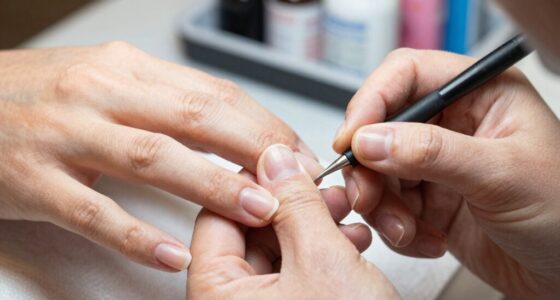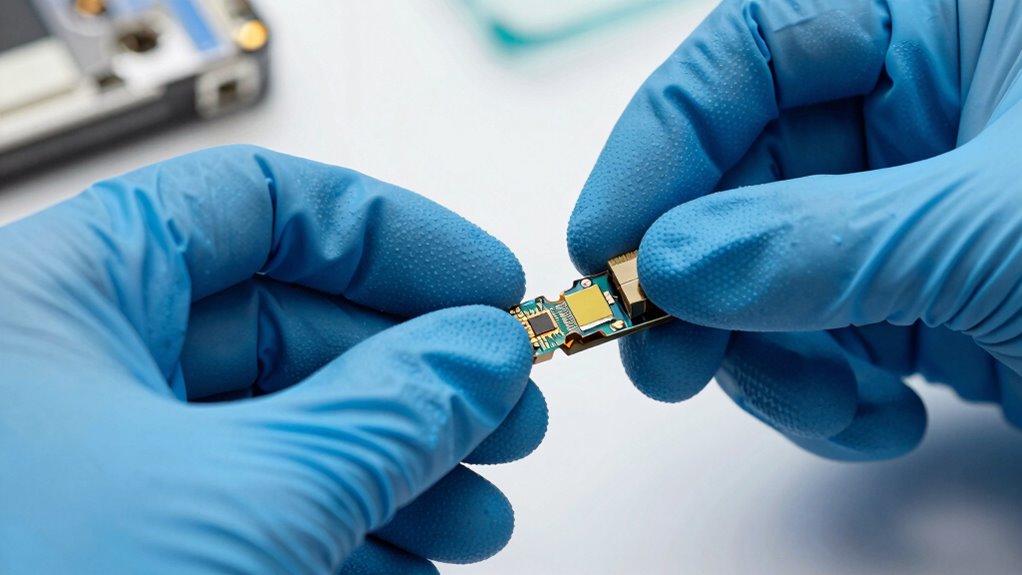

Wearing gloves during e-file and product removal is essential because they act as a barrier that reduces the risk of transferring bacteria, fungi, and viruses. Handling nail products and tools can release tiny particles and debris, which can contaminate surfaces or spread infections if not managed properly. Gloves also protect your skin from microbes entering through small cuts. By maintaining this hygiene practice, you show professionalism and prioritize safety — learn more about how gloves enhance your safety and client trust.

Get beauty and skincare favorites delivered free — and shop member deals
- Fast, free delivery on millions of items
- Access to Prime Big Deal Days deals on October 6–7
- Prime Video, Amazon Music and more included
Key Takeaways
- E-file and product removal generate fine debris that can contain bacteria and fungi, increasing contamination risk.
- Gloves act as a barrier protecting both practitioner and client from potential microbial exposure.
- Handling porous nail products can harbor bacteria, making gloves essential for maintaining hygiene.
- Proper glove use prevents cross-contamination between surfaces, tools, and clients during removal procedures.
- Wearing gloves demonstrates professionalism and reassures clients about safety and sanitation standards.
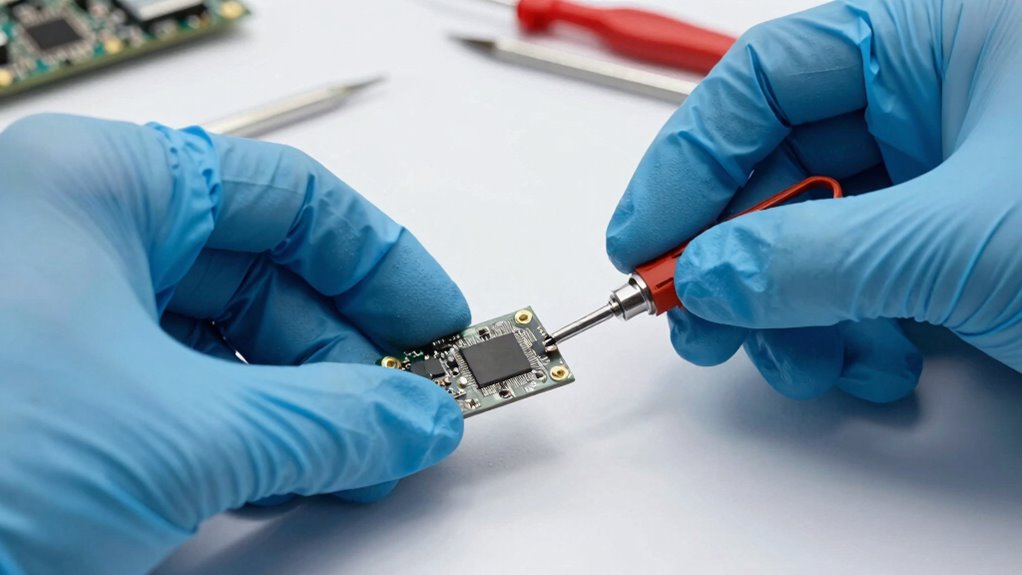
Have you ever wondered why professionals always wear gloves during e-file and product removal? The answer lies in the critical importance of sanitization and contamination prevention. When you’re handling nails, tools, or products, you’re not just working with your hands—you’re working in a setting where hygiene directly impacts the safety and health of both you and your clients. Gloves act as a barrier, reducing the risk of transmitting bacteria, fungi, or viruses that can be present on surfaces or skin. Even if your hands look clean, microscopic organisms can still be lurking, and without gloves, they can transfer easily to tools or nails, potentially causing infections or cross-contamination.
Wearing gloves during nail procedures prevents bacteria transfer and ensures a hygienic, professional service environment.
The sanitization significance becomes even clearer during these procedures. Nails are porous, and products like acrylic, gel, or dip powders can harbor bacteria if not handled properly. When you remove or file products, tiny particles and debris are released into the air and onto surfaces. If you don’t wear gloves, these particles can come into contact with your skin, or worse, be transferred to other clients or surfaces. Wearing gloves ensures that these particles stay on the gloves’ surface, which you can dispose of safely afterward, preventing contamination from spreading. This simple step upholds a professional standard of cleanliness and demonstrates your commitment to client safety. Additionally, proper glove disposal is essential to prevent recontamination in your workspace.
Contamination prevention is also essential because it minimizes the chance of fungi and bacteria developing into infections. Breaks or cuts in the skin, even small ones, can serve as entry points for pathogens. When you wear gloves, you create a protective barrier that shields your skin from potential exposure to harmful microbes during the removal process. This is especially important when working with clients who might have compromised immune systems or existing infections. By consistently using gloves, you’re actively reducing the risk of transmitting germs back and forth, which is fundamental in maintaining a hygienic environment. Additionally, understanding the contrast ratio of your tools and environment can help ensure that your workspace remains safe and effective for infection control. Proper glove use also supports infection control practices, which are vital in a professional setting.
Furthermore, gloves help you maintain a professional appearance and reassure clients that you prioritize cleanliness. Clients feel more confident when they see you taking precautions, knowing you’re committed to preventing contamination. It’s a simple yet powerful way to uphold health standards, protect yourself, and foster trust. Proper glove use can also serve as a visual reminder of the importance of hygiene standards in your practice. Additionally, keeping up with regular hand hygiene is crucial to complement glove use and further reduce contamination risks. Ultimately, the use of gloves during e-file and product removal isn’t just a protocol; it’s a vital step to guarantee safety, uphold sanitation standards, and prevent contamination. When you make it a habit, you’re not only protecting yourself and your clients—you’re elevating the quality and professionalism of your service.
disposable nitrile gloves for nail tech
As an affiliate, we earn on qualifying purchases.
As an affiliate, we earn on qualifying purchases.
Frequently Asked Questions
Are Latex Gloves Better Than Nitrile Gloves for E-Filing?
Latex gloves are often better than nitrile gloves for e-filing because of their superior material flexibility and tactile sensitivity, which helps you handle delicate documents more precisely. Comfort considerations also favor latex, as many find them softer and more comfortable for extended wear. However, if you have latex allergies, nitrile gloves are a safer alternative, offering good durability and resistance without sacrificing too much comfort or dexterity.
How Often Should Gloves Be Changed During Removal Processes?
You should change gloves frequently during removal processes, especially after each significant task or if they become contaminated. The glove material, whether latex or nitrile, influences the changing frequency—nitrile gloves typically offer better durability and resistance, so you might go longer between changes. However, to guarantee safety and prevent cross-contamination, it’s best to replace gloves promptly whenever they show signs of damage or contamination. Stay vigilant to protect yourself and your work.
Can Gloves Prevent Cross-Contamination Between Nails and Tools?
Yes, gloves can prevent cross-contamination between nails and tools when you practice proper hand hygiene and guarantee tool sterilization. Wearing gloves creates a barrier that minimizes the transfer of bacteria or debris from nails to tools, and vice versa. Remember to change gloves frequently, especially after each client or if they become contaminated, and always sterilize tools thoroughly to maintain a safe, hygienic environment.
What Are the Risks of Not Wearing Gloves During E-File Use?
Not wearing gloves during e-file use risks exposing your hands to bacteria, dust, and nail debris, which can cause infections. Hand hygiene becomes less effective without gloves, especially when dealing with multiple clients. Additionally, gloves with poor durability may tear, leaving your skin vulnerable. Wearing sturdy gloves helps protect your skin, maintains a clean environment, and reduces the chance of cross-contamination, ensuring a safer, more professional service.
Are There Eco-Friendly Glove Options for Nail Professionals?
Think of eco-friendly gloves as the shield guarding your commitment to the planet. You can choose sustainable options made from eco-friendly materials like bamboo, recycled plastics, or biodegradable latex. These gloves symbolize your dedication to reducing waste while maintaining safety. By opting for environmentally conscious gloves, you protect both your clients and the Earth, turning your nail station into a space of beauty and sustainability.
latex-free gloves for manicure removal
As an affiliate, we earn on qualifying purchases.
As an affiliate, we earn on qualifying purchases.
Conclusion
Wearing gloves during e-filing and product removal is like donning a shield in a battlefield—you protect yourself from hidden dangers lurking in every corner. Just as a knight’s armor keeps them safe, gloves guard your skin from sharp tools and tiny debris. So, slip them on with confidence, knowing you’re weaving a safety net that catches hazards before they can strike. Remember, your hands are your greatest tools—treat them with the care they deserve.
professional nail technician gloves
As an affiliate, we earn on qualifying purchases.
As an affiliate, we earn on qualifying purchases.
hygienic glove for e-file and product removal
As an affiliate, we earn on qualifying purchases.
As an affiliate, we earn on qualifying purchases.
Fall Picks
fall essentials
As an affiliate, we earn on qualifying purchases.