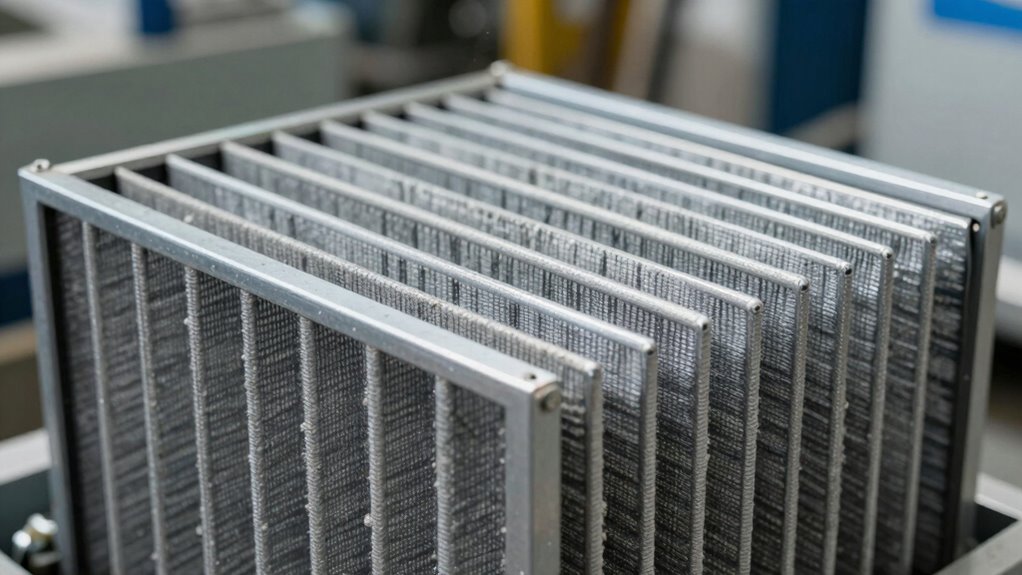

To keep your dust collector filters working longer, prioritize regular inspections and gentle cleaning to prevent dust buildup and damage. Replace filters timely based on their lifespan to avoid system overloads, and choose the right filter type for your needs to guarantee maximum performance. Proper maintenance reduces energy costs, extends filter life, and creates a safer environment. Continue exploring these tips to discover more ways to maximize your filter’s efficiency and lifespan.

Get beauty and skincare favorites delivered free — and shop member deals
- Fast, free delivery on millions of items
- Access to Prime Big Deal Days deals on October 6–7
- Prime Video, Amazon Music and more included
Key Takeaways
- Regularly inspect filters for tears, holes, and dust buildup to prevent performance degradation.
- Clean filters gently using brushing or compressed air, following manufacturer instructions for washable types.
- Monitor pressure drops across filters to identify when replacements are needed before system overloads.
- Choose high-quality, appropriate filters based on dust size, airflow, and chemical exposure for durability.
- Schedule timely replacements based on filter lifespan and usage to maintain optimal system efficiency.

You should prioritize routine checks to identify signs of wear or damage early. Look for tears, holes, or uneven dust buildup, as these issues can drastically reduce filter performance. Cleaning methods, such as gentle brushing or compressed air, help remove accumulated dust without damaging the filter media. For filters that can be washed, follow the manufacturer’s cleaning instructions to avoid shortening their lifespan. Remember, a well-maintained filter has a longer service life and maintains peak performance, saving you money over time.
Regularly inspect and clean filters to extend lifespan and ensure optimal performance.
Efficiency optimization depends heavily on your commitment to proper filter maintenance. When filters are clogged or dirty, airflow becomes restricted, forcing your system to work harder and consume more energy. This not only increases operational costs but also accelerates wear on other components of your dust collection system. By keeping filters clean and replacing them when necessary, you ensure optimal airflow and filtration efficiency. Regular monitoring of pressure drops across filters can help you spot when they’re nearing the end of their effective lifespan, prompting timely replacements that prevent system overloads. Additionally, understanding filter media can help you select the most suitable options for your specific needs. Staying informed about filter performance and how it correlates with system efficiency can further improve your maintenance routine.
In addition to routine cleaning, selecting the right filter type for your specific application can significantly enhance efficiency. Consider factors like dust particle size, airflow rate, and chemical exposure when choosing filters, as these influence their lifespan and performance. Investing in high-quality filters may have a higher upfront cost but offers better durability and filtration efficiency, which translates into fewer replacements and lower maintenance efforts over time. Proper filter selection also relies on understanding filter lifespan to plan replacements and budget accordingly, avoiding unexpected downtime. Staying informed about filter specifications ensures your system remains aligned with your operational needs. Moreover, educating yourself on filter replacement intervals can help you develop a proactive maintenance schedule that minimizes disruptions.
Ultimately, your goal is to maintain a dust collection system that runs smoothly and efficiently. Consistent filter maintenance, combined with strategic filter selection and timely replacements, ensures your system operates at peak efficiency. This approach not only extends the lifespan of your filters but also sustains a safer, cleaner work environment—benefiting everyone involved. Prioritize these practices, and you’ll keep your dust collector filters working longer, more effectively, and with less hassle.
dust collector filter replacement
As an affiliate, we earn on qualifying purchases.
As an affiliate, we earn on qualifying purchases.
Frequently Asked Questions
How Often Should Filters Be Replaced for Optimal Performance?
You should replace filters based on your maintenance schedule, but typically, they need changing every 1 to 3 months for peak performance. Regular filter installation checks and inspections help identify when filters are clogged or damaged. Adhering to your maintenance schedules ensures filters stay effective, preventing dust buildup and equipment issues. Always monitor filter condition, and replace them promptly to maintain efficient dust collection and protect your system.
What Are Signs of a Failing Dust Collector Filter?
You’ll notice signs of a failing dust collector filter through increased dust accumulation and decreased airflow. If the filter material appears visibly clogged, dirty, or damaged, it’s a clear indicator it’s not functioning properly. You might also experience rising pressure drops or a musty smell. Regularly inspecting your filters helps catch these issues early, ensuring peak performance and preventing costly downtime or damage.
Can Filter Cleaning Methods Extend Filter Lifespan?
Yes, filter cleaning techniques and regular filter inspection can extend your filter lifespan. When you inspect filters regularly, you catch buildup early, preventing clogging. Use appropriate cleaning methods like pulse jet cleaning or gentle brushing to remove dust without damaging the filter media. Consistent maintenance guarantees your filters stay effective longer, saving you money and reducing downtime. Proper cleaning techniques and timely inspections are essential for maximizing your dust collector filter’s lifespan.
Are There Specific Filters for Different Dust Types?
Coincidentally, choosing the right filter material depends on dust classification. You should select filters designed for specific dust types, like fine particles or heavy debris, to optimize performance and longevity. Different dusts require different filter media, such as fiberglass or polyester, to prevent clogging and damage. By matching filters to dust classification, you guarantee efficient filtration, reduce maintenance, and extend filter lifespan, ultimately saving you time and money.
How Does Humidity Affect Filter Efficiency?
Humidity impact can markedly reduce your filter’s efficiency by causing dust particles to clump together, making them harder to filter out. Excess moisture accelerates filter degradation, shortening its lifespan and increasing maintenance needs. To keep your dust collector running smoothly, monitor humidity levels and consider using filters designed for high-humidity environments. Properly managing humidity helps prevent filter clogging and ensures consistent filtration performance over time.
As an affiliate, we earn on qualifying purchases.
Conclusion
By maintaining your dust collector filters properly, you’re like a skilled gardener nurturing your plants—ensuring they thrive and last longer. Regular cleaning and timely replacements prevent buildup and keep airflow smooth. Think of it as giving your system a gust of fresh air, boosting efficiency and saving you money. Keep up with these simple steps, and your filters will serve you well, like a trusty tool always ready when you need it most.
high efficiency dust filters for workshop
As an affiliate, we earn on qualifying purchases.
As an affiliate, we earn on qualifying purchases.
compressed air filter cleaning tools
As an affiliate, we earn on qualifying purchases.
As an affiliate, we earn on qualifying purchases.
Fall Picks
fall essentials
As an affiliate, we earn on qualifying purchases.