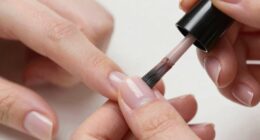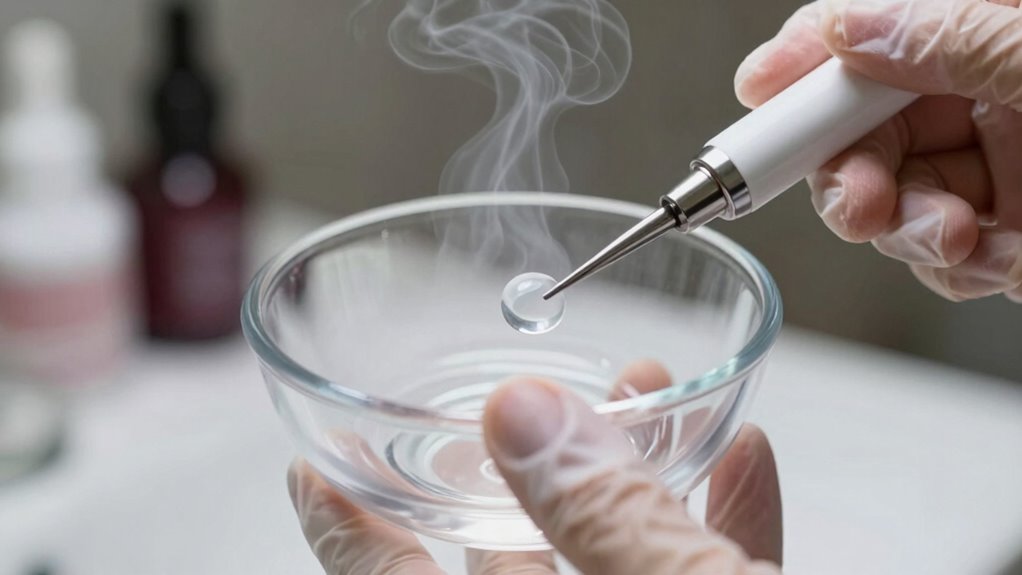

To speed up and keep removal cleaner, use ultra-thin filing before soaking to expose less product and reduce soak time. Opt for eco-friendly acetone or gel remover wraps with gel pads, avoiding oversaturation. Consider electric files or soak-off gel systems that activate with UV/LED lamps for faster breakdown. Choosing gentle, specialized tools and techniques minimizes damage and waste. Keep exploring for more tips on efficient, eco-conscious removal methods that protect your nails and environment.
Key Takeaways
- Use gel remover pads or foil wraps to reduce acetone saturation and improve absorption efficiency.
- Thin acrylic or gel layers with proper filing or buffing before soaking accelerates removal.
- Employ UV/LED activated soak-off products to speed up chemical breakdown and decrease removal time.
- Opt for eco-friendly, biodegradable acetone options to minimize environmental impact during removal.
- Incorporate electric files or gentle buffing to weaken layers, enabling faster, safer removal with less damage.

Soak-off gel and acrylic nails are popular for their durability and sleek finish, but removing them can be time-consuming and damaging if not done properly. Traditional removal methods often involve soaking nails in acetone, which can weaken your natural nails and cause dryness or peeling. Fortunately, there are faster, cleaner techniques that minimize damage while making the process more efficient. If you’re looking to preserve your natural nails and reduce environmental impact, exploring acrylic alternatives like gel polish or polyGel can be beneficial. These options are designed to be easier to remove and often require less harsh chemicals, making them a more eco-friendly choice.
Removing gel and acrylic nails can be damaging; explore eco-friendly, efficient alternatives for healthier, faster results.
When aiming for quicker removal, the key is to use tools and methods that break down the product efficiently without excessive soaking. One effective approach is to file the surface of the nails gently with a coarse nail file to remove the shiny topcoat. This step exposes the deeper layers to the acetone and speeds up the process. Instead of soaking, you can use foil wraps soaked in acetone, but make sure they’re not overly saturated to prevent excess waste and chemical runoff. Alternatively, using a gel remover wrap system with a gel remover pad reduces the amount of acetone needed and lessens environmental impact because it generates less waste.
Another technique involves using a UV or LED lamp with a specialized gel remover product. These products, often called “soak-off gel remover,” accelerate the breakdown of gel polish through heat or light activation, cutting down removal time considerably. This method not only saves time but also reduces the amount of acetone used, aligning with eco-conscious practices. Additionally, advancements in eco-friendly removal products are making it easier to minimize chemical exposure and waste during the process. Incorporating proper tools like electric files can further speed up the process, especially when used carefully to avoid damage.
For acrylic nails, the fastest removal often involves a professional filing or buffing to thin the acrylic layer, followed by a gentle acetone soak or a specialized acrylic remover. It’s essential to avoid aggressive pulling or prying, which can damage your natural nails and increase waste. If you’re concerned about environmental impact, look for biodegradable acetone options or products formulated with fewer harmful chemicals. Additionally, exploring acrylic alternatives like dip powders or press-on nails can offer easier removal without as much chemical exposure, supporting both quicker results and sustainability.
Ultimately, the best approach balances speed, nail health, and environmental responsibility. Using proper techniques and eco-friendly products can help you achieve a cleaner, faster removal process while reducing waste and chemical exposure. By choosing the right tools and methods, you’ll protect your natural nails and contribute to a greener beauty routine.
electric nail file for gel removal
As an affiliate, we earn on qualifying purchases.
As an affiliate, we earn on qualifying purchases.
Frequently Asked Questions
Are There Eco-Friendly Removal Options for Soak-Off Products?
Yes, eco-friendly removal options for soak-off products do exist. You can use biodegradable solvents that break down naturally, reducing environmental impact. Additionally, opting for reusable tools like silicone removers or metal cuticle pushers minimizes waste and promotes sustainability. These methods are not only better for the planet but also effective in removing soak-off products cleanly and efficiently, making your manicure routine more environmentally conscious.
How Long Does Each Removal Method Typically Take?
Removing soak-off products is like peeling an orange; it varies based on technique. Using chemical solvents typically takes 10-15 minutes, as they dissolve the product efficiently. Mechanical tools, like files or buffers, might take 15-20 minutes, especially if you’re working carefully to avoid damage. For quicker removal, combining both methods can cut down time, making the process smoother and less messy.
Can Removal Techniques Damage Natural Nails?
Yes, improper removal techniques can damage your natural nails and affect nail health. Using harsh chemicals or aggressive methods might cause chemical damage, leading to weak, brittle nails or even peeling. To protect your nails, avoid peeling or picking off products and opt for gentle, professional removal methods. This guarantees your nails stay healthy and minimizes the risk of damage, keeping them strong and beautiful long-term.
What Tools Are Essential for Faster Removal?
Did you know that using the right tools can cut removal time by up to 50%? For faster removal, you’ll need an acrylic alternative remover, a sturdy nail buffer, and a cuticle pusher. The nail buffer smooths the surface, making it easier to lift soak-off products. The acrylic alternative remover softens the product quicker, while the cuticle pusher helps gently lift without damaging natural nails.
Is Professional Removal Safer Than DIY Methods?
Professional removal is safer than DIY methods because it relies on expert expertise, reducing the risk of damage or injury. DIY removal might seem convenient, but it often involves improper techniques that can harm your nails or skin. When professionals handle the process, they use proper tools and techniques, ensuring a safer, cleaner, and faster removal. Trusting experts minimizes risks and guarantees a healthier outcome for your nails.
eco-friendly acetone remover wraps
As an affiliate, we earn on qualifying purchases.
As an affiliate, we earn on qualifying purchases.
Conclusion
Now that you know these quicker, cleaner soak-off removal techniques, you’ll save time and keep your nails healthy. No more struggling with old methods that drag on like a dusty old minstrel—these tips are your modern toolkit. Remember, patience and proper technique are key, so don’t rush the process. With these tips, you’ll be a nail pro in no time, making your salon visits smoother than a well-oiled chariot. Cheers to flawless, damage-free removals!
As an affiliate, we earn on qualifying purchases.
As an affiliate, we earn on qualifying purchases.