
If your nail shows signs of infection like persistent discoloration, thickening, or fungus, it’s time to see a professional instead of trying to repair it yourself. Watch for pain, swelling, pus, or nail separation, which could indicate bacterial issues or trauma needing medical attention. Sudden or severe changes can signal underlying health problems. To keep your nails healthy and avoid complications, recognizing these warning signs is key—if you keep exploring, you’ll find out more about when to get help.

Get beauty and skincare favorites delivered free — and shop member deals
- Fast, free delivery on millions of items
- Access to Prime Big Deal Days deals on October 6–7
- Prime Video, Amazon Music and more included
Key Takeaways
- Persistent nail problems or worsening symptoms despite home care indicate need for professional referral.
- Signs of infection such as pus, swelling, or pain suggest urgent medical assessment.
- Sudden or severe nail changes, especially with underlying health conditions, require prompt expert evaluation.
- Nail discoloration, thickening, or fungal signs that do not improve need specialist diagnosis and treatment.
- Trauma causing significant damage, nail separation, or underlying injury warrants referral to a healthcare professional.

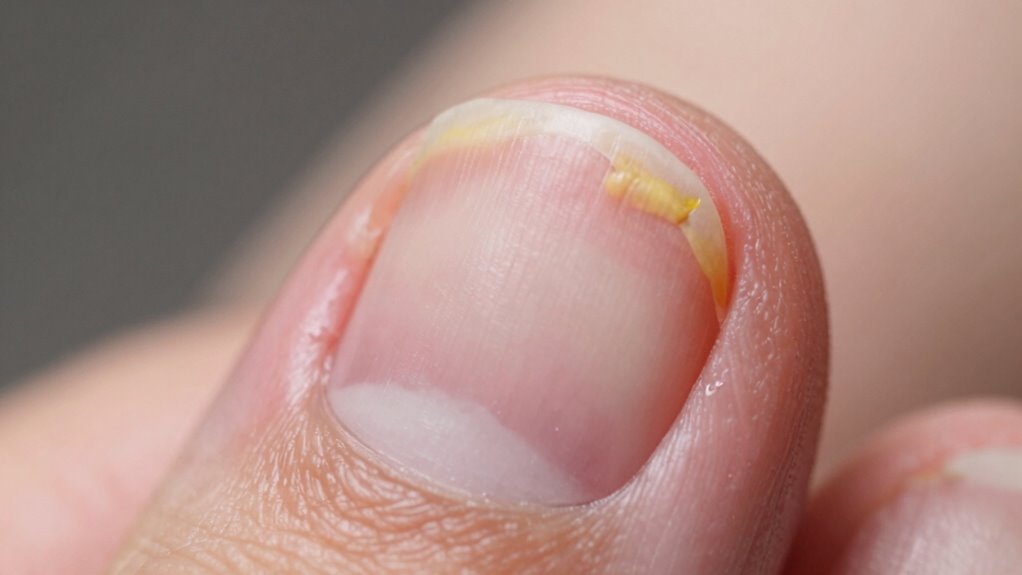
Knowing when to refer a nail issue to a professional instead of attempting a repair yourself can save you time, money, and potential complications. If you notice persistent or worsening problems with your nails, it’s a strong sign that professional intervention is needed. One of the most common issues that should prompt a referral is a nail infection. Nail infections, especially fungal ones, can be tricky to treat on your own, and trying to do so might make things worse. If your nail appears thickened, brittle, or crumbly, and you see signs of fungal discoloration—such as yellow, green, or brown hues—you should seek help from a healthcare provider. These symptoms often indicate a fungal infection that requires proper diagnosis and treatment.
Knowing when to see a professional for nail issues can prevent complications and ensure proper treatment.
Fungal discoloration isn’t just a cosmetic concern; it can also lead to discomfort and further damage if left untreated. You might notice your nails becoming cloudy or developing spots, which can be a sign that the infection has taken hold. When you see these changes, a professional can prescribe antifungal medications or recommend other treatments that are more effective than over-the-counter remedies. Attempting to fix a nail with fungal discoloration on your own may only prolong the problem or cause it to spread to other nails or skin. Additionally, understanding the importance of color accuracy in identifying nail health issues can help in early detection and prompt professional care. Recognizing emotional dysregulation symptoms or signs of underlying mental health issues may also be relevant in some cases, especially if nail biting or other compulsive behaviors are involved. Recognizing these underlying factors can be crucial for comprehensive treatment.
Another reason to refer your nail problem is if you notice pain, swelling, or pus around the nail bed. These symptoms suggest a bacterial infection or an abscess, which can worsen rapidly if not properly treated. Self-treatment in such cases can sometimes push infection deeper or cause additional trauma. Also, if your nail is showing signs of trauma, like a large bruise, or if you see separation from the nail bed, it’s best to get professional advice. These issues might indicate underlying damage that needs medical assessment to prevent long-term deformity or infection. Recognizing the importance of proper diagnosis can help ensure you receive the appropriate treatment early on.
Furthermore, being aware of sulfate-free options and other specialized formulations can be useful when dealing with certain nail or skin sensitivities that may complicate healing. If your nail changes are sudden or severe, or if you have underlying health conditions such as diabetes or immune system issues, you should see a healthcare professional promptly. These conditions can complicate nail infections and increase the risk of serious complications. Attempting DIY repairs or treatments without proper diagnosis can delay necessary care and lead to more serious problems down the line. Recognizing the importance of early intervention can significantly improve treatment outcomes and prevent complications. Being aware of the long-term consequences of untreated nail issues underscores the importance of consulting a professional when needed.
As an affiliate, we earn on qualifying purchases.
Frequently Asked Questions
Can Minor Nail Damage Still Require a Referral?
Yes, minor nail damage can still require a referral, especially if you notice issues like nail fungal infections or cuticle inflammation. Even small injuries that don’t seem serious might hide underlying problems. If you see persistent discoloration, swelling, or pain, it’s best to seek professional advice. A specialist can properly diagnose and treat issues like fungal infections or inflammation, preventing complications and ensuring your nail health improves.
How Long Should I Wait Before Seeking a Referral?
Waiting too long risks worsening your nail issue; seek a referral if problems persist beyond a week. Good nail hygiene and home remedies might help minor damage, but if pain, swelling, or discoloration develop, don’t hesitate. Recognize signs that indicate professional care is necessary. Acting promptly ensures your nail heals properly, preventing complications. Trust your instincts—timely referral can save you discomfort and more extensive treatments later on.
Are There Specific Signs Indicating a Nail Infection?
If you notice fungal symptoms like thickening, discoloration, or a foul smell, or bacterial indicators such as redness, swelling, and pus, it’s a sign you should see a healthcare professional. These signs suggest an infection that needs proper treatment. Don’t ignore persistent or worsening symptoms, as delaying care can lead to more serious issues. Seek a referral promptly to guarantee appropriate diagnosis and effective management.
What Are the Risks of Ignoring a Nail Problem?
Ignoring a nail problem can lead to serious risks like infections or permanent damage, especially if you’ve been using nail polish or neglecting hangnail care. If you notice persistent pain, swelling, or discoloration, don’t delay seeking professional help. Failing to address these issues might cause the infection to spread or worsen, making repairs more difficult. Always prioritize timely treatment to protect your nail health and avoid potential complications.
Who Should I Consult for Complex Nail Issues?
Sure, because who wouldn’t want a regular podiatrist or dermatologist to handle nail discoloration and deformities, right? For complex issues like persistent discoloration or unusual deformities, you should consult a specialist. Dermatologists are experts in skin and nail problems, while podiatrists focus on foot and nail health. They can diagnose underlying conditions, recommend advanced treatments, and guarantee your nails get the care they need, saving you from further complications.
As an affiliate, we earn on qualifying purchases.
Conclusion
Knowing when to refer a nail issue instead of trying to repair it is like reading the warning signs on a stormy sky—ignoring them can lead to bigger problems. If you notice persistent pain, unusual discoloration, or signs of infection, don’t ignore the storm brewing beneath the surface. Trust your instincts and seek professional help when needed. It’s better to weather a small storm now than face a hurricane later.
nail repair and healing products
As an affiliate, we earn on qualifying purchases.
As an affiliate, we earn on qualifying purchases.
professional nail fungus treatment
As an affiliate, we earn on qualifying purchases.
As an affiliate, we earn on qualifying purchases.
Fall Picks
fall essentials
As an affiliate, we earn on qualifying purchases.