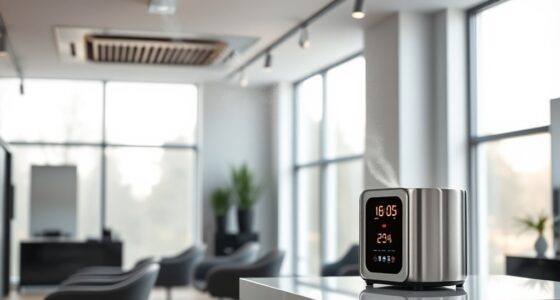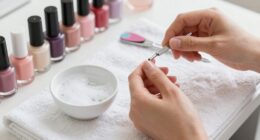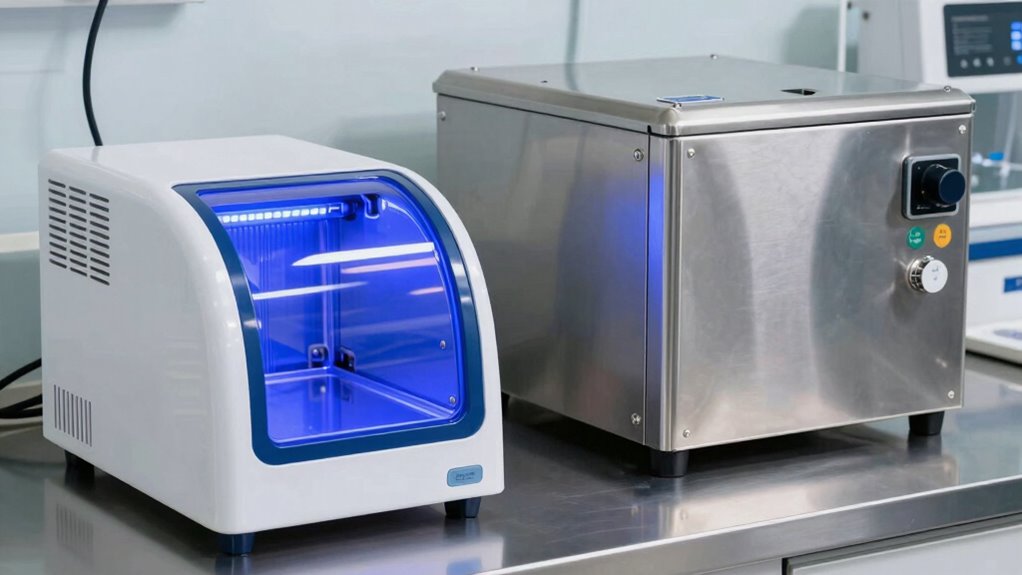

UV tool sterilizers quickly disinfect surfaces using ultraviolet light, but they don’t eliminate all microorganisms, especially spores or organisms hidden in crevices. True sterilization methods, like chemical sterilization, are more thorough and eliminate every microorganism, including spores. UV devices are convenient for small items and quick surface cleanup, but they don’t replace the reliability of complete sterilization. If you want to understand how these methods compare in detail, keep exploring the key differences.
Key Takeaways
- UV sterilizers inactivate many microorganisms but do not guarantee complete sterilization, especially against spores or in complex surfaces.
- True sterilization methods, such as chemical sterilization, aim to eliminate all microorganisms, including spores, for more thorough results.
- UV tools are portable and quick but limited by shadowing and surface geometry, reducing their overall effectiveness.
- Chemical sterilization provides comprehensive sterilization but is more time-consuming and requires careful handling.
- The choice depends on required sterilization level: UV for surface disinfection, chemical methods for full sterilization.
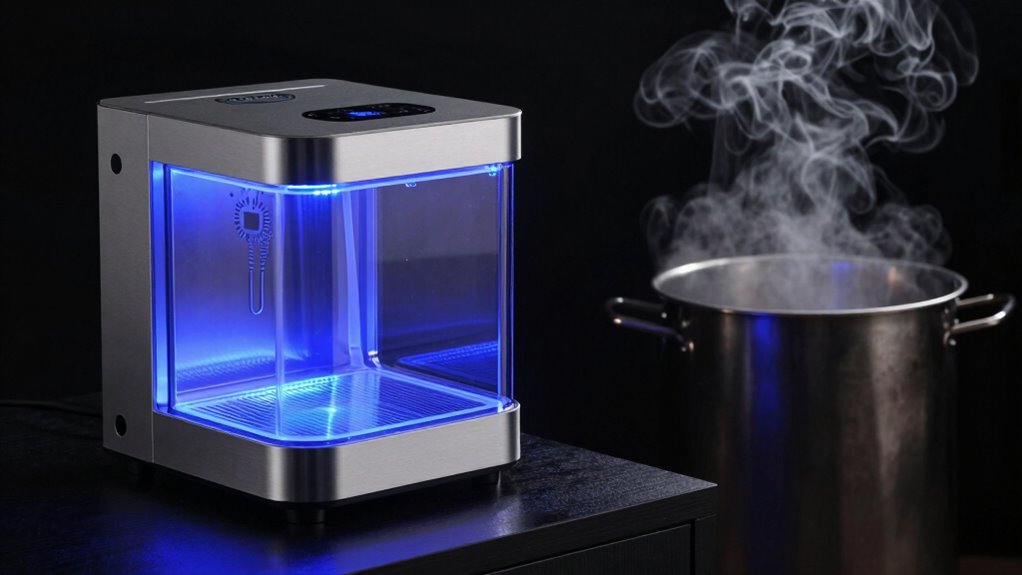
UV sterilizers are often marketed as effective solutions for disinfecting surfaces and water, but it’s essential to understand that they rely solely on ultraviolet light to inactivate microorganisms. While UV light can kill many bacteria and viruses, it doesn’t guarantee complete sterilization, especially if the UV rays don’t reach every surface or crevice. This limitation is vital to take into account, particularly when comparing UV sterilizers to true sterilization methods, which aim for complete elimination of all living microorganisms, including spores.
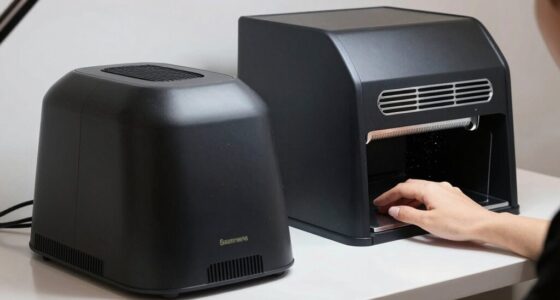
Many people turn to battery-powered devices for convenience, especially in portable sterilization tools. These devices are easy to carry and operate without cords, making them ideal for quick, on-the-go disinfection. However, their effectiveness still depends on proper usage and the exposure time to UV light. Battery-powered UV sterilizers can be useful for surface disinfection of small items like phones or keys, but they fall short when sterilizing complex surfaces or larger objects. They’re not designed to provide the rigorous sterilization achieved through more thorough methods. Recognizing the limitations of UV sterilization helps in making informed decisions about which method to use based on the required level of sterilization. Understanding the importance of comprehensive sterilization is crucial for ensuring safety in critical environments. Additionally, factors like the penetration capabilities of UV light influence its effectiveness, especially on uneven or shadowed surfaces.
When you compare UV sterilizers to chemical sterilization, it’s clear that UV devices are more about surface disinfection rather than true sterilization. They’re quick and convenient but can leave microorganisms behind if not used correctly or if the microorganisms are shielded from UV exposure. Chemical methods, while often more time-consuming and requiring careful handling, provide a more reliable assurance of sterilization, especially in environments where sterility is essential.
As an affiliate, we earn on qualifying purchases.
Frequently Asked Questions
Are UV Sterilizers Effective Against All Types of Bacteria and Viruses?
UV sterilizers are effective against many bacteria and viruses, thanks to their UV effectiveness, but they don’t eliminate all types. Some microorganisms can resist UV light or be shielded by material surfaces, affecting sterilization success. Material compatibility also matters; certain plastics or fabrics may degrade when exposed to UV radiation. So, while UV sterilizers are useful, they shouldn’t be solely relied upon for complete sterilization, especially for critical medical tools.
How Long Does True Sterilization Typically Take Compared to UV Sterilization?
True sterilization is like a marathon, taking longer than a quick sprint. It typically takes 30 minutes to several hours, depending on the method, to guarantee complete eradication of all microorganisms. UV effectiveness is faster, often just a few minutes, but might not achieve the same level of sterilization. So, if thorough sterilization is your goal, plan for the longer process; if speed matters, UV can be a quick fix.
Can UV Sterilizers Be Used on All Materials Safely?
UV sterilizers can be used on many materials safely, but you need to take into account material compatibility and UV exposure limits. Some plastics, fabrics, or sensitive surfaces might degrade or discolor with UV exposure, so always check manufacturer guidelines. For delicate or porous items, UV sterilization might not be effective or safe. Always test on a small area first and follow recommended exposure times to prevent damage.
What Are the Maintenance Requirements for True Sterilization Devices?
Ah, like a knight tending his armor, maintaining true sterilization devices demands regular attention. You need to follow strict cleaning protocols to prevent contamination, ensuring all surfaces and components are properly disinfected. Calibration procedures are equally essential; they keep the device functioning accurately. Regular inspections and servicing help catch wear and tear early, ensuring consistent sterilization effectiveness. Proper maintenance guarantees safety and compliance, much like a trusted steed ready for battle.
Are There Safety Concerns Associated With UV Sterilizer Use?
Yes, there are safety concerns with UV sterilizer use. You need to handle UV devices carefully to avoid skin and eye exposure, which can cause injuries. Proper user training is essential to guarantee safe operation, and you should also consider chemical safety if cleaning agents are involved. Always follow manufacturer guidelines, wear protective gear, and ensure no one is exposed to UV rays during operation to prevent health hazards.
chemical sterilization equipment
As an affiliate, we earn on qualifying purchases.
As an affiliate, we earn on qualifying purchases.
Conclusion
So, next time you’re tempted to rely solely on UV sterilizers, remember—they’re like a band-aid for your germs. True sterilization, with its thorough methods, is the real hero in the battle against bacteria. Don’t be fooled by shiny gadgets that promise miracles; sometimes, you need the heavy artillery, not just a flashlight. After all, if you’re gonna play the germ game, might as well go all in—because some microbes just don’t get UV’d away with a quick zap.
As an affiliate, we earn on qualifying purchases.
hospital-grade sterilization tools
As an affiliate, we earn on qualifying purchases.
As an affiliate, we earn on qualifying purchases.