To prevent skin exposure to nail monomers and gel products, always wear well-fitting nitrile gloves and barrier creams during applications. Maintain good ventilation with exhaust fans or open windows, and handle chemicals carefully to avoid spills. Store products securely and keep a first aid kit nearby for emergencies. After work, wash your hands thoroughly, use moisturizers, and monitor your skin for irritation. Continue exploring these safety steps to protect your skin effectively.
Key Takeaways
- Always wear nitrile gloves when handling nail monomers and gel products to prevent direct skin contact.
- Use barrier creams on skin around nails before applying chemicals for added protection.
- Ensure proper ventilation to disperse fumes and reduce skin irritation risks.
- Store chemicals securely and handle them carefully to prevent leaks and accidental exposure.
- Wash hands thoroughly and apply moisturizer after work to maintain skin health and monitor for irritations.
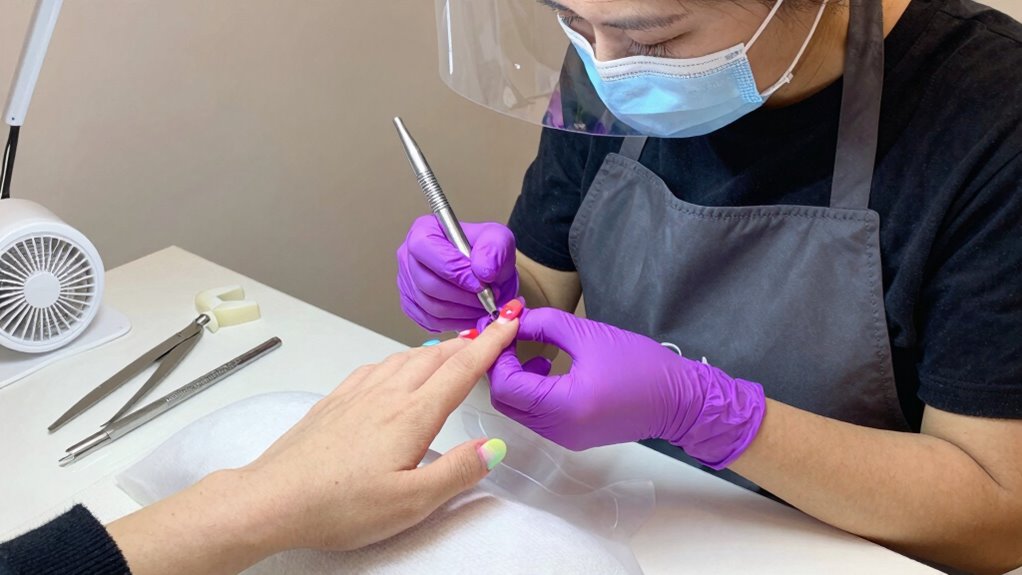
Nail technicians and enthusiasts need to be vigilant about skin exposure to nail monomers and gel products, as these substances can cause skin irritation, allergic reactions, or more severe health issues over time. Ensuring chemical safety isn’t just about following regulations; it’s about protecting your health with practical, everyday precautions. One of the most effective ways to minimize contact is by using protective barriers. These barriers, like nitrile gloves or silicone-based creams, act as a physical shield between your skin and potentially harmful chemicals.
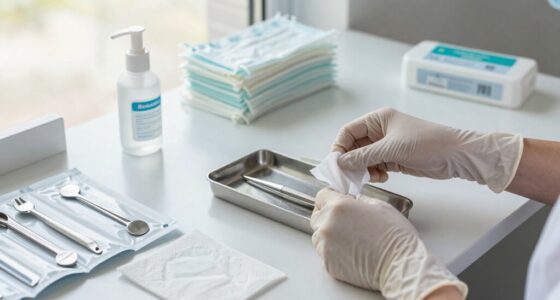
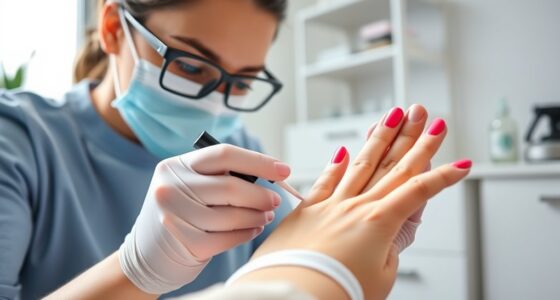
Protect your skin with nitrile gloves and barrier creams to prevent irritation from nail chemicals.
When applying gel polishes or working with monomers, always wear gloves designed for chemical work. Latex gloves might not provide adequate protection against certain nail chemicals, so opt for nitrile gloves, which resist punctures and chemical penetration better. Remember, gloves should fit well; loose gloves can cause accidental spills or tears, increasing your exposure risk. If you’re working on a client, encourage them to keep their hands protected as well, especially if they have sensitive skin or allergies.
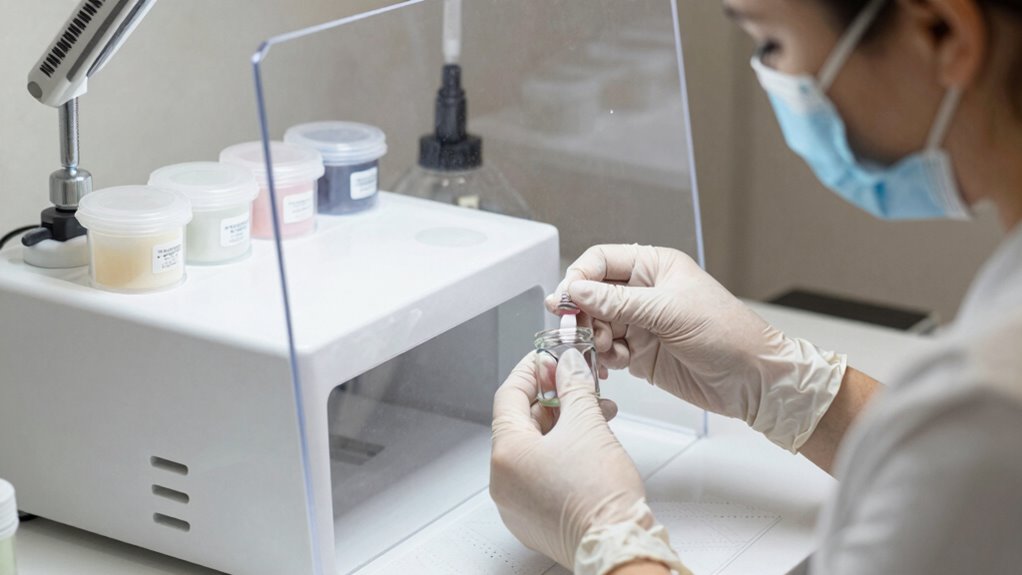
In addition to gloves, consider using protective creams or barrier liquids on the skin around the nails and cuticles before starting your work. These products form a thin film that prevents chemicals from penetrating the skin. They’re especially useful when you’re handling monomers or gel primers that are known to cause irritation. Regularly applying and reapplying these barriers can markedly reduce skin contact, particularly during lengthy or detailed procedures. Proper ventilation is another critical aspect of chemical safety. Keeping your work area well-ventilated helps disperse airborne particles and fumes that can irritate your skin or respiratory system. Use exhaust fans or open windows when possible, and consider investing in an air filtration system designed for nail salons. This not only protects your lungs but also diminishes the risk of chemicals settling on your skin or clothing, which can lead to inadvertent contact.
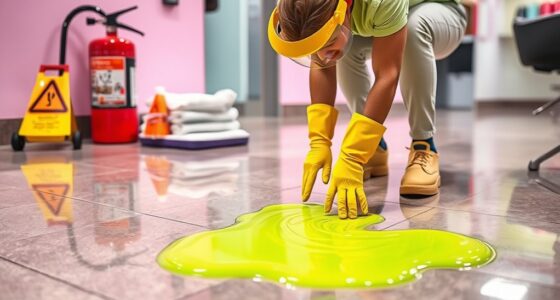
Recognizing proper handling and storage procedures for these chemicals is essential to prevent leaks or spills that could cause skin exposure, especially during transportation or when refilling supplies. Proper handling and storage also help prevent accidental chemical leaks, which can pose significant health risks. Additionally, understanding the proper handling and storage of these chemicals can further reduce risks, as improper storage can lead to leaks or spills. Chemical safety protocols are vital in minimizing accidental exposure and maintaining a secure working environment. It’s also beneficial to keep a well-stocked first aid kit nearby to quickly address any accidental skin contact. Lastly, practice good hygiene by thoroughly washing your hands immediately after completing your work, even if you’ve worn gloves or applied barriers. Use gentle, skin-friendly cleansers to remove any residual chemicals, and apply moisturizer afterward to support your skin’s barrier function. Regularly inspecting your skin for signs of irritation or allergic reactions allows you to catch issues early and seek medical advice if needed. By prioritizing chemical safety and consistently using protective barriers, you can substantially lower the risk of adverse health effects, maintaining both your well-being and professional standards.

SwiftGrip Pink Nitrile Gloves, 3-mil, Industrial Gloves Disposable Latex Free, for Cleaning & Esthetician, Rubber Powder-Free, 100-ct Box (Small)
PINK DISPOSABLE GLOVES: These 3-mil nitrile gloves are designed to protect your hands from grease, soil, and accidental…
As an affiliate, we earn on qualifying purchases.
As an affiliate, we earn on qualifying purchases.
Frequently Asked Questions
Are There Natural Alternatives to Chemical Nail Monomers?
Yes, natural alternatives to chemical nail monomers do exist. You can look for products made with natural ingredients and organic formulations, which minimize skin exposure and potential irritation. These options often use plant-based or non-toxic ingredients, making them safer for your skin and the environment. While they may not be as long-lasting or strong as traditional monomers, they provide a healthier choice for those seeking chemical-free nail enhancements.
How Long Does Skin Exposure to Nail Products Take to Cause Damage?
A brief brush with nail products might not cause immediate harm, but prolonged contact increases risks of chemical absorption and skin sensitivity. Even seconds of exposure can start irritating your skin, and over time, damage can accumulate. It’s wise to minimize skin contact, as consistent exposure—especially during extended manicures—can lead to noticeable sensitivity or allergic reactions. Always protect your skin to keep your nails healthy and your beauty routine safe.
Can Personal Protective Equipment Completely Eliminate Skin Contact Risks?
Proper glove usage and strict workplace safety protocols greatly reduce skin contact risks, but they can’t eliminate them entirely. You should always wear high-quality, appropriate gloves when handling nail products and change them frequently. Follow safety guidelines diligently, including proper disposal and cleanup procedures. While PPE greatly minimizes exposure, staying vigilant and adhering to safety standards is essential to protect your skin effectively from potential harm.
What Are the Signs of Allergic Reactions From Nail Products?
Imagine a client starts experiencing redness, swelling, or itching after a manicure—that’s a sign of allergic reactions from nail products. Common allergic symptoms include skin irritation, rash, or blistering around the nails or fingertips. You might notice persistent soreness or dermatitis that doesn’t improve. These signs indicate a possible allergy, prompting you to advise discontinuing use and seeking medical advice. Recognizing these symptoms early helps prevent further skin damage or complications.
How Should Accidental Skin Contact With Nail Monomers Be Treated?
If you experience accidental skin contact with nail monomers, start with first aid by washing the affected area immediately with soap and water to remove any residue. Avoid rubbing, as this can worsen skin irritation. Apply a cool compress to soothe discomfort and consider using over-the-counter hydrocortisone cream if irritation persists. If symptoms worsen or don’t improve, seek medical advice promptly to prevent further skin irritation or allergic reactions.

Gellen Liquid Latex for Nails, Peel Off Cuticle Guard for Nail Polish Skin Barrier Protector Nail Art Liquid Latex Tape for Manicure Home Salon 15ml Pink Cuticle Protectors Gifts for Women
【1 Pcs Pink Colored Gellen Nail Latex Tape Kits】:Gellen liquid latex for nails set includes 1 pink colored…
As an affiliate, we earn on qualifying purchases.
As an affiliate, we earn on qualifying purchases.
Conclusion
Remember, an ounce of prevention is worth a pound of cure. By wearing proper gloves, practicing good hygiene, and working in a well-ventilated area, you can protect your skin from harmful nail monomers and gel products. Staying cautious keeps you safe and healthy in the long run. Don’t wait until it’s too late—take proactive steps today. After all, a little prevention now can save you from a lot of trouble later.

180W 387m³/H Adjustable Fume Extractor with 5 Stage Filters Welding Soldering Smoke Purifier DTF Fume Extractors for Laser Marking Printing Engraving Nail Salon (Black)
【Professional-Grade High-Iodine Filter】- The main carbon filter is made with high-iodine coconut shell carbon, which is 2-3 times…
As an affiliate, we earn on qualifying purchases.
As an affiliate, we earn on qualifying purchases.
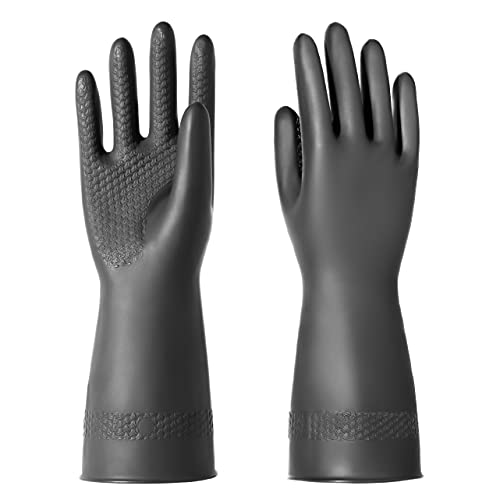
ROYAKI Chemical Resistant Gloves, Work Heavy Duty Industrial Rubber Gloves,12.2", 1 Pair Size Medium
Rubber has the advantages of elasticity, wear resistance, cold resistance, and air leakage.
As an affiliate, we earn on qualifying purchases.
As an affiliate, we earn on qualifying purchases.