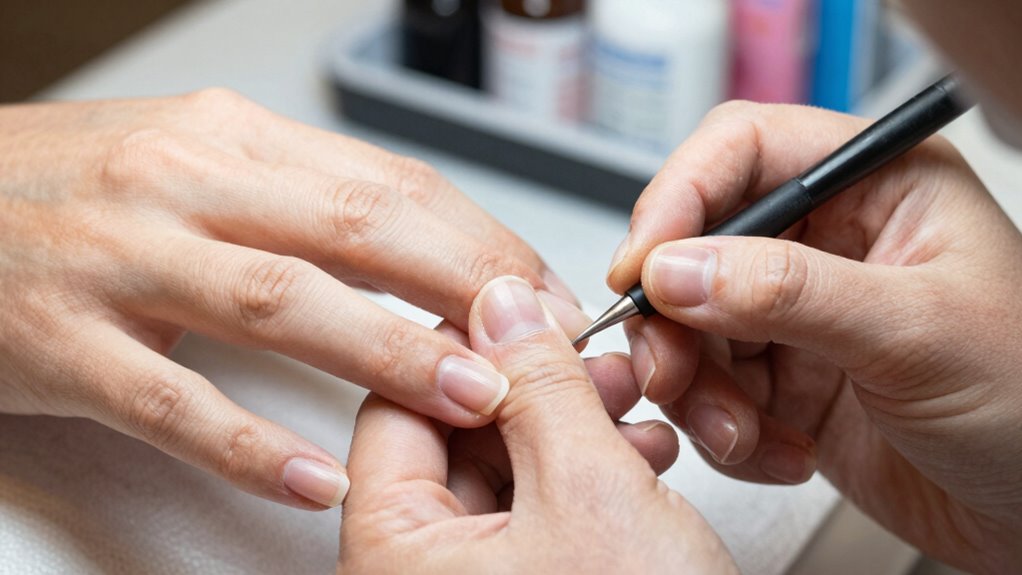

To screen clients safely for nail health concerns, ask about recent changes in nail color, any persistent discoloration, and signs of fungal infections like thickening or crumbling nails. Inquire about pain, discomfort, or recent trauma, and check their overall health, including immune or blood conditions. Ask about exposure to communal areas or tight footwear. These questions help identify potential issues early and determine if medical referral is needed—continue for more tips on thorough screening.

Get beauty and skincare favorites delivered free with Prime
- Fast, free delivery on millions of items
- Prime Video, Amazon Music and more included
- Member-only deals all year
Key Takeaways
- Ask about recent changes in nail color, texture, or thickness to identify potential infections or underlying conditions.
- Inquire about pain, sensitivity, or trauma to distinguish between injury and infection.
- Review the client’s overall health, including immune or chronic conditions, and medication use that may affect nail health.
- Assess exposure to communal environments, footwear habits, and previous nail issues to evaluate risk factors.
- Use screening questions to detect signs requiring medical referral and ensure safe, personalized nail care.

When addressing nail health concerns, asking the right screening questions is essential to guarantee client safety and effective treatment. Nail discoloration can be a sign of various issues, from minor trauma to more serious conditions like fungal infections. By carefully inquiring about the appearance of the nails, you can identify potential problems early on. Ask your client if they’ve noticed any changes in color, such as yellowing, browning, or dark streaks. Discoloration can indicate fungal infections, especially if accompanied by thickening or crumbling of the nail. Understanding whether the discoloration is persistent or fluctuates helps determine if further medical evaluation is necessary.
Ask clients about nail color changes and fluctuations to identify potential issues early and determine if medical evaluation is needed.
It’s equally important to ask about any pain, discomfort, or sensitivity associated with the nails. Fungal infections often cause the nails to become thickened, brittle, or distorted, sometimes accompanied by a foul odor. If your client reports pain or discomfort, it could indicate a more advanced or complicated fungal infection or other underlying issues. Inquire about their history of nail trauma, as injuries can lead to discoloration or changes that mimic fungal infections, but are not caused by fungi. Knowing if the nail damage is recent or chronic helps differentiate between trauma-related issues and infections.
Next, you should ask about the client’s overall health and any recent illnesses or medications. Conditions like diabetes and immune system disorders increase the risk of fungal infections and other nail problems. If your client is immunocompromised, they may be more prone to persistent or resistant fungal infections, requiring referral for medical treatment. Also, check if they’ve used any topical or oral medications recently, as some treatments can affect nail health or mask symptoms. Understanding their medication history helps you tailor your approach and determine if a medical consultation is needed before proceeding with cosmetic procedures. Nail health concerns can sometimes be linked to underlying health issues, making this an important area to explore.
Finally, ask about their personal habits and exposure risks. Do they frequently use communal showers, swim in pools, or wear tight shoes? These habits can facilitate fungal growth and increase the likelihood of nail infections. If they have a history of fungal infections or nail discoloration, ask if they’ve tried any treatments or home remedies. This insight can guide your treatment plan and help you avoid interventions that might worsen the condition. By asking these targeted questions, you ensure you gather a comprehensive picture of your client’s nail health, allowing you to provide safe, effective care while recognizing when a medical referral is necessary.
As an affiliate, we earn on qualifying purchases.
Frequently Asked Questions
How Often Should Clients Undergo Nail Health Screenings?
You should have clients undergo nail health screenings every six months to maintain proper nail hygiene and prevent infections. Regular checkups help identify early signs of issues like fungal infections or nail damage. By doing so, you improve infection prevention and guarantee your clients’ nails stay healthy. Encourage clients to report any discomfort or changes between visits, which can prompt earlier intervention and better overall nail health management.
Are There Specific Questions for Allergic Reactions?
Think of allergic reactions like sudden storms—unexpected but manageable. Ask your clients if they’ve experienced allergic triggers like swelling, redness, or itching around their nails or skin before. Inquire about reaction symptoms such as blistering, hives, or difficulty breathing. These questions help you spot warning signs early. By paying close attention to their responses, you can help prevent a flare-up and keep their nail health safe and beautiful.
What Are Signs of Underlying Health Issues Visible in Nails?
You can identify underlying health issues in nails by observing nail pigmentation changes, such as dark streaks or white spots, which may signal health concerns. Also, look for cuticle abnormalities like inflammation, redness, or ridges, as these can indicate nutritional deficiencies or autoimmune conditions. If you notice any of these signs, it’s important to advise clients to see a healthcare professional for proper diagnosis and treatment.
How Do Screening Questions Vary for Different Age Groups?
Ever wonder how screening questions adapt across ages? You should tailor assessments based on age-appropriate considerations and developmental stages. For children, focus on growth patterns and signs of nutritional deficiencies, while for seniors, consider issues related to circulation or chronic conditions. By adjusting questions to suit age groups, you guarantee you’re capturing relevant nail health concerns accurately, making your screening more effective and personalized for each client’s unique needs.
Should Clients Disclose Medication Use During Screenings?
Yes, you should encourage clients to disclose medication use during screenings. Medication disclosure helps you identify potential risks, especially if certain drugs increase nail sensitivity or cause allergic reactions. Be sure to ask allergic reaction questions to catch any sensitivities. Knowing about their medications allows you to tailor services safely and avoid complications, ensuring a healthier experience for your clients and reducing the chance of adverse reactions.
As an affiliate, we earn on qualifying purchases.
Conclusion
By asking these screening questions, you’re like a skilled navigator guiding your clients safely through their nail health journey. You can spot potential issues early and tailor your treatments effectively. Remember, thorough screening is the foundation of trust and safety, much like a lighthouse guiding ships away from danger. Stay attentive, ask with care, and make certain your clients feel confident in your expertise. Your proactive approach makes all the difference in promoting healthy, beautiful nails.
As an affiliate, we earn on qualifying purchases.
nail repair and strengthening polish
As an affiliate, we earn on qualifying purchases.
As an affiliate, we earn on qualifying purchases.
Fall Picks
fall essentials
As an affiliate, we earn on qualifying purchases.