
After menopause, you should focus on strengthening and hydrating your nails by using keratin or biotin-based nail strengtheners and applying nourishing oils regularly. Protect your nails from damage by wearing gloves and avoid harsh chemicals or excessive filing. Maintain a healthy diet rich in vitamins A, C, E, zinc, and omega-3s, along with staying hydrated. Good nail hygiene and lifestyle habits are essential for resilience. Keep going to discover more about boosting your nail health during this phase.

Get beauty and skincare favorites delivered free with Prime
- Fast, free delivery on millions of items
- Prime Video, Amazon Music and more included
- Member-only deals all year
Key Takeaways
- Incorporate nail strengtheners with keratin, biotin, or calcium to combat brittleness post-menopause.
- Regularly hydrate nails and cuticles with nourishing oils and creams to prevent dryness.
- Maintain a balanced diet rich in vitamins A, C, E, zinc, and omega-3s to support overall nail health.
- Practice gentle nail hygiene, avoiding harsh chemicals and cuticle cutting to prevent infections.
- Manage stress and engage in outdoor activities to promote overall health and stronger nails.
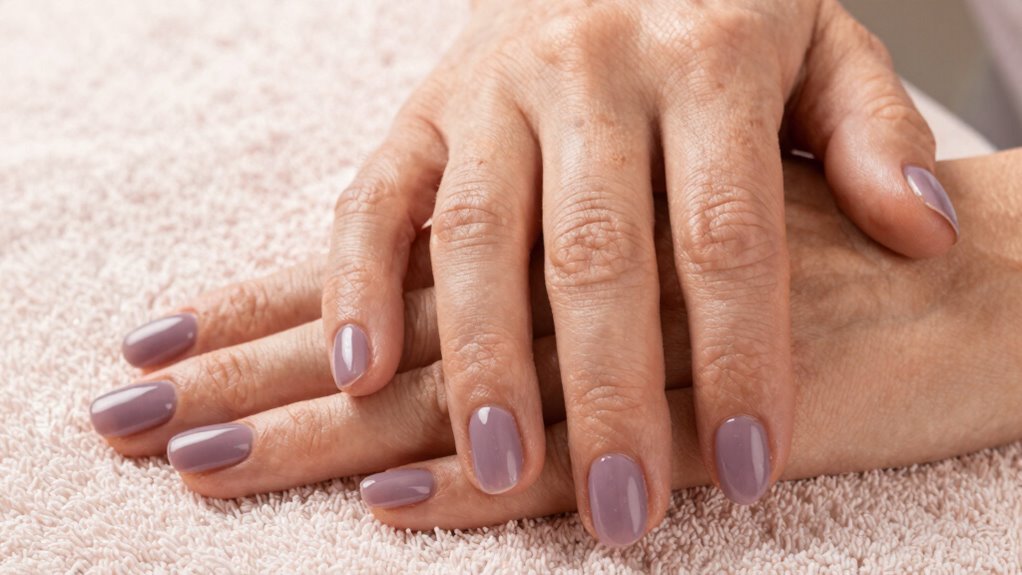
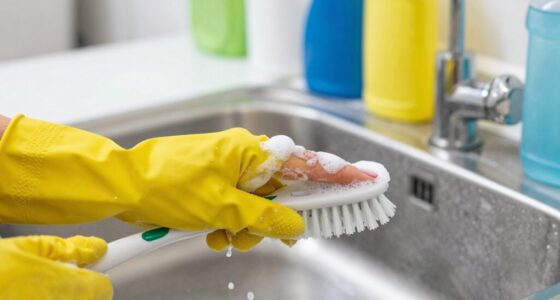
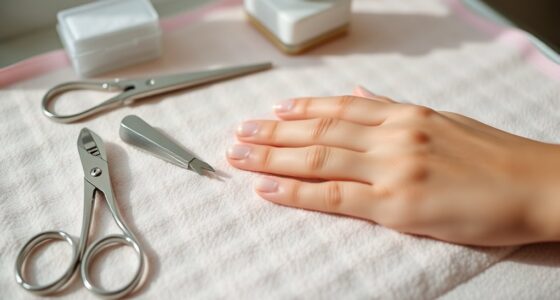
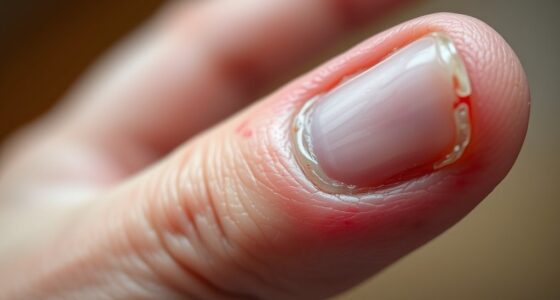
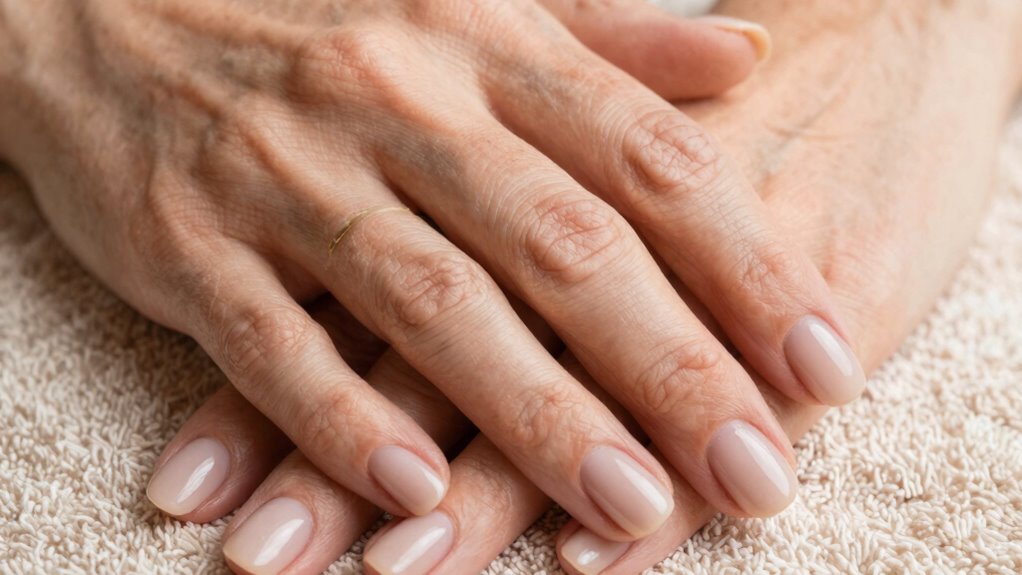
After menopause, your body undergoes hormonal changes that can affect nail health, making it essential to adjust your nail care routine. During this time, you’ll notice your nails becoming more brittle, prone to splitting, or lacking the strength they once had. To combat these issues, focusing on nail strengthening techniques becomes critical. Start by incorporating nail strengtheners into your routine—look for products containing keratin, biotin, or calcium, which can help rebuild and fortify your nails. Avoid using harsh chemicals or excessive filing, as these can weaken your nails further. Instead, opt for gentle buffing and trimming to maintain their shape and prevent breakage. Protecting your nails from external damage is equally important, so consider wearing gloves when doing household chores or gardening. Incorporating outdoor activities into your routine can also promote overall well-being, which benefits nail health. Moisturizing tips are equally essential after menopause, as decreased estrogen levels can lead to dry, brittle nails and cuticles. Regularly applying a nourishing cuticle oil or thick hand cream helps lock in moisture and keeps your nails flexible. Pay special attention to the cuticles, gently pushing them back without cutting, to promote healthy nail growth. Hydration also plays a key role—drink plenty of water daily to support overall nail health from the inside out. Additionally, using a humidifier at home helps maintain the moisture levels in the air, preventing your nails from drying out further. Ensuring a balanced diet rich in nutrients can also make a significant difference in strengthening your nails over time. Maintaining proper nail hygiene can help prevent infections and other complications. In addition to topical care, consider adding dietary supplements like biotin or omega-3 fatty acids to your routine, as these can support stronger, healthier nails. Consuming foods rich in vitamins A, C, E, and zinc also promotes nail vitality. Be mindful of your overall health—poor nutrition and stress can further weaken nails. Taking care of your body translates directly into better nail health, so keep a balanced diet and manage stress levels as part of your routine. Regularly checking your nails for signs of infection or fungal issues is also important, especially since hormonal changes can sometimes make you more susceptible to such problems. Incorporating proper nail care habits can significantly reduce the risk of nail issues during this transitional phase.
As an affiliate, we earn on qualifying purchases.
Frequently Asked Questions
Can Menopause Cause Permanent Nail Damage?
Menopause can cause some nail changes, but it doesn’t usually lead to permanent damage. You might notice nail pigmentation shifts or texture changes, such as ridges or brittleness, due to hormonal fluctuations. These changes are often temporary and improve with proper care. To protect your nails, keep them moisturized, avoid harsh chemicals, and maintain a balanced diet. If changes persist or worsen, consult a healthcare professional for personalized advice.
Are There Specific Vitamins Recommended for Postmenopausal Nail Health?
Yes, certain dietary supplements help boost postmenopausal nail health. You should consider taking biotin, which promotes nail strengthening, along with vitamins like B-complex, vitamin D, and zinc. These nutrients support overall nail strength and resilience. Incorporating these supplements into your routine can help improve nail quality, reduce brittleness, and maintain healthy, strong nails as you age. Always consult your healthcare provider before starting new supplements.
How Often Should I Get Professional Nail Treatments After Menopause?
You should get professional nail treatments every 2 to 4 weeks, depending on your nail health and growth rate. Stay updated on nail polish trends to choose healthier formulas, like those free from harmful chemicals. Remember manicure safety tips: avoid aggressive buffing and always moisturize your cuticles. Regular visits help maintain strength and prevent damage, especially as your nails change postmenopause.
Do Hormonal Changes Affect Nail Growth Speed?
Hormonal fluctuations during menopause do affect your nail growth rate, often causing nails to grow more slowly or become brittle. You might notice changes in thickness or strength, too. To support healthy nails, keep them moisturized, maintain a balanced diet rich in vitamins, and avoid harsh chemicals. Regularly applying nourishing oils can also promote resilience. By understanding these changes, you can adapt your nail care routine for better health and appearance.
Can Menopause-Related Medications Impact Nail Strength?
Menopause-related medications can impact your nail strength through hormone fluctuations and medication side effects. Some medications may cause dryness or brittleness, making nails more prone to breakage. You might notice your nails becoming weaker or more brittle over time. To combat this, guarantee you use nourishing cuticle oils, moisturize regularly, and consider supplements like biotin. Always discuss these changes with your healthcare provider to find the best strategies for maintaining strong, healthy nails.
As an affiliate, we earn on qualifying purchases.
Conclusion
After menopause, your nails may become more brittle and prone to damage. Adjusting your routine by moisturizing regularly and avoiding harsh chemicals can make a big difference. For example, Sarah noticed her nails breaking easily, so she started using a nourishing cuticle oil daily. Within weeks, her nails felt stronger and healthier. Remember, small changes can have a big impact—so stay attentive to your nails’ needs and give them the care they deserve to stay strong and beautiful.
As an affiliate, we earn on qualifying purchases.
As an affiliate, we earn on qualifying purchases.
Halloween Picks
halloween
As an affiliate, we earn on qualifying purchases.