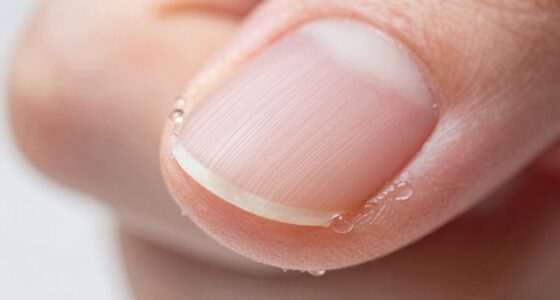

When nail cracks travel downward, it’s often caused by ongoing damage from environmental factors like water, chemicals, and temperature changes that weaken the keratin structure. Poor nail health and nutritional deficiencies make nails more prone to cracks, which can extend over time. Continuous stress and lack of protection accelerate this damage, leading to deeper cracks. If you keep caring for your nails properly, you’ll understand how to prevent this progression and protect your nail health more effectively.

Get beauty and skincare favorites delivered free — and shop member deals
- Fast, free delivery on millions of items
- Access to Prime Big Deal Days deals on October 6–7
- Prime Video, Amazon Music and more included
Key Takeaways
- Downward cracks indicate deeper damage affecting the nail’s keratin structure and integrity.
- Environmental stressors like water, chemicals, and temperature changes weaken nails, promoting crack progression.
- Nutritional deficiencies reduce nail strength, making cracks more likely to extend downward.
- Repeated trauma or damage causes cracks to travel as the weakness spreads through the nail.
- Lack of proper nail protection accelerates crack spread, compromising overall nail health.
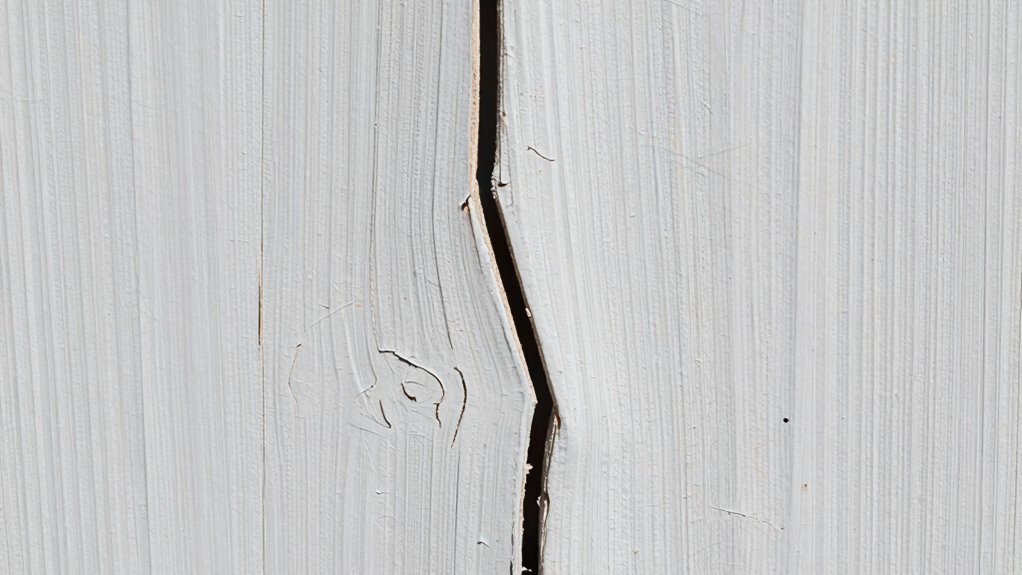
When you notice a crack running down your nail, it often signals underlying damage or stress that needs attention. Nail cracks that travel downward usually indicate more than just surface issues; they can reflect deeper concerns about your nail health and the impact of environmental factors. Understanding what causes these cracks to extend can help you take better care of your nails and prevent further damage.
Downward nail cracks reveal deeper damage and environmental stress impacting your nail health.
Nail health plays a crucial role in how your nails respond to stress. When your nails are weak or brittle, they’re more prone to cracking and splitting. This fragility can stem from nutritional deficiencies, dehydration, or underlying health conditions. For example, a lack of biotin or iron can weaken the keratin structure of your nails, making them more susceptible to cracks that run deep and extend downward. If your nails are already compromised, even minor daily activities—such as typing or opening packages—can cause small cracks that gradually travel further down the nail. Recognizing how nutritional deficiencies impact nail strength can help guide you in making dietary adjustments for healthier nails. Additionally, poor nail care routines can exacerbate these issues, leading to more frequent or severe cracks.
Environmental factors are also significant contributors to downward nail cracks. Exposure to harsh chemicals, frequent contact with water, or extreme temperature changes can weaken the nail’s structure. For instance, prolonged immersion in water causes the keratin to swell and become soft, making nails more vulnerable to cracks that extend downward. Similarly, exposure to cleaning agents and solvents without proper protection can strip away natural oils, leading to dry, brittle nails prone to cracking. Cold weather can cause the nail bed to contract and become brittle, increasing the likelihood of cracks that travel downward. Additionally, excessive use of nail products like acrylics or gels can weaken the nail plate, creating fragile areas that are more susceptible to cracks that travel beneath the surface. Recognizing that nail health and environmental stressors can significantly affect visual outcomes can also help in understanding how visual cues influence your perception of nail health.
When environmental factors and poor nail health combine, the risk of cracks traveling downward increases. For example, if you frequently expose your nails to water and harsh chemicals without wearing gloves, you’re creating a perfect storm for damage. Over time, these stresses cause the keratin fibers within your nails to break down, resulting in cracks that extend deeper into the nail bed. Once a crack begins to travel downward, it can compromise the overall strength of your nail, making it even more prone to further damage. Proper nail care and protection are essential in preventing the progression of these cracks and maintaining overall nail strength. Regularly assessing and adjusting your nail care habits can also help prevent these issues from worsening over time.
biotin supplements for nail strength
As an affiliate, we earn on qualifying purchases.
As an affiliate, we earn on qualifying purchases.
Frequently Asked Questions
Can Nail Cracks Heal on Their Own Without Treatment?
Nail cracks can sometimes heal on their own if you keep your nails healthy. You should avoid nail polish that might weaken your nails further. Instead, apply a moisturizing lotion regularly to keep your nails and cuticles hydrated. Be gentle when caring for your nails and avoid biting or picking at cracks. If cracks worsen or persist, consider seeing a dermatologist for proper treatment to prevent further damage.
Do Nail Cracks Indicate Underlying Health Issues?
Nail cracks can sometimes indicate underlying health issues, like nutritional deficiencies or nail fungus. If you notice persistent cracks, it’s wise to check for these problems, as they can weaken your nails and cause cracks to travel downward. Addressing nutritional gaps or treating nail fungus can improve nail health. Don’t ignore ongoing issues—consult a healthcare professional to identify and treat any underlying conditions that might be affecting your nails.
How Long Does It Take for a Crack to Travel Downward?
A crack in your nail can take weeks to months to travel downward, depending on nail health. To slow this process, focus on nail strengthening and maintaining moisture balance. Keep your nails moisturized and avoid harsh chemicals. Strengthening treatments can help reinforce the nail structure, reducing the chance of cracks spreading. Regular care and patience are essential to prevent cracks from deepening and traveling further down your nails.
Are Certain Nail Types More Prone to Cracks?
Certain nail types are more prone to cracks, much like brittle leaves easily break in a breeze. Thin, weak nails with low nail strength tend to crack more often, especially when exposed to harsh nail polish formulas or frequent manicures. If your nails are naturally fragile or brittle, you should focus on strengthening them with nourishing treatments. Regularly maintaining your nails can help prevent cracks from forming and spreading downward.
What Home Remedies Can Prevent Nail Cracks From Worsening?
To prevent nail cracks from worsening, you should use natural oils like coconut or olive oil to moisturize your nails regularly. Make dietary changes by increasing your intake of biotin-rich foods, such as eggs, nuts, and leafy greens, to strengthen your nails from within. Additionally, avoid harsh chemicals and keep your nails trimmed and filed smoothly. These simple home remedies help maintain nail health and prevent cracks from deepening or spreading downward.
nail repair treatment for cracks
As an affiliate, we earn on qualifying purchases.
As an affiliate, we earn on qualifying purchases.
Conclusion
So, now you know that nail cracks tend to travel downward because of the way stress, dehydration, or damage weaken the nail’s structure. Keep your nails healthy by moisturizing, avoiding harsh chemicals, and trimming regularly. Remember, a crack that starts small can quickly become a bigger problem if you ignore it—sometimes, it’s better to nip issues in the bud before they get out of hand. Stay vigilant, and don’t let problems snowball on you.
nail protection gloves for chemical exposure
As an affiliate, we earn on qualifying purchases.
As an affiliate, we earn on qualifying purchases.
As an affiliate, we earn on qualifying purchases.
Halloween Picks
halloween
As an affiliate, we earn on qualifying purchases.