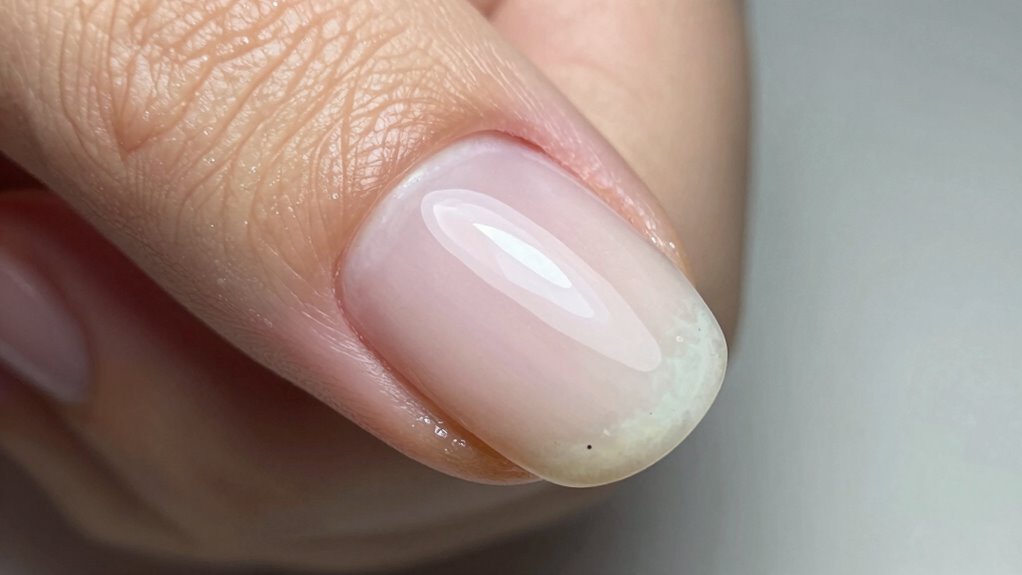

Understanding nail surface chemistry helps you choose the right products and techniques for better results. Your nails have layers made of keratin, and their surface can be uneven or damaged, affecting how polish adheres. Proper prep — like cleaning, dehydrating, and buffing — creates a smooth base, increasing durability and preventing chipping. When you respect your nails’ chemistry, you protect their health and make your manicure last longer. Keep going to discover more about making your nails even healthier.

Get beauty and skincare favorites delivered free with Prime
- Fast, free delivery on millions of items
- Prime Video, Amazon Music and more included
- Member-only deals all year
Key Takeaways
- Proper nail prep enhances product adhesion by addressing surface chemistry and removing oils and debris.
- Understanding nail composition helps tailor prep techniques to improve polish durability.
- Controlling cuticle permeability prevents infections and promotes healthier, longer-lasting manicures.
- Light buffing creates a smooth surface, ensuring better polish application and reducing chipping.
- Neglecting nail chemistry can cause peeling, chipping, and damage, compromising nail health and manicure longevity.
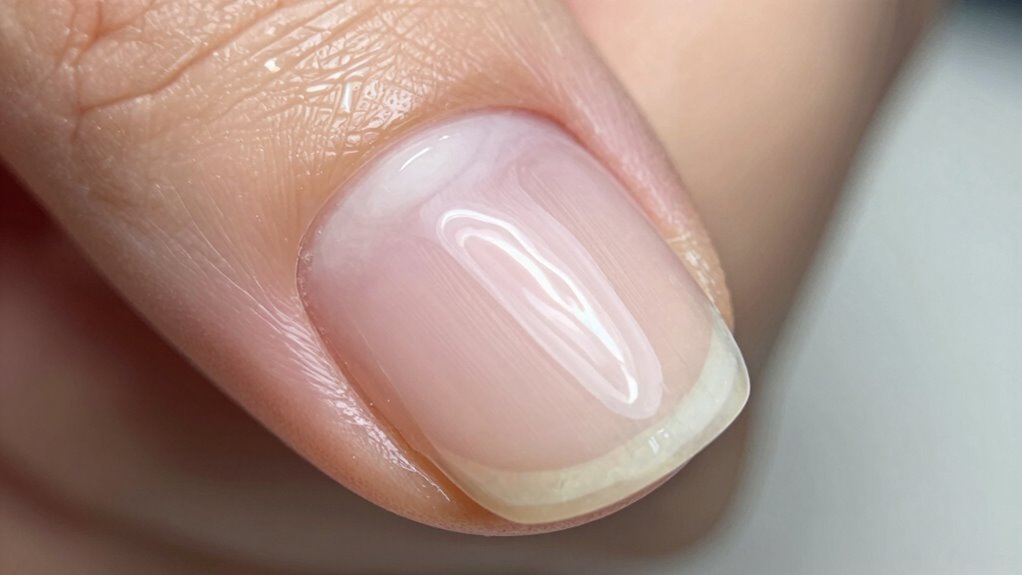
Understanding the chemistry of your nail surface is crucial for achieving better nail care and lasting polish results. Your nails aren’t just a simple barrier; they’re a complex structure made up of layers that influence how products adhere and how your nails grow. Two critical factors in this chemistry are cuticle permeability and nail plate composition. Recognizing how these elements interact helps you understand why proper prep is indispensable before applying polish or treatments.
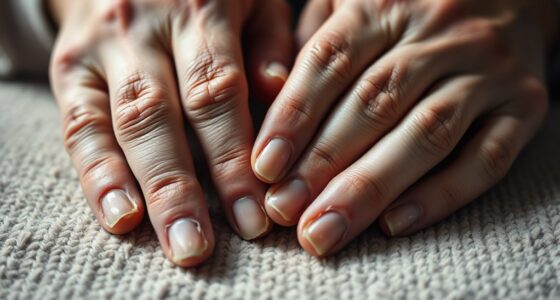
Cuticle permeability refers to how easily substances can penetrate the cuticle and reach the nail bed. When the cuticle is intact and healthy, it acts as a barrier, preventing moisture loss and limiting the entry of contaminants. However, if the cuticle is damaged or overly dry, permeability increases, making your nails more vulnerable to infection, peeling, or lifting of polish. That’s why gentle cuticle care and proper hydration matter. When you soften or push back your cuticles correctly, you’re not just making space for polish but also controlling how substances penetrate your nail surface. This ensures your nails stay healthier and your manicure lasts longer. Additionally, understanding your nail’s surface chemistry can help you select the most effective products and techniques for optimal results.
Healthy cuticles act as a barrier, protecting nails and extending polish wear. Proper care controls permeability for healthier nails.
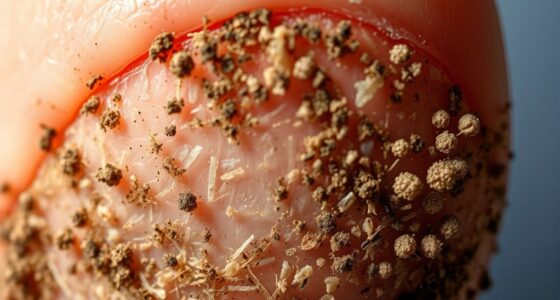
Nail plate composition also plays a significant role in how your nails respond to treatments. The nail plate is primarily made of keratin, a tough protein that forms multiple layers. These layers vary in density and thickness across different parts of your nails, influencing how products adhere. A well-maintained nail plate with a smooth surface allows polish to bond effectively, leading to longer-lasting results. Conversely, a damaged or uneven nail plate, often caused by overexposure to harsh chemicals or improper prep, can cause peeling or chipping. Understanding your nail’s composition helps you choose the right prep steps—such as light buffing or using a dehydrator—to create a surface that promotes better adhesion.
When you neglect to consider these factors, you risk poor polish application and reduced wear time. Proper prep involves cleaning, dehydrating, and sometimes lightly buffing the nail surface to remove oils and create a consistent base. This process respects the chemistry of your nails, ensuring that your polish not only looks good initially but also stays intact longer. Recognizing how cuticle permeability and nail plate composition influence your nail health underscores the importance of gentle, informed prep routines. It’s not just about aesthetics; it’s about understanding your nails’ chemistry to optimize every aspect of your nail care routine.
As an affiliate, we earn on qualifying purchases.
Frequently Asked Questions
How Does Nail Surface Chemistry Affect Polish Longevity?
Your nail surface chemistry directly impacts polish longevity through its texture and chemical bonding mechanisms. A smooth, well-prepared surface allows the polish to adhere better, creating stronger bonds. If your nails have uneven texture or oils, it weakens these bonds, causing chipping or peeling. Proper nail prep ensures the best chemical bonding mechanisms, resulting in longer-lasting polish that resists daily wear and tear.
Can Nail Surface Chemistry Change Over Time?
Yes, nail surface chemistry can change over time. Increased nail porosity makes your nails more absorbent, while oil interference can weaken polish adhesion. Factors like aging, environmental exposure, and nail damage can alter these properties. As a result, your nails might become more prone to chipping or peeling. To maintain a flawless manicure, it’s essential to regularly prep your nails, addressing porosity and removing oils for ideal polish longevity.
What Role Does pH Play in Nail Prep?
Think of pH as the unsung hero of nail prep—its balance is essential. You might find it ironic that a tiny shift in surface acidity can make or break your manicure’s longevity. When pH is just right, the nail surface becomes more receptive, ensuring better adhesion. Too acidic or alkaline, and your nails resist the product, leading to lifting or peeling. Maintaining proper pH balance is key for a flawless finish.
Are There Specific Chemicals That Improve Nail Adhesion?
Yes, specific chemicals can boost nail adhesion. For instance, primers containing methacrylic acid or acid-based adhesives help create a strong bond. Proper cuticle removal exposes the nail surface, enhancing adhesion, while applying nail oiling afterward keeps the area healthy and prevents lifting. Using these chemicals and techniques together guarantees better adhesion and longer-lasting manicures, giving your work a professional, durable finish.
How Do Nail Surface Conditions Impact Gel vs. Regular Polish?
Your nail surface conditions markedly impact gel versus regular polish application. If your nails have a rough texture or excess surface oils, gel polish may not adhere properly, leading to chipping or lifting. Regular polish can sometimes hide minor imperfections better, but proper prep is still essential. To guarantee a smooth finish, you should buff rough areas and remove oils thoroughly before applying either type of polish.
As an affiliate, we earn on qualifying purchases.
Conclusion
Understanding your nail surface chemistry is essential because neglecting proper prep can turn your manicure into a disaster faster than you can say “chipping.” When you take the time to properly prep, you’re not just extending the life of your polish—you’re creating a barrier as strong as steel, preventing damage and ensuring a flawless finish that lasts. Remember, a well-prepped nail isn’t just beautiful; it’s a fortress against the chaos of everyday wear.
As an affiliate, we earn on qualifying purchases.
As an affiliate, we earn on qualifying purchases.
Halloween Picks
halloween
As an affiliate, we earn on qualifying purchases.