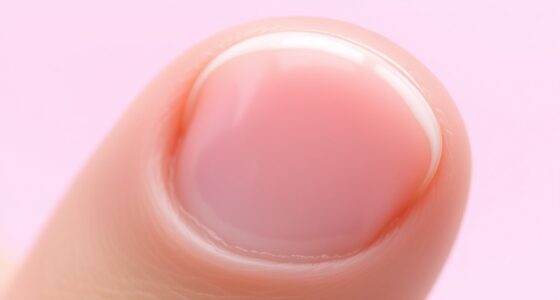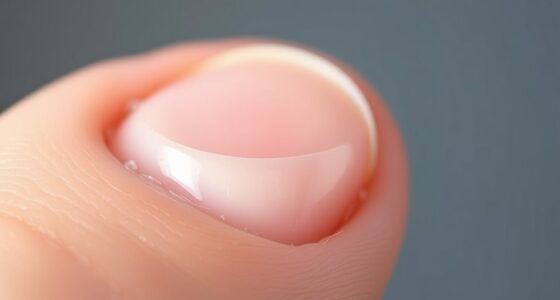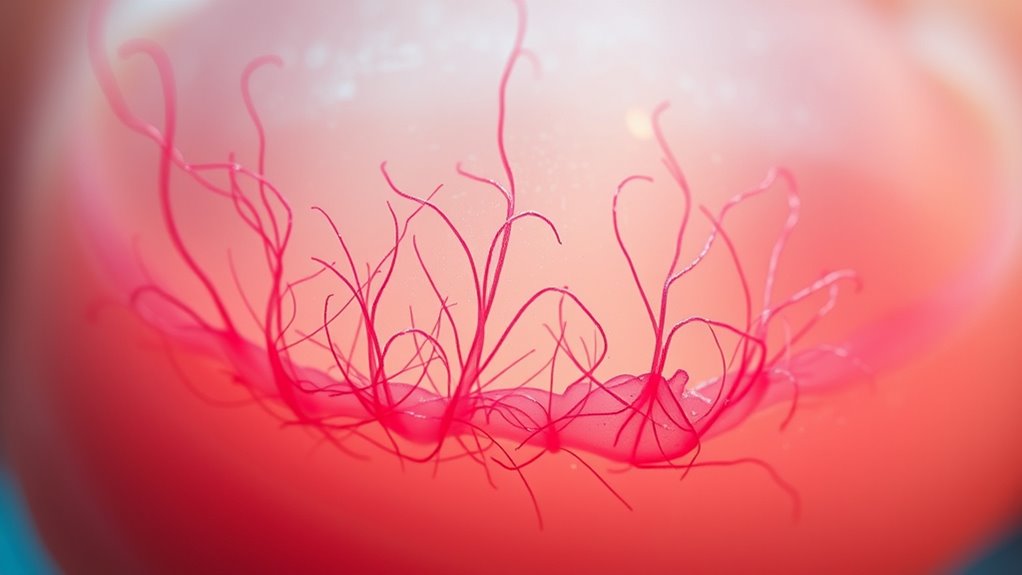

Inside your nail matrix, specialized cells rapidly divide and produce keratin, forming the new nail tissue. These cells push upward as they mature, creating the hard nail plate you see on your fingertips. Proper function of this growth zone is essential for healthy nails, and factors like nutrition, trauma, or infections can affect it. Staying aware of how your nails grow can help you keep them strong and beautiful—if you continue exploring, you’ll find out how to optimize their health.
Key Takeaways
- The nail matrix, located beneath the cuticle, produces new keratinized cells responsible for nail growth.
- Rapid cell division in the nail matrix generates new nail cells that push outward, forming the nail plate.
- Keratinization fills these cells with keratin, causing them to lose nuclei before becoming part of the hard nail.
- Damage or dysfunction in the nail matrix can lead to ridges, deformities, or slowed growth.
- Proper care of the nail matrix ensures healthy, steady nail growth and prevents various nail disorders.
Top picks for "nail inside matrix"
Open Amazon search results for this keyword.
As an affiliate, we earn on qualifying purchases.
The Anatomy of the Nail Unit
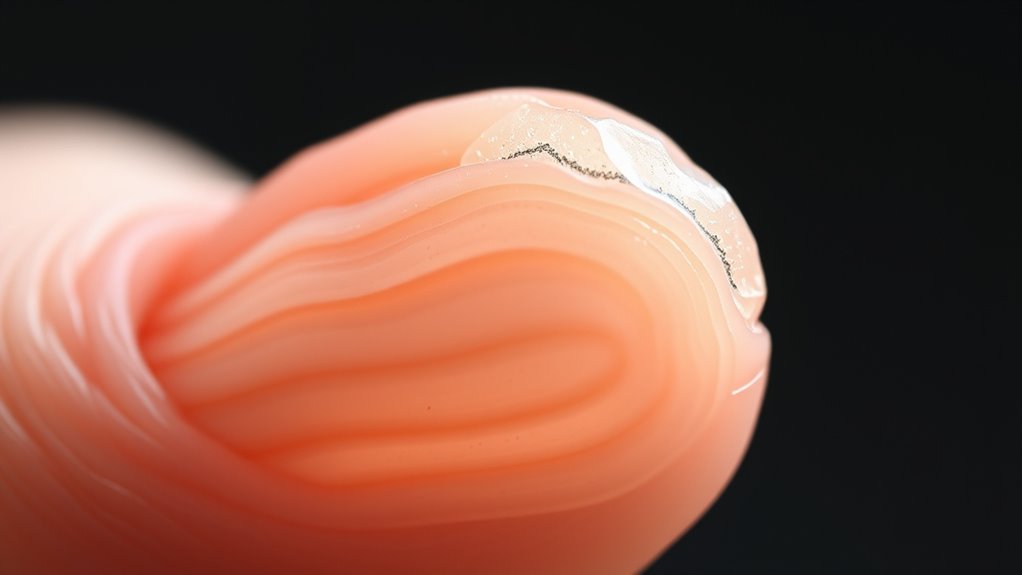
Have you ever wondered what makes up a nail? The nail unit consists of several parts working together, including the nail plate, nail bed, and surrounding skin. The nail plate is the visible, hard part you often decorate with nail art or nail polish. Underneath, the nail bed provides nutrients and support, helping your nails grow healthy. The cuticle protects the nail matrix, the area responsible for producing new cells. When you apply nail polish or create nail art, you’re enhancing a surface formed by dead keratinized cells, but the foundation is rooted in the nail bed and matrix. Understanding this anatomy helps you appreciate how your nails grow and how to care for them properly, keeping them strong and beautiful. Additionally, color accuracy in the natural appearance of your nails and surrounding skin can be affected by health and environmental factors.
The Role of the Nail Matrix in Nail Formation
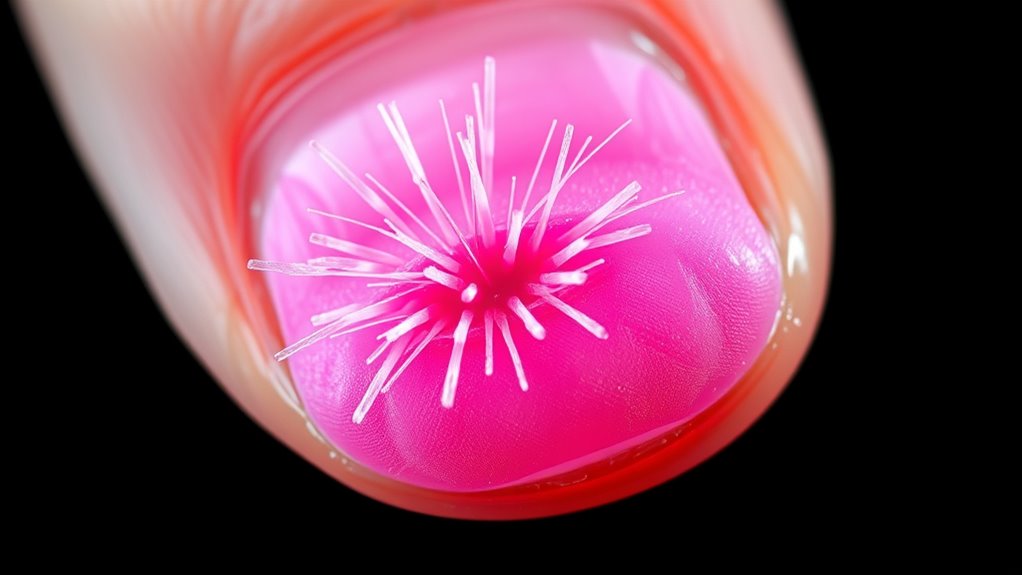
Your nail matrix is where new nail cells are produced, fueling growth. Located under your cuticle, it’s essential for the formation of a healthy nail. Damage to this area can slow or even stop nail growth altogether.
Nail Cell Production
The nail matrix, a specialized layer of cells located beneath the cuticle, is essential for nail cell production. This area continuously generates new cells that push outward, forming your nail. During this process, nail cell production involves rapid cell division and keratin synthesis, creating the tough, protective nail plate. To deepen your understanding:
- Cell division in the matrix produces new nail cells at a high rate.
- Keratin synthesis transforms these cells into hard, keratin-rich structures.
- As cells mature, they are pushed forward, contributing to nail growth and strength.
This tightly regulated process guarantees your nails grow steadily, maintaining their durability and appearance. The efficiency of nail cell production directly influences how quickly and healthy your nails develop over time.
Location of Growth
Beneath the visible nail lies the nail matrix, the key region responsible for nail formation and growth. This area, also called the growth zone, is where new nail cells are produced. Located at the base of your nail, just behind the cuticle, the matrix extends into the nail bed. As cells multiply in this zone, they push outward, creating the hard nail that you see. The nail bed supports the nail and provides nourishment, helping the new cells harden and attach properly. The growth zone’s activity determines how quickly your nails grow. Any damage or changes in this area can affect nail growth, but the primary location of growth remains within this specialized region beneath your cuticle. Self Watering Plant Pots are designed to maintain consistent moisture, similar to how the nail matrix consistently supplies new cells for growth.
Impact of Damage
Damage to the nail matrix can markedly disrupt nail formation and growth. When the matrix sustains nail damage, it often causes growth interruption, leading to irregularities like ridges or deformities. The severity depends on the extent of the injury, but even minor trauma can affect nail quality. Additionally, the horsepower of electric dirt bikes can influence how much force or trauma the matrix might endure in certain accidents or impacts. To understand this better, consider:
- How damage can cause permanent or temporary nail deformities.
- The risk of infection or scarring that may impair future growth.
- The potential for incomplete or uneven nail regrowth if the matrix is severely damaged.
Recognizing these impacts helps you appreciate why protecting the nail matrix is essential for healthy nail growth and why damage can have lasting effects.
How Nail Cells Are Produced and Matured
Nail cells originate deep within the nail matrix, where specialized cells divide rapidly to produce new growth. During this process, nail cell differentiation occurs, transforming stem cells into keratin-producing cells. These cells undergo the keratinization process, where they become filled with keratin and lose their nuclei, preparing for maturation. As they mature, they push upward, forming the hardened nail plate. The stages of cell development can be summarized as:
| Stage | Description |
|---|---|
| Cell division | Rapid replication of nail matrix cells |
| Differentiation | Cells specialize into keratin-producing cells |
| Keratinization | Cells fill with keratin and lose nuclei |
Factors That Affect Nail Growth
Have you ever wondered what influences how quickly your nails grow? Several factors play a role. First, your cuticle care is essential; healthy cuticles support proper nail growth by preventing infections and damage. Second, frequent use of nail polish can weaken nails if not removed properly, slowing growth or causing breakage. Third, overall stress and nail trauma can hinder growth, making nails brittle or prone to splitting. Ensuring you keep your cuticles moisturized and avoid overuse of harsh chemicals helps promote healthy growth. Additionally, giving your nails regular breaks from polish and avoiding aggressive manicures can make a difference. Proper nutrition and a balanced diet rich in vitamins also support nail health and growth. Understanding these factors empowers you to support your nails’ growth and maintain their strength and health over time.
The Influence of Nutrition and Lifestyle
Your overall nutrition and lifestyle choices directly impact how quickly and healthily your nails grow. Eating a balanced diet rich in biotin, zinc, and iron supports nail strength and growth. Incorporating dietary supplements can fill nutritional gaps, especially if your diet lacks certain vitamins. Good lifestyle habits, like staying hydrated and avoiding smoking, also promote healthy nails. Regularly applying moisturizer prevents brittleness and splits. Reducing stress through exercise or relaxation techniques helps maintain healthy nail growth by minimizing hormonal imbalances. Avoiding harsh chemicals and excessive hand washing preserves nail integrity. Ultimately, your daily choices—what you eat, drink, and how you care for your hands—play a essential role in nurturing your nails from the inside out.
Common Nail Disorders and Their Causes
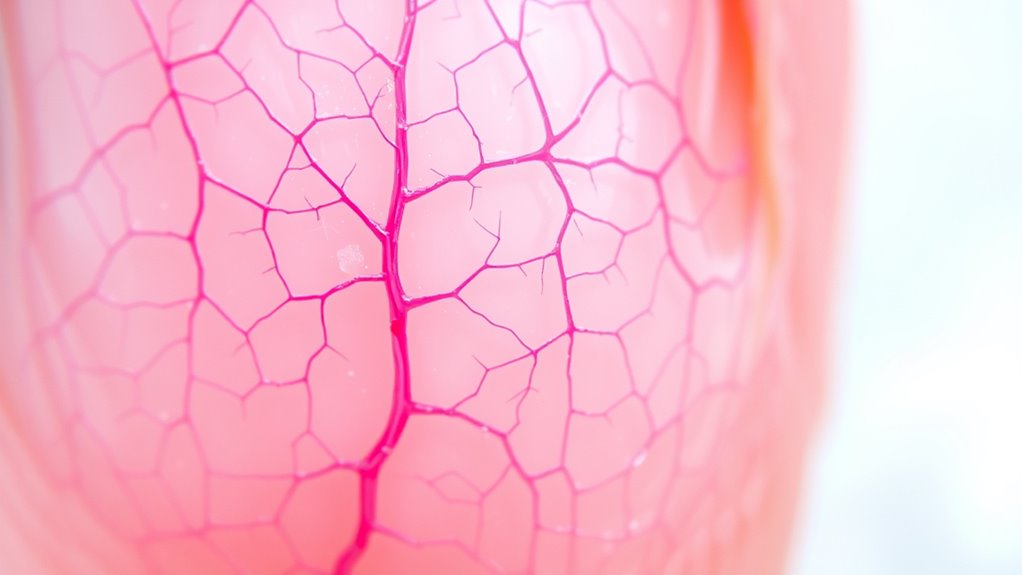
Fungal infections can cause nails to become thick, discolored, or brittle, making them more prone to damage. Nutritional deficiencies, like lack of biotin or iron, often show up as weak or splitting nails. Understanding these causes helps you identify and address common nail problems early on. Additionally, essential oils for health conditions can sometimes be used to support nail health when properly diluted and applied.
Fungal Infections Impacting Nails
Fungal infections are a common cause of nail disorders, often leading to thickening, discoloration, and crumbling edges. These infections can affect anyone but are especially common in those with weakened immune systems or frequent exposure to moist environments. Fungal infections, or onychomycosis, cause distinct nail discoloration, turning nails yellow, brown, or white. To better understand this issue, consider these factors:
- Transmission: Fungal spores spread through direct contact or contaminated surfaces like locker room floors or nail salons.
- Progression: If untreated, the infection worsens, causing nails to become brittle and fragmented.
- Prevention: Good hygiene, avoiding moisture buildup, and proper nail care help reduce fungal infection risks and nail discoloration.
Nutritional Deficiencies and Nail Health
Nutritional deficiencies can markedly impact nail health, leading to various common disorders. When you lack essential vitamin deficiencies, such as biotin, vitamin D, or iron, your nails may become brittle, thin, or develop ridges. Mineral imbalances, like low zinc or calcium levels, can cause nail separation or abnormal growth patterns. These deficiencies weaken the structural integrity of your nails, making them more prone to damage and infections. Ensuring a balanced diet rich in vitamins and minerals supports healthy nail growth and prevents these issues. Additionally, understanding how website performance metrics help assess visitor engagement can guide you in seeking professional advice when persistent nail problems occur. If you notice persistent nail problems, it’s wise to assess your nutritional intake and consider supplementation if necessary. Proper nutrition is key to maintaining strong, healthy nails and avoiding the common disorders associated with deficiencies.
Tips for Maintaining Healthy Nails
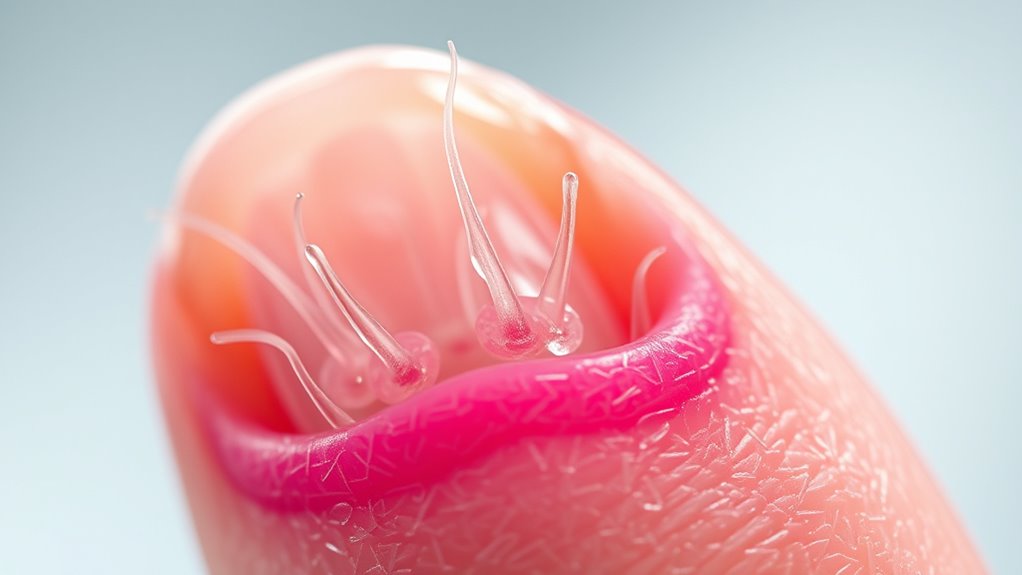
Maintaining healthy nails requires consistent care and attention to your daily habits. Proper cuticle care keeps the nail matrix protected, preventing infections and promoting growth. Avoid biting or tearing your cuticles, and gently push them back after moisturizing. Nail polish safety is also essential; always use non-toxic formulas to prevent exposure to harmful chemicals. Additionally, give your nails regular breaks from polish to breathe and recover. Keep your nails moisturized with nourishing oils or creams to prevent dryness and splitting. Using natural essential oils like lavender oil can help soothe and promote healthy nail growth. Here are three tips to help you maintain healthy nails:
- Moisturize cuticles daily to keep them flexible and healthy
- Use nail polishes free from formaldehyde, toluene, and phthalates
- Avoid harsh removers; opt for gentle, acetone-free options
Consistent care guarantees stronger, more resilient nails.
Advances in Nail Care and Regeneration
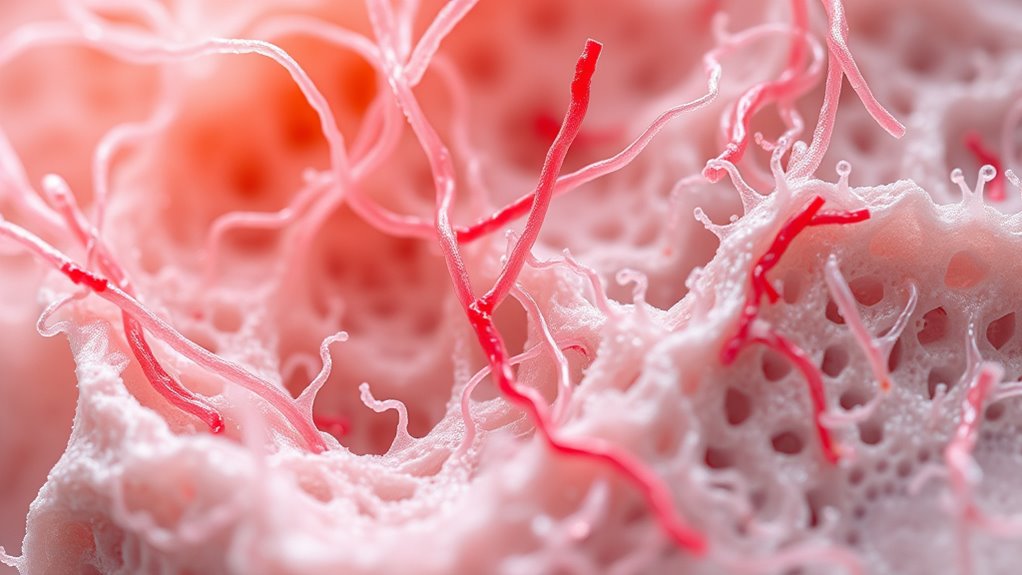
Recent innovations in nail care focus on enhancing the natural regeneration process and repairing damaged nails. Advances include nourishing treatments that strengthen nails from within and reduce breakage. For those interested in nail art, these treatments help maintain a smooth surface, making designs last longer. Gel manicures have also evolved, with improved formulas that minimize damage and make removal gentler on your nails. New bonding agents and UV/LED curing techniques now offer durability without sacrificing nail health. Additionally, regenerative therapies like platelet-rich plasma (PRP) treatments are gaining popularity, promoting faster growth and stronger nails. These innovations empower you to enjoy creative nail art and vibrant gel manicures without compromising your nail health, keeping your nails resilient and beautiful over time. Waterproof nail polishes and treatments tailored for durability are also emerging, helping your manicures withstand everyday exposure to water and moisture.
Frequently Asked Questions
How Does Age Influence Nail Growth Speed and Health?
As you age, your nail growth speed slows down due to age-related changes in your body. You might notice thinner, more brittle nails with age, following typical nail aging patterns. These changes happen because your nail matrix produces cells more slowly and less efficiently. To keep your nails healthy, you should maintain good nutrition, stay hydrated, and protect your nails from damage, especially as your age influences their overall health.
Can Nail Growth Be Significantly Accelerated or Slowed Down?
You can slightly influence your nail growth by taking care of your nails, but it’s challenging to substantially accelerate or slow it down. Applying nourishing products and avoiding damage helps maintain healthy growth. Visiting nail salons for treatments or using nail polish with growth-promoting ingredients might support your nails. However, your growth rate primarily depends on genetics and overall health, so manage expectations and focus on proper nail care.
What Genetic Factors Determine Individual Nail Growth Patterns?
Your genetic markers play a key role in determining your nail growth patterns. They influence factors like growth rate, thickness, and shape, making each person’s nails unique. If your family has a history of fast or slow nail growth, you’re likely to inherit similar patterns. These genetic factors are complex, involving multiple genes that regulate cell activity inside the nail matrix, shaping how your nails grow over time.
How Do Environmental Toxins Impact the Nail Matrix?
Toxin accumulation from environmental exposure can silently damage your nail matrix, disrupting healthy growth. While your nails might seem unaffected, the environmental impact quietly weakens the keratin cells, leading to brittle, discolored, or uneven nails. Just as a polluted river harms its banks, environmental toxins compromise your nail health, making it essential to minimize exposure and support your body’s natural detox processes for stronger, healthier nails.
Are There Any Emerging Treatments to Regenerate Damaged Nail Matrix Tissue?
Yes, innovative therapies are emerging to promote nail regeneration. Researchers are exploring stem cell treatments and bioengineered scaffolds that stimulate the damaged nail matrix to grow new tissue. These advanced approaches aim to restore nail health more effectively. While still in experimental stages, staying informed about these developments can help you access cutting-edge options for regenerating damaged nail matrix tissue in the future.
Conclusion
Understanding how your nails grow reveals both their fragility and resilience. While proper care and nutrition support healthy growth, neglect can lead to disorders and damage. Your nails are delicate yet strong, a mirror to your overall health. By knowing their anatomy and respecting their needs, you can nurture them confidently. Embrace the balance—strength in care, beauty in growth—and let your nails reflect your vitality every day.