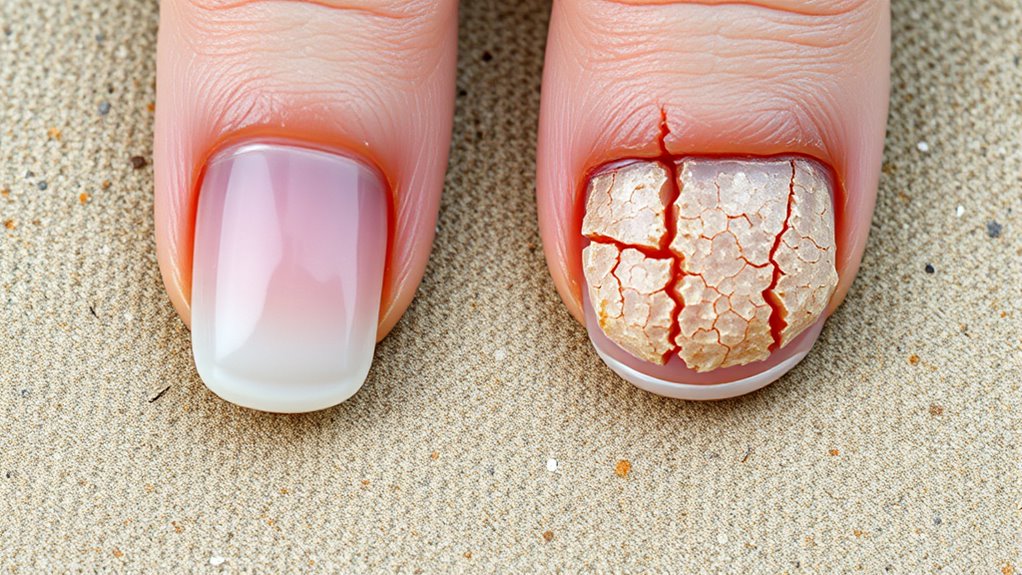
Your nails’ flexibility or brittleness depends on their keratin structure, health, and daily habits. Well-maintained nails with proper hydration, nutrition, and gentle care stay flexible and resilient. Factors like exposure to harsh chemicals, water, and poor cuticle care weaken nails, making them brittle. Nutrient deficiencies and health conditions also play a role. By understanding these factors, you can improve your nail strength—learn more about what influences them to keep your nails healthy.
Key Takeaways
- Nail flexibility depends on proper hydration, nutritional balance, and healthy keratin production, while brittleness results from dehydration and nutrient deficiencies.
- The nail matrix’s health and keratinocyte quality influence nail strength, affecting whether nails are flexible or prone to breakage.
- Exposure to harsh chemicals, frequent water contact, and improper nail care can weaken nails, making them brittle rather than flexible.
- Nutrients like biotin, zinc, iron, and vitamins A, C, and E are essential for maintaining resilient, flexible nails.
- Overuse of acetone-based removers and artificial nails can strip natural oils, reducing flexibility and increasing fragility.

Nail-Aid Keratin 3 Day Growth Nail Treatment & Strengthener, Clear, 0.55 Fl Oz
NAIL STRENGTHENER: Keratin is the hardening protein that builds nails. This powerful keratin amino acids treatment absorbs into…
As an affiliate, we earn on qualifying purchases.
As an affiliate, we earn on qualifying purchases.
The Composition and Structure of Nails
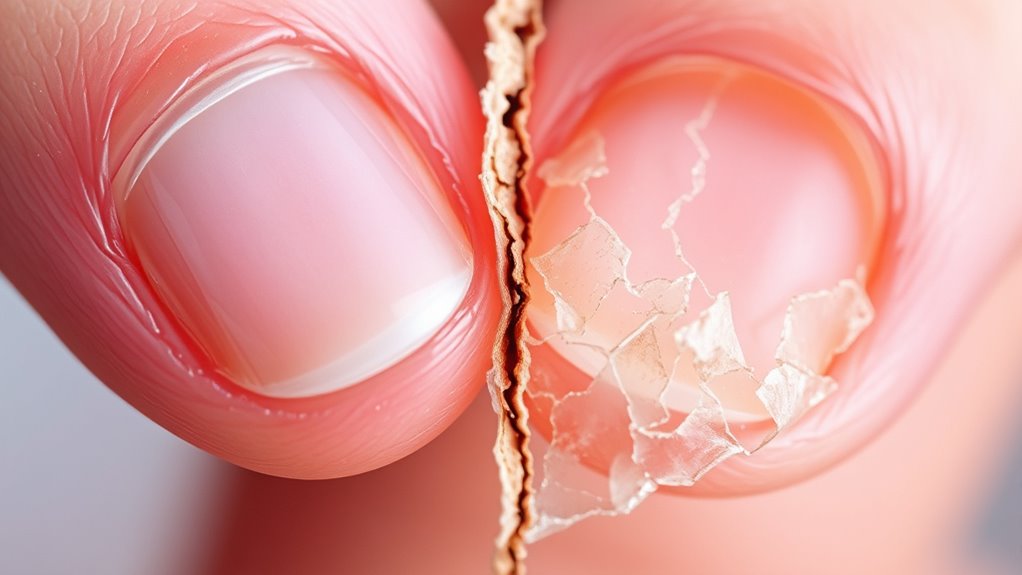
Nails are primarily made up of a tough protein called keratin, which provides strength and resilience. This keratin forms the main structure of your nails, making them durable and protective. Beneath the nail plate lies the nail matrix, the essential tissue responsible for producing new cells that generate nail keratin. As these cells multiply and harden, they push outward, forming the visible nail. The nail matrix’s health directly impacts nail growth and strength. The composition of nail keratin includes keratinocytes, which give nails their firmness, while the matrix ensures a continuous supply of new cells. The growth process of nails depends heavily on the activity and health of the matrix. Understanding how these components work together helps explain why nails are so resilient yet sensitive to damage and changes. Proper care supports the integrity of both the nail keratin and the matrix.

Nature's Bounty Biotin Hair Skin and Nails Vitamins, Supports Healthy Hair, Skin and Nails, 10,000 mcg, 120 Softgels (Pack of 1)
SUPPORTS HEALTHY HAIR (1): Biotin helps maintain healthy hair; providing essential nutrients crucial for beautiful hair (1)
As an affiliate, we earn on qualifying purchases.
As an affiliate, we earn on qualifying purchases.
Factors Influencing Nail Flexibility and Fragility
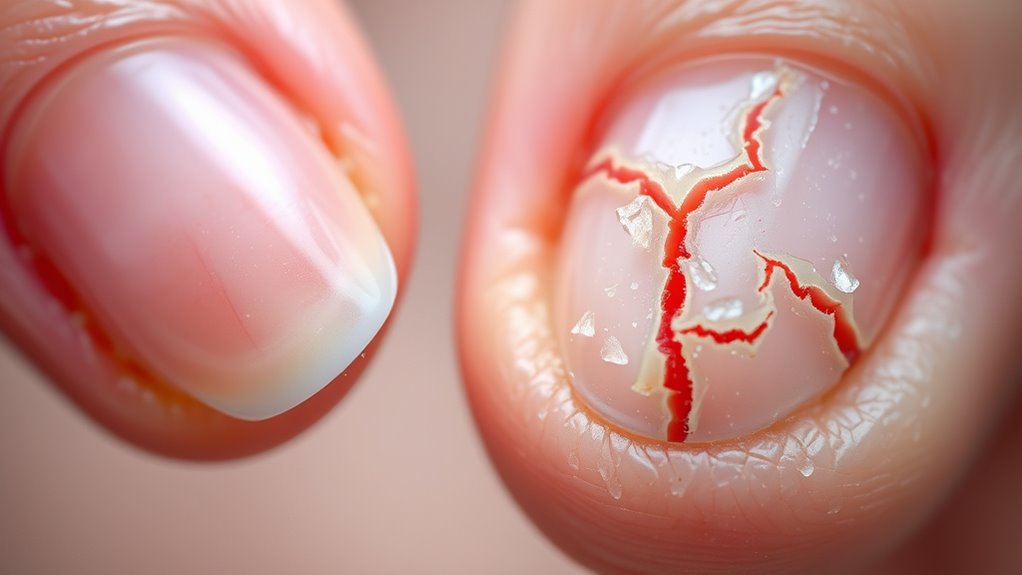
Several factors determine whether your nails become flexible or brittle. Your daily habits, like using nail polish frequently, can weaken nails over time, especially if you don’t remove it properly. Poor cuticle care also impacts nail health by allowing infections and dryness to develop, making nails more fragile. Environmental factors, such as exposure to water or harsh chemicals, contribute to brittleness. To help illustrate, consider this table:
| Factor | Effect on Nails | Tips to Improve |
|---|---|---|
| Nail polish | Can cause dryness and breakage | Use nourishing base coats |
| Cuticle care | Maintains nail integrity | Regular moisturizing |
| Hydration | Prevents brittleness | Drink plenty of water |
| Exposure to water | Softens nails, increases fragility | Wear gloves when washing |
| Chemical exposure | Damages keratin structure | Use protective gloves |
Additionally, paying attention to overall nail health and avoiding excessive use of harsh products can help maintain strength and flexibility.

Sally Hansen Nail Treatment Vitamin E Nail & Cuticle Oil™ | Enriched with Natural Essential Oils & Vitamin E | Deeply Nourishes & Conditions Dry Nails & Cuticles
Softens and conditions cuticles.
As an affiliate, we earn on qualifying purchases.
As an affiliate, we earn on qualifying purchases.
Common Causes of Brittle Nails
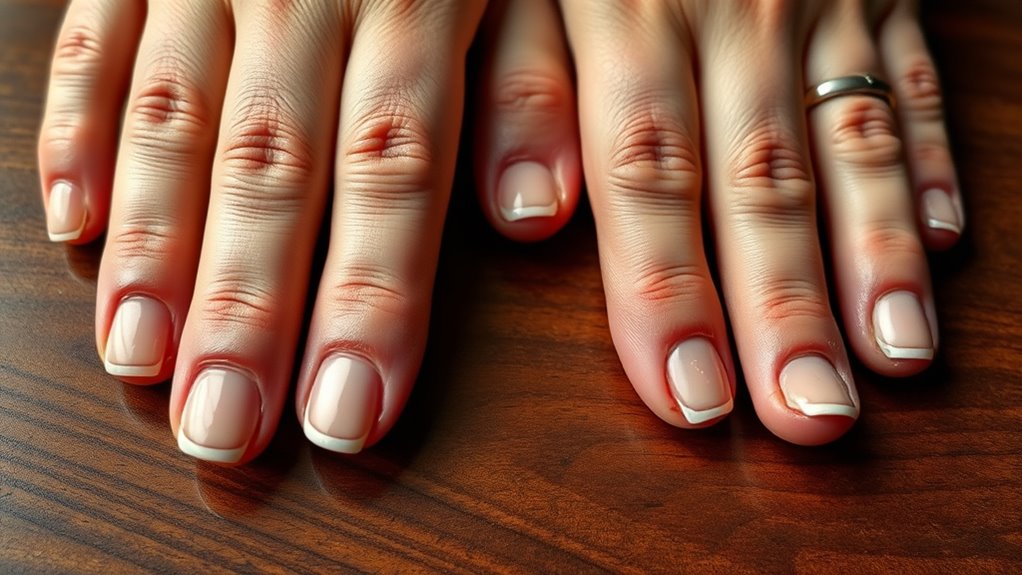
Constant exposure to harsh chemicals and frequent water contact can considerably weaken your nails, making them prone to becoming brittle. Over time, this can lead to visible signs like nail discoloration, where nails appear yellowed or dull. Nail pitting, small depressions or holes on the nail surface, is another common indicator of damage or underlying health issues. Using strong cleaning products without gloves strips natural oils, further drying out your nails and increasing brittleness. Additionally, frequent nail polish removal with harsh acetone-based removers can damage the nail surface, heightening the risk of breakage. Other causes include nutritional deficiencies, such as lacking essential vitamins, and underlying health conditions like psoriasis or thyroid issues. Implementing proper nail care practices can help strengthen nails and prevent brittleness effectively.

Probelle Hydrating Base Coat for Dry and Brittle Nails, Instant Moisturizer, Nourishes and Soothes Nails with a Healthy Glow, Extends Polish Life, Ideal for Dehydrated, Rough, Breaking Nails
HYDRATING FORMULA: Infused with Vitamin E, Raspberry, and Radish Root to deeply moisturize and nourish dry, brittle, and…
As an affiliate, we earn on qualifying purchases.
As an affiliate, we earn on qualifying purchases.
How Hydration and Nutrition Impact Nail Strength
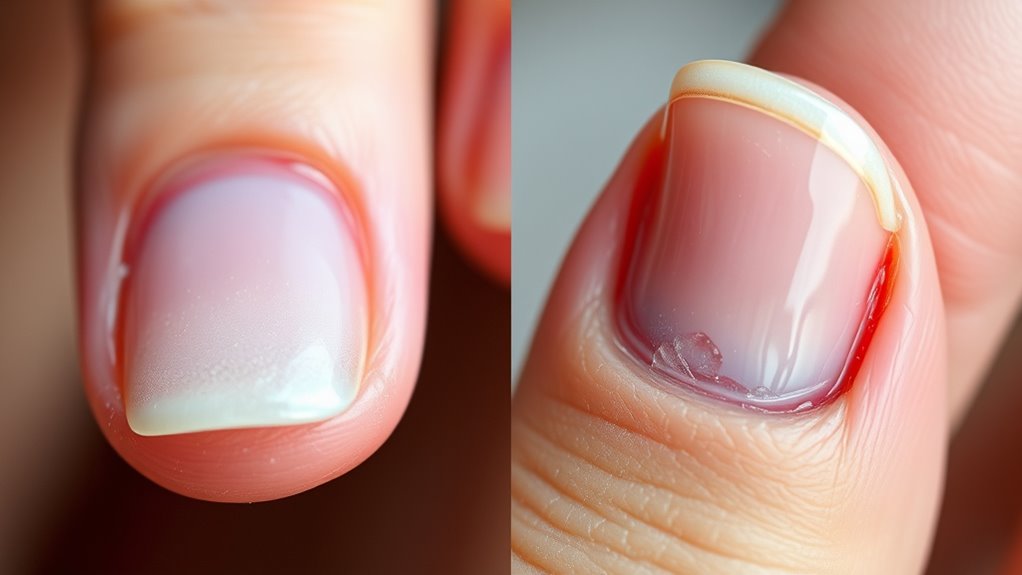
When your nails become brittle from exposure to harsh chemicals or frequent water contact, it often reflects underlying nutritional gaps and hydration issues. Proper nail hydration is essential because dehydrated nails tend to become dry and prone to cracking. Drinking enough water helps maintain moisture levels, keeping nails flexible and less prone to breakage. Additionally, nutrient intake plays a vital role; deficiencies in biotin, zinc, iron, and vitamins A, C, and E weaken nail structure. Ensuring a balanced diet rich in these nutrients supports stronger, more resilient nails. Using moisturizing treatments can also help reinforce nail flexibility and prevent breakage. When your body receives adequate hydration and nutrient intake, your nails are more likely to stay flexible and healthy, reducing the risk of brittleness. Addressing hydration and nutrition is a fundamental step toward nail strength.
Tips for Maintaining Healthy, Resilient Nails

To keep your nails healthy and resilient, focus on establishing simple, consistent habits that support their strength. First, always use gentle nail polish removal methods to avoid unnecessary damage; acetone-based removers can dry out nails, so opt for non-acetone formulas. Second, limit artificial nail application, giving your natural nails time to breathe and recover. Third, moisturize your cuticles daily with nourishing oils to prevent dryness and cracking. Fourth, avoid biting or picking at your nails, which weakens the structure. Additionally, protect your nails from harsh chemicals and wear gloves during cleaning or gardening. Using the right oil for airless sprayers can be analogous to nourishing your nails, as proper maintenance helps prevent brittleness. These habits help maintain flexibility and prevent brittleness, ensuring your nails stay healthy and resilient over time.
Frequently Asked Questions
Can Nail Strength Be Inherited Genetically?
Yes, your nail strength can be influenced by genetic inheritance. If your family members have resilient nails, you’re more likely to have similar nail resilience. Genetics play a role in determining the quality of your nails, affecting how flexible or brittle they are. While external factors matter, your genetic makeup sets a baseline for your nail strength, making it partly inherited and partly influenced by your lifestyle and care habits.
How Do Age and Hormonal Changes Affect Nail Resilience?
As you journey through life’s chapters, subtle shifts in hormonal fluctuations and age-related changes can soften your nail resilience, making them more delicate. These natural fluctuations may reduce keratin production, causing nails to become more brittle or prone to splitting. Embracing proper nutrition, hydration, and care helps support your nails through these changes , ensuring they remain healthy and strong despite the gentle tides of aging and hormonal shifts.
Do Nail Treatments or Polishes Weaken Nails Over Time?
Yes, nail treatments and polishes can weaken your nails over time. They often cause chemical damage, especially if applied frequently or removed improperly, stripping away natural oils. This leads to dehydration and brittleness. To prevent this, guarantee your nails stay well-hydrated and give them regular breaks from polish. Using nourishing base coats and avoiding harsh removers also helps maintain nail strength and reduces the risk of damage.
Are There Specific Diseases That Impact Nail Flexibility?
Certain diseases can impact your nail flexibility, such as nail fungal infections and psoriasis-related nail changes. Nail fungal infections often cause thickening and brittleness, reducing flexibility, while psoriasis may lead to pitting, ridges, or thickening that make nails more brittle or fragile. If you notice these changes, consult a healthcare professional for accurate diagnosis and appropriate treatment, as these conditions can markedly affect your nail health and flexibility.
How Does Environmental Exposure Influence Nail Brittleness?
Surprisingly, your nails love to soak up the sun and chemicals, making them more brittle. UV damage and chemical exposure weaken your nails, turning them into fragile, crack-prone surfaces. You might think they’re tough, but constant environmental assault strips away their strength. So, next time you ignore gloves or sun protection, remember—you’re inviting your nails to become flaky and brittle. Protect them, or say hello to a delicate disaster!
Conclusion
Understanding what makes your nails flexible or brittle helps you take better care of them. By paying attention to hydration, nutrition, and daily habits, you can strengthen your nails and prevent breakage. Isn’t it worth investing a little time to keep your nails healthy and beautiful? With simple adjustments, you’ll enjoy resilient nails that boost your confidence and complement your style. Ready to give your nails the care they deserve?