Understanding your nail anatomy helps you care for them better. The nail plate is the hard surface you see and smoothen for polish. Beneath it lies the nail bed, which supports and nourishes your nail. At the base, the nail matrix produces new cells, controlling growth. Surrounding this is the cuticle, a protective layer that keeps bacteria out. Knowing how these parts work together can help you maintain healthy, beautiful nails—if you keep exploring, you’ll discover more tips to boost their health.

Get beauty and skincare favorites delivered free with Prime
- Fast, free delivery on millions of items
- Prime Video, Amazon Music and more included
- Member-only deals all year
Key Takeaways
- The nail plate is a hard, translucent surface that shapes and supports the nail; its health affects overall nail appearance.
- Beneath the nail plate lies the nail bed, which nourishes and gives color to the nail through blood supply.
- The nail matrix, located at the base, produces new nail cells and determines nail growth and shape.
- The cuticle acts as a protective barrier, sealing the space between the nail plate and surrounding skin.
- Proper care of each structure prevents infections, promotes healthy growth, and enhances the final look of nail art.
As an affiliate, we earn on qualifying purchases.
The Nail Plate: Your Nail’s Visible Surface
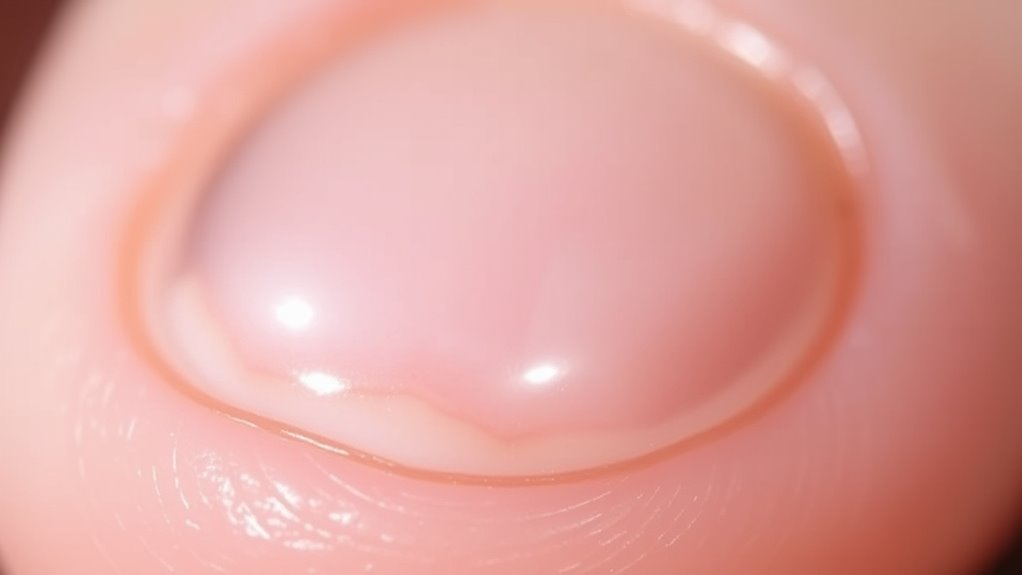
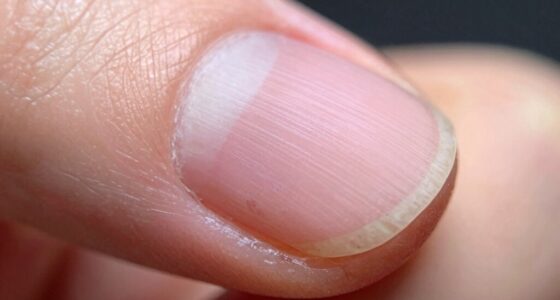
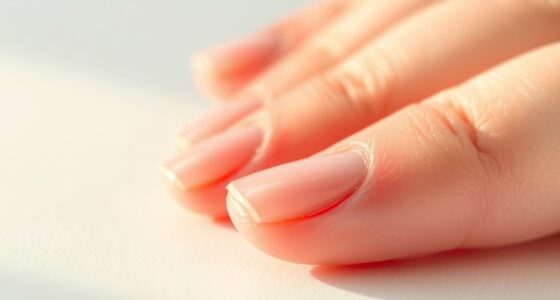
The nail plate is the hard, translucent surface you see on the tip of your finger or toe. It’s what gives your nails their shape and structure. When you’re doing nail polish application, it’s important to work with a smooth, clean surface to achieve a flawless finish. The shape design you choose—square, oval, stiletto—depends on the natural shape of your nail plate and how you want it to look. A well-maintained nail plate enhances your overall style and makes your nails easier to decorate. Keep it healthy by avoiding harsh chemicals and filing gently. Remember, the appearance of your nail plate directly impacts the final look of your nail art and polish, so take good care of it for the best results. Proper nail care also involves understanding the nail matrix, which is essential for healthy nail growth.
As an affiliate, we earn on qualifying purchases.
The Nail Bed: Foundation and Support
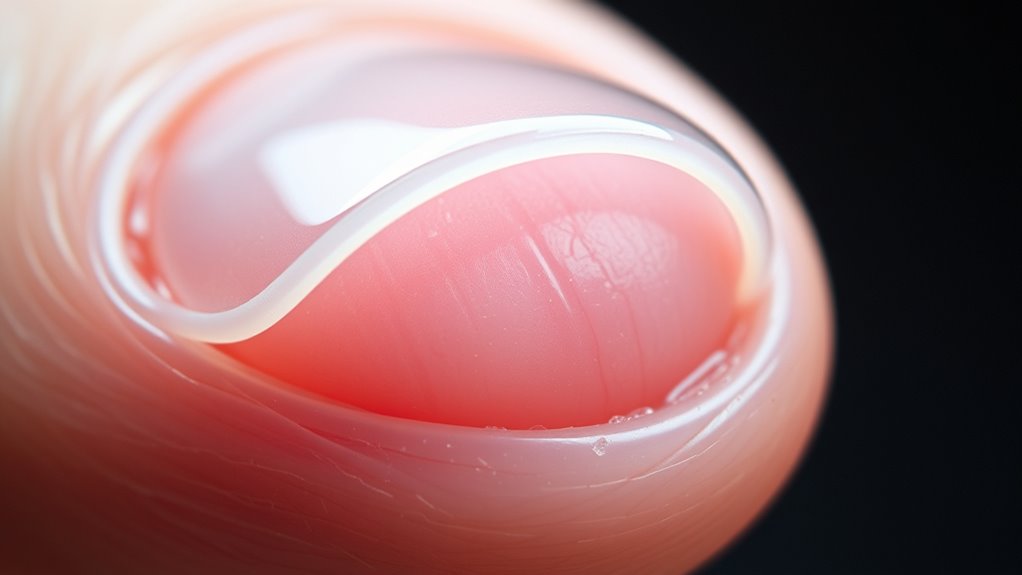
Beneath the nail plate lies the nail bed, which acts as the foundation that supports and nourishes your nails. This layer of tissue is rich with blood vessels, giving your nails their healthy pink color. Proper nail hygiene is essential to keep the nail bed clean and free from infections. Neglecting nail care can lead to common nail disorders like infections, ridges, or discoloration. Damage to the nail bed from trauma or improper grooming can affect nail growth and strength. To maintain a healthy nail bed, avoid biting or picking at your nails, and keep your hands moisturized. Recognizing issues early allows you to seek treatment before problems worsen, ensuring your nails stay healthy and resilient. Additionally, automating nail care routines can help monitor and maintain nail health more effectively.
As an affiliate, we earn on qualifying purchases.
The Nail Matrix: The Growth Center
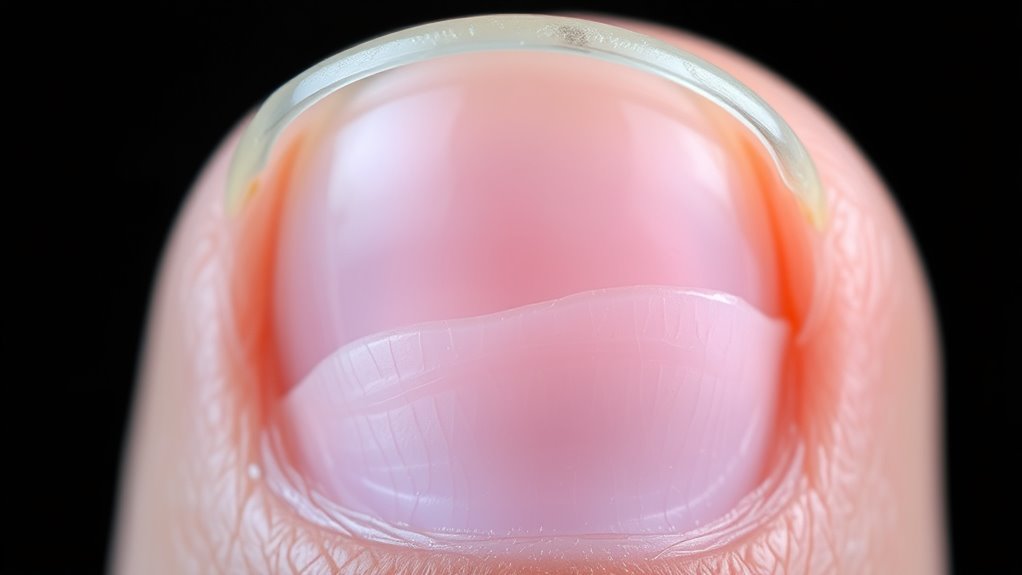
Your nail matrix is the essential zone located at the base of your nail, responsible for producing new nail cells. This area, often called the growth center, determines your nail’s length and overall health. The matrix contains specialized cells that continuously divide and generate keratin, the protein that forms your nail plate. Proper nail health depends on the functioning of your matrix, as damage or disruption can impair growth cycles and lead to issues like ridges or deformities. The matrix’s activity varies with age, health, and external factors, influencing how quickly your nails grow. Keeping your nails protected and avoiding trauma helps preserve the matrix’s integrity, ensuring steady growth and maintaining healthy, strong nails. Additionally, nail health can be affected by external factors such as exposure to harsh chemicals or nutritional deficiencies, which underscores the importance of caring for your nails and supporting their growth environment.
As an affiliate, we earn on qualifying purchases.
The Cuticle and Surrounding Structures
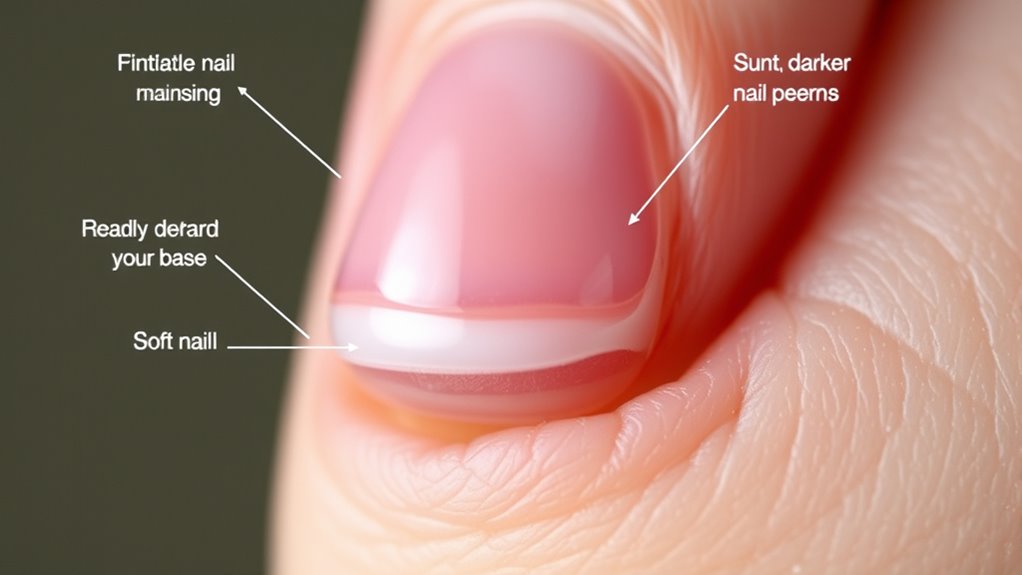
The cuticle and surrounding structures act as a protective barrier, sealing the space between your nail plate and the skin. Maintaining good cuticle health is essential to prevent infections and promote healthy nail growth. The cuticle, a thin layer of dead skin, shields the new nail cells as they emerge from the nail matrix. Proper care involves gentle pushing back and moisturizing, avoiding cutting or tearing, which can damage surrounding tissue. Healthy surrounding tissue supports nail stability and prevents entry of bacteria or fungi. When you care for your cuticle and surrounding area, you help preserve their integrity and function. This not only improves the appearance of your nails but also ensures their ongoing health and strength. Proper maintenance of these structures is key to overall nail wellness. Additionally, understanding the anatomy of the nail can help you better care for your nails and prevent common issues.
Frequently Asked Questions
How Does Nail Health Reflect Overall Bodily Health?
Your nail health can reveal underlying issues like nutritional deficiencies or systemic illnesses. When your body lacks essential nutrients, your nails may become brittle, discolored, or develop ridges. Similarly, systemic illnesses such as thyroid problems or diabetes often show up in your nails through changes like pitting or separation. Paying attention to these signs helps you catch health concerns early and seek appropriate medical advice.
Can Nail Anatomy Vary Between Different Age Groups?
Nail anatomy is like a evolving landscape, changing with age. You’ll find that age-related changes, such as thinner or more brittle nails, occur as you grow older. In pediatric nail development, nails are softer and more flexible. These variations are natural, reflecting different stages of life. So, yes, nail structure and health can differ between age groups, highlighting how your body adapts over time.
What Are Common Nail Diseases Related to Each Structure?
You might encounter nail diseases like nail fungus, which affects the nail plate, causing discoloration and thickening. Paronychia infection targets the cuticle and surrounding skin, leading to redness and swelling. Issues like psoriasis or trauma can impact the nail bed, causing ridges or separation. Recognizing these diseases early helps you seek proper treatment, preventing further damage to the nail structures and maintaining healthy nails.
How Do External Factors Affect Nail Growth and Health?
External factors are like wind shaping a tree, influencing your nail health and growth. Environmental impacts, such as harsh chemicals or cold weather, can weaken nails and slow growth. Nutritional deficiencies, especially lacking biotin or vitamins, cause brittle, ridged nails. To keep your nails strong and healthy, protect them from harsh conditions and maintain a balanced diet. Proper care and nutrition help your nails grow resilient and beautiful.
Are There Genetic Differences in Nail Structure Among Individuals?
Yes, genetic variations influence your nail structure, leading to differences in nail morphology among individuals. These variations can affect nail thickness, shape, and growth patterns. You might notice some people have naturally curved or flat nails, or thicker or more brittle nails, all due to genetic factors. Understanding these differences helps you appreciate the diversity in nail health and provides insights into personalized nail care routines.
Conclusion
Now that you know the key parts of your nails, you can appreciate their complexity. Did you know that your nails grow about 0.1 millimeters per day? That’s roughly the thickness of a sheet of paper! By understanding the nail plate, bed, matrix, and cuticle, you’ll better care for your nails and keep them healthy. So, next time you look at your nails, remember they’re more than just a pretty surface—they’re a fascinating part of your body!
Halloween Picks
halloween
As an affiliate, we earn on qualifying purchases.