
To set effective salon policies on no-shows, cancellations, and etiquette, clearly communicate expectations upfront, including notice periods and fees. Implement a no-show policy with specific consequences, and use appointment reminders to reduce missed appointments. Address late arrivals with a consistent approach, and encourage professionalism through staff training. Regularly review and update your policies, making sure clients understand them. If you want to learn more about creating fair, transparent policies, keep exploring these key strategies.
Key Takeaways
- Clearly communicate cancellation, no-show, and etiquette policies during appointment confirmation to set client expectations upfront.
- Implement deposit requirements and define notice periods to reduce last-minute cancellations and ensure client commitment.
- Establish consistent enforcement procedures for tardiness, cancellations, and no-shows to maintain fairness and professionalism.
- Regularly review and update policies, and communicate any changes through multiple channels to keep clients and staff informed.
- Train staff on policy details and professional etiquette to promote respectful client interactions and uphold salon standards.
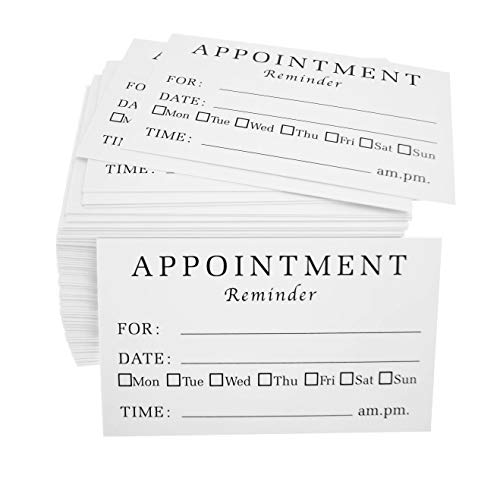
RXBC2011 Appointment Reminder Cards (Pack of 100) for Dentist Therapist Doctor Hair Salon Pack of 100
IMPRESS YOUR CLIENT – No More No-Shows! Give out appointment reminder cards to you clients to help them…
As an affiliate, we earn on qualifying purchases.
As an affiliate, we earn on qualifying purchases.
Clarifying Your Cancellation Policy
To prevent misunderstandings and guarantee smooth scheduling, it’s essential to clearly communicate your cancellation policy to clients. During appointment confirmation, explain your policies on cancellations and rescheduling to set expectations upfront. Be specific about the notice required and any fees involved, so clients understand the importance of timely communication. Clearly outline how you enforce your policy to ensure consistency and fairness, which helps with policy enforcement. When clients know the rules from the start, they’re more likely to respect your boundaries and avoid last-minute cancellations. This transparency not only minimizes confusion but also builds trust. Consistent communication about your cancellation policy ensures everyone is on the same page, making your scheduling smoother and more efficient. Additionally, understanding relationships and personality dynamics can help you respond more effectively to client concerns and reinforce clear boundaries.

Weatherproof ANSI Payment Policies Sign ($50 cancellation fee will be applied to missed or canceled appointments without 48 hours in advance notice) 8 in" x 12 in" UV Resistant Plastic Safety SIgn
Wording: $50 cancellation fee will be applied to missed or canceled appointments without 48 hours in advance notice
As an affiliate, we earn on qualifying purchases.
As an affiliate, we earn on qualifying purchases.
Establishing a No-Show Policy
Implementing a clear no-show policy is essential to protect your time and maintain a smooth scheduling process. To do this effectively, consider these key steps:
A clear no-show policy safeguards your schedule and ensures accountability.
- Set clear consequences for no-shows, such as late cancellation fees.
- Use appointment reminders to reduce forgetfulness and reinforce client accountability.
- Communicate your policy upfront so clients understand the importance of honoring their appointments.
- Incorporate grocery savings strategies into your business operations to reduce costs and improve overall efficiency.
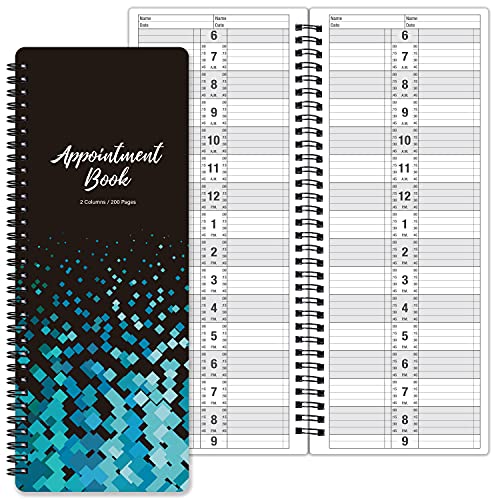
Poluma Salon Appointment Book – 11.5" x 4.7", 2 Columns, Undated, 6 AM – 9 PM, Twin-Wire Binding, 200 Pages, Hair Stylist – Black
APPOINTMENT BOOK – This salon appointment book/daily appointment book is undated appointment book, you can write the date…
As an affiliate, we earn on qualifying purchases.
As an affiliate, we earn on qualifying purchases.
Communicating Expectations for Appointments

Clear communication about your appointment expectations helps guarantee clients arrive prepared and on time. Engaging clients through clear instructions fosters trust and encourages punctuality. Use appointment reminders—via text, email, or calls—to reinforce expectations and confirm their upcoming visit. These reminders improve client engagement by reducing missed appointments and last-minute cancellations. Be specific about arrival times, cancellation policies, and any prep needed before the appointment. When clients understand what to expect, they’re more likely to respect your schedule and adhere to your policies. Consistent, transparent communication sets the tone for a professional relationship and minimizes misunderstandings. Remember, the clearer you are, the more confident your clients will feel in your services, leading to a smoother, more efficient appointment experience for everyone. Incorporating mindfulness techniques, such as focused breathing, can also help both clients and staff maintain calmness and clarity during busy times.
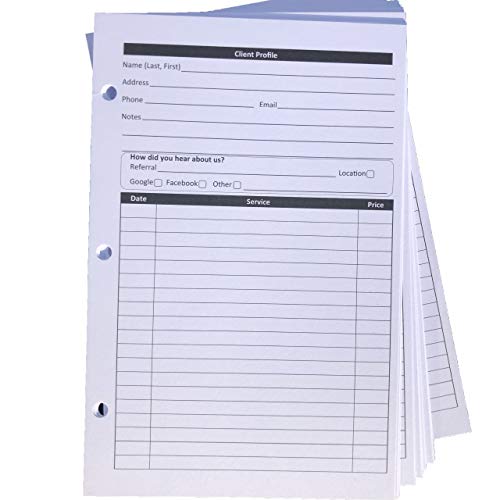
Stylist Binder Insert Cards, Salon Client Profile Cards (100 Pack, 5.5" X 8.5") Client Record Book Hair Stylist, Hairstylist Essentials, Color Formula a5 binder inserts, Made in USA
High-Quality Binder Inserts: These 5.5" x 8.5" stylist binder inserts are crafted for durability and longevity. Ideal for…
As an affiliate, we earn on qualifying purchases.
As an affiliate, we earn on qualifying purchases.
Setting Timeframes for Cancellations and Rescheduling
Establishing specific timeframes for cancellations and rescheduling helps guarantee your schedule remains manageable and fair to all clients. Clear policies ensure your appointment flexibility and respect your booking preferences. Consider implementing these key points:
- Require cancellations at least 24-48 hours in advance to avoid penalties and allow for other bookings.
- Set a rescheduling window, such as 24 hours before the original appointment, to maintain efficiency.
- Communicate consequences for late cancellations or no-shows to reinforce accountability.
- Understanding regional legal resources can assist in drafting policies that comply with local regulations and protect your business interests.
These timeframes help clients plan accordingly and respect your scheduling boundaries. By defining these limits, you create consistency, reduce last-minute disruptions, and support a smooth operation that aligns with your booking preferences. Clear, fair policies benefit both you and your clients.
Implementing Deposit Requirements
Implementing deposit requirements helps safeguard your time and business from no-shows. You’ll need to clarify your deposit policies, including accepted payment methods and how refunds or cancellations work. This guarantees clients understand their commitments and reduces last-minute cancellations. Additionally, setting clear guidelines on payment processing ensures smooth transactions and minimizes disputes.
Deposit Policies Explained
To guarantee smooth scheduling and reduce missed appointments, many salons are now requiring deposits from clients at the time of booking. This ensures commitment and covers costs like hair product pricing and stylist training. Consider these key points:
- Clear Deposit Amounts: Specify whether deposits are a flat fee or a percentage of the service.
- Refund Policies: Communicate if deposits are refundable or transferable if clients cancel within a certain window.
- Booking Flexibility: Use deposits to manage last-minute cancellations, helping maintain consistent revenue.
Implementing a deposit policy encourages clients to value your time and expertise, especially as you invest in your stylist training and hair product selections. This step minimizes no-shows and keeps your schedule running smoothly.
Payment Methods Accepted
Choosing the right payment methods for your deposit requirements is vital to guarantee a smooth booking process. You want clients to feel confident that their payments are secure and convenient. Consider offering a variety of options like credit cards, digital wallets, and mobile payments to accommodate different preferences. If your salon features luxury amenities, make sure your payment system reflects that upscale experience, providing seamless transactions. Incorporate eco-friendly products in your payment process, such as digital receipts or contactless payments, to align with your sustainability values. Clear communication about accepted payment methods helps set expectations and reduces no-shows caused by payment issues. Additionally, integrating hybrid solutions can enhance payment flexibility, ensuring clients have multiple ways to complete their transactions. Ultimately, selecting flexible, secure payment options supports your deposit policy and enhances your clients’ overall experience.
Refund and Cancellation Rules
Clear refund and cancellation rules are essential when you require deposits, as they protect your business and set client expectations. To make these policies clear, consider these key points:
- Specify how deposits are handled if a client cancels within a certain period, including whether they’re refundable or transferable.
- Clarify gift card policies, such as whether gift card purchases count as deposits or are non-refundable.
- Outline restrictions on using promotional discounts with deposits, ensuring clients understand that discounts may not apply if they cancel or reschedule.
- Educate clients on skin protection practices, especially when scheduling outdoor tanning sessions, to promote skin health and reduce the risk of damage.
Addressing Late Arrivals and Tardiness
When clients arrive late for their appointments, it can disrupt your schedule and impact your day. To handle tardiness effectively, set clear policies. For example, decide on a grace period—say 10 minutes—and communicate this upfront. If a client is late, consider adjusting the service or rescheduling. Remember, punctuality reflects respect for your dress code and professionalism. Also, inform clients about tipping etiquette; late arrivals might affect gratuity expectations. Use this table to clarify your policy:
| Tardiness Policy | Action |
|---|---|
| Less than 10 min late | Proceed with full service |
| 10-20 min late | Partial service or reschedule |
| Over 20 min late | Reschedule or cancel |
| Consistent lateness | Address with client directly |
Clear policies help maintain order and professionalism. Additionally, understanding manipulative behaviors can help you navigate difficult interactions with clients who may exhibit narcissistic traits or other challenging behaviors.
Promoting Professional Etiquette for Clients and Staff

Promoting professional etiquette for clients and staff is essential to creating a respectful and efficient salon environment. Clear communication fosters trust and satisfaction. To achieve this, consider these steps:
- Regular staff training ensures everyone understands expected behaviors and service standards.
- Encourage consistent customer feedback to identify areas for improvement and reinforce positive interactions.
- Set an example through your own professionalism, demonstrating courtesy and respect at all times.
- Understanding projector technology can enhance the presentation of training materials and improve overall staff knowledge.
Enforcing Policies Consistently and Fairly
Enforcing policies consistently and fairly is essential to maintaining trust and order within your salon. When you hold staff accountable for following procedures, it sets clear expectations and encourages professionalism. Consistency in applying rules also reinforces client engagement, showing clients that everyone is treated equally. If policies are enforced unevenly, it can lead to confusion, resentment, and a loss of credibility. Make sure your team understands the importance of applying policies without favoritism or exceptions. Communicate clearly and reinforce the importance of fairness in all interactions. This approach fosters a respectful environment where clients feel valued and staff know their responsibilities. Understanding the importance of policy enforcement ensures that your salon’s rules are upheld effectively. Ultimately, consistent enforcement strengthens your salon’s reputation and ensures smooth day-to-day operations.
Reviewing and Updating Policies Regularly

You should review your salon policies regularly to stay current with industry standards and client needs. Incorporating best practices helps guarantee your policies remain effective and fair. When you update policies, communicate changes clearly to keep clients informed and maintain trust.
Schedule Policy Reviews Regularly
Regularly reviewing and updating your salon’s schedule policies guarantees they stay relevant and effective. This helps you maintain scheduling flexibility and ensure clients receive timely reminders. Consider these key steps:
- Reassess your cancellation and no-show policies to adapt to changing client behaviors.
- Adjust appointment buffers to improve scheduling flexibility and reduce overlaps.
- Update client reminder systems to enhance communication, reducing missed appointments.
Incorporate Industry Best Practices
Incorporating industry best practices into your salon policies guarantees they remain effective and aligned with current standards. Regular reviews ensure your policies adapt to evolving customer engagement trends and industry shifts. Stay informed about best practices by joining professional networks and attending industry events. Update your policies based on feedback from clients and staff to address emerging challenges. Consistent staff training helps ensure everyone understands and enforces these updates effectively. Clear, current policies demonstrate your commitment to professionalism and improve client satisfaction. Regularly revisiting your policies also helps prevent misunderstandings and ensures consistency. By staying proactive and engaged with industry standards, you create a reliable, respectful environment that encourages loyalty and enhances your salon’s reputation.
Communicate Changes Clearly
When policies are updated, clear communication guarantees everyone understands the changes and their implications. Regularly reviewing and updating your policies guarantees they stay relevant and effective. To do this effectively:
- Gather customer feedback to identify pain points and areas needing clarification.
- Train your staff thoroughly so they understand the updates and can communicate them confidently.
- Use multiple channels—emails, signage, or your website—to announce changes transparently.
Frequently Asked Questions
How Should I Handle Emergencies Preventing Clients From Canceling on Time?
When emergencies prevent clients from canceling on time, you should prioritize emergency communication by encouraging clients to inform you as soon as possible. Implement contingency planning by having flexible rescheduling options and clear guidelines for last-minute cancellations. Show understanding and empathy, which helps maintain trust. This approach balances professionalism with compassion, ensuring both your salon’s needs and your clients’ situations are handled smoothly.
What Are Effective Ways to Remind Clients of Upcoming Appointments?
Your appointment reminders can be a game-changer, ensuring clients never forget their beauty date. Use automated texts, emails, or phone calls to reinforce communication and keep it personal. Send reminders 24-48 hours before, and consider adding a friendly note or a special offer to make your clients feel valued. Consistent client communication builds trust, reduces no-shows, and keeps your salon thriving like never before.
How Do I Address Repeat Offenders of No-Shows Politely?
Address repeat offenders of no-shows by emphasizing customer accountability kindly but firmly. You can implement repeat offender strategies like requiring a deposit or prepayment for future appointments. Communicate clearly that consistent no-shows impact your schedule and other clients. Offer solutions, such as flexible rescheduling options, and remind clients of your policies politely. This approach maintains professionalism while encouraging responsible behavior, ultimately reducing no-shows and fostering respect for your salon’s time.
Should Policies Differ for New Versus Returning Clients?
Think of your clients as different flowers in your garden. For new clients, you might plant seeds with clear, firm policies to establish expectations. Returning clients deserve some sunlight – you can offer more policy flexibility to nurture their loyalty. Yes, policies should differ, because building trust with loyal customers means balancing firmness with understanding, while new clients appreciate clarity. Your approach fosters client loyalty and keeps your salon blooming beautifully.
How Can I Train Staff to Enforce Policies Professionally?
You can train staff to enforce policies professionally by conducting regular staff training sessions focused on policy enforcement. Encourage clear communication and role-playing scenarios to boost confidence. Reinforce the importance of consistency and politeness, reminding staff to remain respectful even when clients cancel or no-show. Provide them with scripts or guidelines to handle difficult situations, ensuring they understand how to uphold your salon’s policies with professionalism and tact.
Conclusion
By setting clear policies on no-shows, cancellations, and etiquette, you create a professional environment that respects everyone’s time. For example, a salon that enforces a deposit for last-minute cancellations reduces no-shows and boosts revenue. Regularly review and communicate your policies to guarantee clients understand and follow them. Consistency is key—your firm yet fair approach keeps your salon running smoothly and builds trust with your clientele.