TL;DR
TAD Beauty has launched a new line of 3D-printed lash extensions aimed at consumers who want to apply their own lashes at home. This innovation could disrupt the traditional lash extension industry by offering customizable, easy-to-use products. The development is confirmed, but market reception and long-term durability remain to be seen.
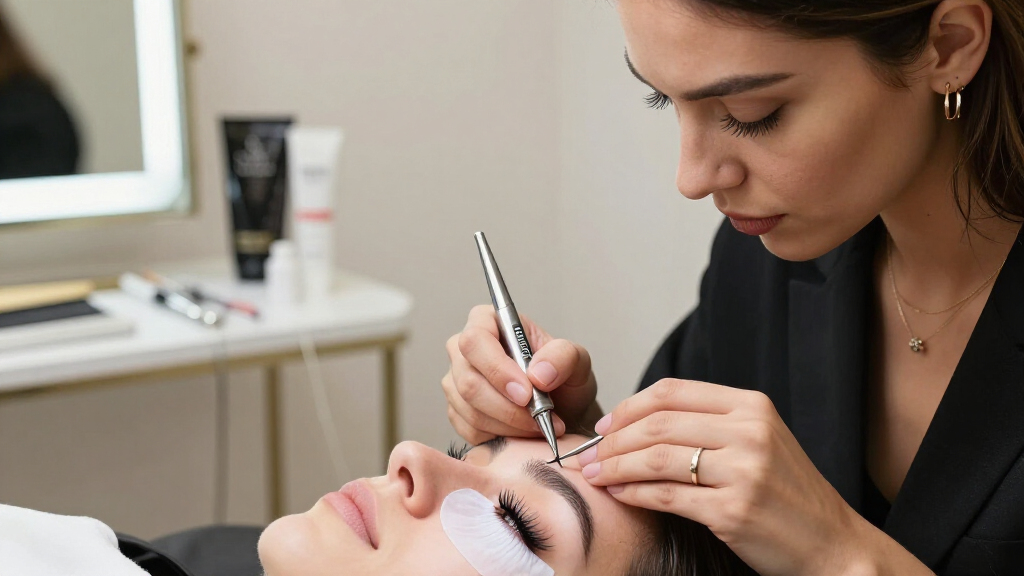
TAD Beauty, a beauty brand specializing in innovative lash products, has unveiled a new line of 3D-printed lash extensions designed specifically for DIY application. This development aims to empower consumers to apply professional-quality lashes at home, challenging traditional salon-based extensions. The launch marks a notable shift towards accessible, customizable lash solutions driven by advanced manufacturing technology.

Get beauty and skincare favorites delivered free with Prime
- Fast, free delivery on millions of items
- Prime Video, Amazon Music and more included
- Member-only deals all year
Industry experts note that 3D printing in cosmetics is a growing trend, with potential benefits such as rapid prototyping, customization, and reduced waste. However, it remains to be seen how well these lashes perform in terms of durability, comfort, and safety over time. TAD Beauty emphasizes that their product is intended for single or limited use and recommends proper hygiene practices for users.
Potential Impact on the Lash Industry
This launch could significantly influence the DIY beauty market by making professional-looking lash extensions more accessible and affordable. If successful, it may prompt other brands to adopt similar 3D printing technologies, accelerating innovation in cosmetic manufacturing. For consumers, this could mean more personalized, convenient lash options and a shift away from traditional salon services. However, the long-term safety, efficacy, and market acceptance of 3D-printed lashes are still uncertain, and regulatory considerations could also come into play.
Products Worth Considering

Levoit Eleva 300X Air Purifier with Sealed HEPA Filtration

Therabody Theragun Relief Massage Gun, 3-Speed, Navy

Hyperice Hypervolt Go 3 Portable Percussion Massage Gun
As an affiliate, we earn on qualifying purchases.
Emerging Trends in DIY Beauty Technologies
Over recent years, the beauty industry has seen a surge in DIY-oriented products driven by advancements in technology and a desire for cost-effective, personalized options. Companies like TAD Beauty are exploring 3D printing as a means to produce complex, customizable cosmetic products rapidly. This approach aligns with broader trends toward at-home beauty solutions and the digital transformation of cosmetics manufacturing. Prior to this, most lash extensions were applied professionally in salons, with limited options for consumers to replicate the look at home.
“Our new 3D-printed lash clusters are designed to give consumers a professional-quality look with the ease of DIY application. We see this as a game-changer for at-home beauty.”
— TAD Beauty spokesperson
Unverified Aspects of Product Performance and Safety
While TAD Beauty has announced the product launch, it is not yet clear how durable, comfortable, or safe the 3D-printed lashes will be over extended use. Regulatory approval processes and long-term consumer testing are still pending. Additionally, details about the materials used and their safety for sensitive skin have not been fully disclosed, raising questions about potential allergenicity or irritation.
Next Steps for Market Adoption and Evaluation
Following the launch, TAD Beauty plans to release detailed user guides and safety information. The company is likely to initiate consumer trials and gather feedback to refine the product. Industry observers will watch for reviews from early adopters and potential regulatory developments. A broader market response, including competitors exploring similar technologies, is expected to unfold over the coming months.
Key Questions
How easy is it to apply TAD Beauty’s 3D-printed lash clusters at home?
The company claims that the lashes are designed for straightforward application, but user experience may vary based on individual skill and familiarity with lash application techniques.
Are these 3D-printed lashes safe for sensitive skin?
Details about the materials used have not been fully disclosed. TAD Beauty recommends following hygiene practices and conducting patch tests before full application.
How long do these lash extensions last?
Official durability claims have not yet been published. The product is intended for limited or single-use applications, similar to traditional cluster lashes.
Will this technology be available globally?
Initial launches are expected in select markets, with potential expansion depending on regulatory approvals and consumer demand.
Could 3D-printed lashes replace salon extensions?
While they offer a convenient DIY alternative, it remains uncertain whether they can fully replicate the longevity and professional finish of salon-applied lashes.
Source: rss