TL;DR

Get beauty and skincare favorites delivered free — and shop member deals
- Fast, free delivery on millions of items
- Access to Prime Big Deal Days deals on October 6–7
- Prime Video, Amazon Music and more included
A Glamour UK first-person essay argues that maximalist nail art can express Black womanhood and honor the Black women who shaped nail culture. It appeared amid renewed debate over bare nails after the BBC removed an article that connected the trend to white supremacist beauty standards. The piece also records disagreement: some welcome expressive styles, while others reject the cost and upkeep associated with elaborate manicures.
Glamour UK has published a first-person essay in which a writer describes maximalist nail art as a tribute to Black womanhood and cultural expression, amid an online debate over bare nails and the clean-girl beauty trend. The discussion intensified after the BBC removed an article suggesting that the bare-nail look could “perpetuate white supremacist standards of beauty,” according to the Glamour report.
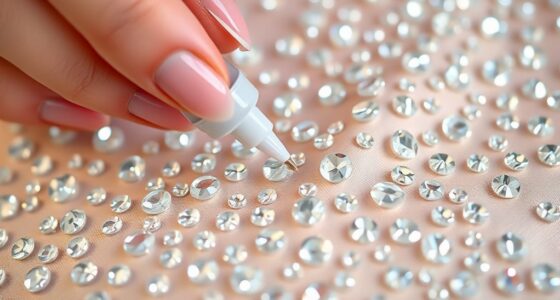
The essay’s writer says long, decorated manicures are a personal form of self-expression and a way to pay homage to Black women who helped make nail styles part of a wider visual culture. She describes designs featuring 3D details, chrome and gems, and says compliments from strangers and family members make the nails a way to connect with others. These are the writer’s personal reflections, not claims that all Black women share the same experience or view.
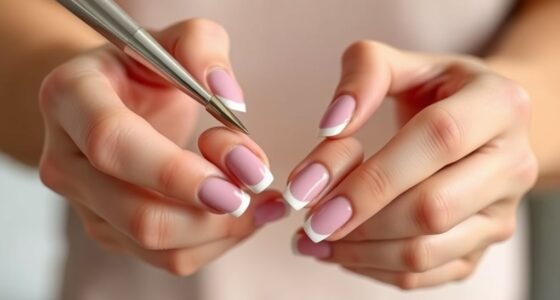
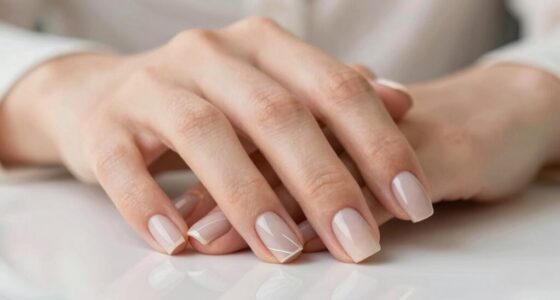
The article places that perspective against a wider shift toward short, neutral or “barely there” nails, including Japanese manicures and treatments described as “BB cream” and rosehip oil nails. It reports that these looks have been prominent in social media feeds and salons. Beauty journalist Kristin Rodulfo told the BBC the trend “really promotes blankness and this kind of sameness and erasure of culture and identity that is so important to black and brown communities.”
The response is not presented as unanimous. Some people associate clean-girl and quiet-luxury styles with restraint and pressure to conform; others welcome a move away from elaborate manicures because of the time and expense involved. The writer says she would not blame anyone for choosing not to spend heavily on salon appointments. The essay also includes nail artist Lottie, who says she develops designs around clients’ personal inspirations, and Mylee ambassador Tinu Bello, who describes maximalist beauty as gaining attention after years of pared-back styles.
Nail Trends and Cultural Expression
The debate shows how a beauty choice can carry meanings beyond appearance. For the essay’s writer, elaborate nails connect personal style with Black cultural history; for others, minimalism may be a matter of preference, practicality or budget. The disagreement matters because labels such as “elegant” and “tasteful” can shape which styles are treated as acceptable or fashionable, though the article does not establish that every person who favors neutral nails shares a particular motive.
The discussion also recognizes the contribution of Black, Latina and Asian communities to nail-art traditions and the aesthetics that have influenced modern nail culture. Treating those histories as part of the conversation helps readers understand why some see the popularity of minimalist styles as culturally significant, rather than simply a seasonal change in salon preferences.
As an affiliate, we earn on qualifying purchases.
From Salon Style to Online Debate
The Glamour essay links the renewed discussion to the BBC’s removal of an article about whether bare nails could reinforce white supremacist beauty standards. The supplied report does not give the BBC article’s publication date, the reason it was removed, or the BBC’s own explanation. The removal and the disputed wording are reported by Glamour and should not be treated as proof that the article’s argument was established.
Alongside the debate, the writer traces her own changing manicure style, from simple acrylics as a school student to ornate, customized designs. She says current minimalist looks have dominated her feeds, while Bello sees signs of growing interest in bolder nail art. Her account offers a personal perspective on the trend, rather than measured data about salon bookings or consumer preferences.
““Maximalism in beauty is having a real main character moment. After years of pared-back, neutral nails, people are clearly craving something expressive and bold.””
— Tinu Bello, senior Mylee ambassador, quoted by Glamour UK
As an affiliate, we earn on qualifying purchases.
What the Debate Cannot Establish
The source does not explain why the BBC removed its article, whether the BBC plans to publish a replacement, or how the broadcaster responded to the controversy. It also gives no survey, salon data or other measurement showing how widely minimalist or maximalist manicures are being chosen. Bello’s view that maximalism is gaining attention is an attributed assessment, not a quantified trend.
The article presents competing interpretations of beauty standards but does not establish a single motive behind either style. Individual choices may reflect cultural identity, personal taste, cost, convenience or other factors. The writer’s account should be read as a personal essay, not as a representative account of Black women’s views.
As an affiliate, we earn on qualifying purchases.
The Next Turn in Nail Trends
The source does not identify a scheduled follow-up from the BBC, Glamour or the beauty brands and artists quoted. The immediate next development is likely to be continued public discussion of the removed article and the cultural meanings attached to minimalist and maximalist manicures, but the report does not specify a timeline or any planned decision.
Whether salon and social-media preferences shift toward more elaborate designs remains unconfirmed. Bello’s comments suggest renewed interest, while the writer’s observations describe what she sees in her own feeds and appointments. Further reporting would be needed to establish whether that interest is reflected in broader consumer behavior.
As an affiliate, we earn on qualifying purchases.
Key Questions
What is the Glamour UK essay about?
It is a first-person account of the writer’s maximalist nail art and her view that the style connects her to Black womanhood and cultural expression. It also discusses the debate over bare nails and minimalist beauty.
What prompted the renewed discussion?
Glamour reports that the debate intensified after the BBC removed an article suggesting bare nails could perpetuate white supremacist beauty standards. The source does not provide the BBC’s explanation for removing it.
Does the article say everyone should wear maximalist nails?
No. The writer describes her own preference and says she would not blame anyone for avoiding elaborate manicures because of the time and cost. The essay records differing views rather than prescribing one style.
Is maximalist nail art becoming more popular?
Tinu Bello says interest in expressive beauty is growing, and the writer describes seeing bold designs online. The source provides no market or salon data to confirm how widespread that change is.
Source: rss
Halloween Picks
halloween
As an affiliate, we earn on qualifying purchases.