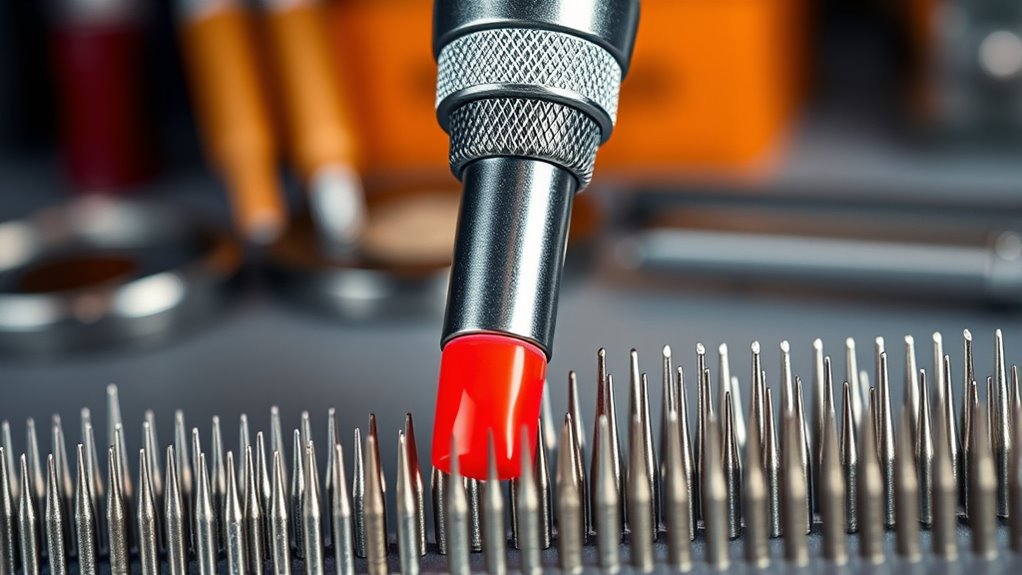

Removing acrylic nails by hand filing is slow, dusty, and rough on your natural nails, which is exactly why an efile drill is the tool that changes the routine. The right model lets you thin out an acrylic overlay safely, work near the cuticle with control, and finish the job in a fraction of the time. But not every drill handles acrylic removal equally well — the real differences come down to torque, top speed, heat management, and run time, and those factors decide whether the drill chews through a full set or bogs down halfway through.

Get beauty and skincare favorites delivered free with Prime
- Fast, free delivery on millions of items
- Prime Video, Amazon Music and more included
- Member-only deals all year
In this comparison, the Makartt 35,000 RPM Professional Nail Drill stands out as my top pick for serious acrylic removal thanks to its high-torque 60W coreless motor and genuinely cordless design. The COSLUS C40 makes the most sense for value-focused buyers who want a complete kit without the professional price, while the MelodySusie SC300F is the friendliest entry point for beginners still learning hand control. Below, I break down where each one wins, where each one falls short, and which tradeoffs actually matter depending on how often you remove acrylic.
Complete the kit


Key Takeaways
- Torque matters more than top speed for acrylic removal — the Makartt‘s 60W coreless motor keeps speed stable under pressure, while lighter motors slow down when you press into a thick overlay.
- Cordless models (Makartt 14 hrs, SC300F 8–12 hrs) free you from outlets during full-set removals, but the USB-powered PC120I trades portability for a 20-minute duty cycle.
- The COSLUS C40 is the only pick that includes 31 sanding bands, making it the cheapest way to get a full acrylic removal consumables kit out of the box.
- Beginners should prioritize low vibration and fine speed control (SC300F) over raw RPM, since control errors — not slow motors — cause most acrylic removal damage.
- All four accept standard 3/32″ bits, so long-term cost depends on consumables and motor durability rather than the drill body itself.
| Makartt Professional Nail Drill 35,000 RPM |  | Best Overall | Max Speed: 35,000 RPM | Motor: 60W coreless | Speed Control: Stepless with forward/reverse | VIEW ON AMAZON | See Our Full Breakdown |
| COSLUS C40 Electric Nail Drill |  | Best Value | Model: C40 | Drill Bits Included: 6 | Sanding Bands Included: 31 | VIEW ON AMAZON | See Our Full Breakdown |
| MelodySusie USB Nail Drill PC120I |  | Best Compact Travel Pick | Max Speed: 20,000 RPM | Motor: Rotary motor, low heat/noise/vibration | Bit Size: 3/32″ standard shank | VIEW ON AMAZON | See Our Full Breakdown |
| MelodySusie Clip-On SC300F Cordless Nail Drill |  | Best for Beginners | Max Speed: 30,000 RPM | Motor: Carbon brush, 300 gf·cm torque | Speed Control: Stepless with forward/reverse | VIEW ON AMAZON | See Our Full Breakdown |
| efile drills for acrylic removal | Motor | Speed Control | Max Speed | Battery |
|---|---|---|---|---|
| Makartt Professional Nail Dril | 60W coreless | Stepless with forward/reverse | 35,000 RPM | 2500mAh, up to 14 hours per charge |
| COSLUS C40 Electric Nail Drill | Upgraded, low noise, low heat | Adjustable precise speed dial | — | — |
| MelodySusie USB Nail Drill PC1 | Rotary motor, low heat/noise/vibration | Adjustable, single-button operation | 20,000 RPM | — |
| MelodySusie Clip-On SC300F Cor | Carbon brush, 300 gf·cm torque | Stepless with forward/reverse | 30,000 RPM | 4000mAh, 8–12 hours use, 3-hour charge |
More Details on Our Top Picks
Makartt Professional Nail Drill 35,000 RPM
When the job is specifically chewing through a full set of acrylics, this is the drill I would put at the top of the list. The 60W coreless motor with up to 35,000 RPM is the standout here — that combination means the bit keeps spinning at a steady speed even when you lean into a thick overlay, which translates to faster removal with less heat buildup on the nail plate. Compared with the COSLUS C40, the difference is noticeable in how the two drills behave under pressure: the Makartt holds its speed, while lighter motors tend to slow and grab.
The 2500mAh battery delivering up to 14 hours of cordless use is the other big differentiator. For a nail tech doing back-to-back acrylic removals, that means never hunting for an outlet mid-appointment, and the charging base doubles as a stable desktop dock with a handpiece holder. The LCD showing real-time RPM and battery level is more useful than it sounds — consistent RPM is how you avoid burning the client’s nail, and being able to see the number keeps your technique repeatable. UL, FCC, CE, and RoHS certifications also point to a more rigorous build standard than the typical budget drill.
It isn’t flawless. The included 6 bits and 6 sanding bands run out fast if you’re removing acrylics regularly, so budget for refills in a way you wouldn’t with the COSLUS C40’s 31 bands. And all that power is honestly overkill for someone doing one removal a month on their own nails — for that buyer, the SC300F covers the same basics at a lower commitment.
Pros:- 60W coreless motor maintains speed under load for fast, low-heat acrylic removal
- Up to 14 hours of cordless run time with a charging base for desktop use
- LCD with real-time RPM and battery level keeps technique consistent
- Low noise and vibration engineered for long sessions
Cons:- Only 6 sanding bands included, which depletes quickly with regular acrylic removal
- More power and features than casual users need
Best for: Nail techs and frequent acrylic wearers who need fast, cool, back-to-back full-set removals
Not ideal for: Casual home users doing occasional removals who won’t use the extra power or battery capacity
- Max Speed:35,000 RPM
- Motor:60W coreless
- Speed Control:Stepless with forward/reverse
- Battery:2500mAh, up to 14 hours per charge
- Display:LCD showing RPM, battery, direction
- Bits Included:6 drill bits, 6 sanding bands
- Power Mode:Cordless or charging-base wired operation
- Certifications:UL, FCC, CE, RoHS
Our verdict“The most capable acrylic remover of the group — buy it if removal speed, heat control, and all-day battery matter; skip it if you file your nails once a month.”
COSLUS C40 Electric Nail Drill
The C40 earns the value slot for one simple reason: it’s the only drill in this lineup that arrives genuinely ready for acrylic removal without an immediate shopping trip. With 6 drill bits plus 31 sanding bands in the box, you can thin down overlay after overlay before needing refills — compare that to the Makartt’s 6 bands, which a single full-set removal can nearly exhaust. For a home user, that consumables head start is real money saved.
The pen-shaped, lightweight handpiece is the other reason to pick it over the Makartt. A slim pen grip gives finer control when you’re working close to the cuticle on a thinning acrylic edge, and that matters for accuracy more than raw power does at home. The precise speed dial and forward/reverse rotation make it equally friendly for left- and right-handed filing, and the upgraded motor’s low-heat, low-noise operation means you can work slowly and carefully without the handpiece warming up in your grip.
The honest tradeoff is durability under professional demand. The bits and bands are consumer-grade and will wear out faster than salon-quality consumables, and the motor, while improved, isn’t built for eight client removals a day the way the Makartt’s 60W coreless unit is. It’s also wired, so you’re tethered to an outlet — unlike the Makartt or the clip-on SC300F. For a DIYer removing their own acrylics every few weeks, none of that matters much.
Pros:- 31 sanding bands included — far more acrylic removal capacity than any other pick here
- Lightweight pen-style handpiece offers fine control near cuticles
- Precise speed dial with forward/reverse suits both hands
- Quiet, low-heat motor for careful, unhurried removal
Cons:- Included bits and bands are consumer-grade and wear out with heavy use
- Wired design limits where you can work compared with cordless rivals
Best for: Budget-conscious home users who want a complete acrylic removal kit out of the box
Not ideal for: Salon professionals who need motor and consumable durability for daily client work
- Model:C40
- Drill Bits Included:6
- Sanding Bands Included:31
- Speed Control:Adjustable precise speed dial
- Rotation:Forward and reverse
- Design:Pen-shaped, lightweight and portable
- Motor:Upgraded, low noise, low heat
Our verdict“The smartest spend for occasional DIY acrylic removal — you give up professional-grade muscle but get everything you need in one box.”
MelodySusie USB Nail Drill PC120I
The PC120I occupies a different niche than the other three: it’s the drill you throw in a bag. The compact USB-powered design means you can run it from a laptop, power bank, or any USB adapter, which is genuinely useful for touch-ups, travel, or doing a friend’s acrylic removal away from home. None of the other picks offer that flexibility — the Makartt and SC300F are cordless but still need their own chargers, and the COSLUS needs a wall outlet.
Performance-wise, the 20,000 RPM motor with a 3/32″ bit fitting handles acrylic, builder gel, dip powder, and thick natural nails competently, but it’s the least powerful option here. Compared with the Makartt’s 60W coreless motor, the PC120I will take longer on a thick full set, and you’ll need to work in shorter passes. The low-heat, low-noise, low-vibration motor with smart heat dissipation partially compensates — but the manufacturer’s own guidance to rest the machine after 20 minutes of continuous use tells you this is built for intermittent work, not marathon removal sessions.
Single-button control for speed and direction keeps it simple, and the forward/reverse function works for left-handed users. What you’re really accepting is a duty-cycle limitation: fine for one set of acrylics removed patiently, wrong for a salon schedule. If your removal needs are occasional and portability ranks high, this is the pick; if you remove acrylic weekly, spend up for the Makartt or C40.
Pros:- USB power works with adapters, laptops, and power banks anywhere
- Standard 3/32″ bit compatibility accepts any acrylic removal bit
- Low heat, noise, and vibration for gentle, controlled filing
- Genuinely lightweight and pocketable
Cons:- Requires a rest after 20 minutes of continuous use
- Lowest top speed in the lineup means slower removal on thick acrylic
Best for: Travelers and occasional users who want a light, USB-powered drill for infrequent acrylic removal
Not ideal for: Anyone removing full acrylic sets regularly — the 20-minute duty cycle and 20,000 RPM ceiling slow you down
- Max Speed:20,000 RPM
- Motor:Rotary motor, low heat/noise/vibration
- Bit Size:3/32″ standard shank
- Speed Control:Adjustable, single-button operation
- Rotation:Forward/reverse
- Power:USB-powered
- Duty Cycle:Rest after 20 minutes of continuous use
Our verdict“A capable compact drill for on-the-go touch-ups and patient occasional removal — not a workhorse for full acrylic sets.”
MelodySusie Clip-On SC300F Cordless Nail Drill
The SC300F is built around one idea: making an acrylic removal beginner feel in control. The clip-on body design is unique in this lineup — you attach it at the waist and file with just the lightweight handpiece in hand, which reduces the cable drag and awkward positioning that cause wobbly strokes when you’re still learning. That’s a real ergonomic difference from the COSLUS C40, which keeps the control box on your table and the cable in your way.
Speed and feedback are where it earns the beginner label. The 30,000 RPM carbon brush motor with stepless speed control gives you plenty of headroom for acrylic, but the LED display showing speed, direction, and battery level means you can start slow, watch the number, and creep up as your confidence grows. The 300 gf·cm torque keeps the bit from stalling on gel and acrylic, and the large ventilation holes manage heat during a careful first removal. The 4000mAh battery good for 8–12 hours per charge is generous for a student or home learner.
Where it falls short of the Makartt is motor class: a carbon brush motor is an entry-level design that will wear over years of heavy use, where the Makartt’s coreless unit is built for salon volume. MelodySusie also positions this as a starter kit, so you’ll want to add beginner-friendly diamond bits and sanding bands separately — the safer, lower-heat options the brand recommends for learners. If you’re a student building skills or removing your own acrylics carefully at home, those limitations barely register.
Pros:- Clip-on design removes cable drag for steadier beginner strokes
- LED display shows speed, direction, and battery for controlled learning
- 8–12 hours of battery life on a 3-hour charge
- Stepless speed control lets you start slow and scale up safely
Cons:- Carbon brush motor is less durable than the coreless Makartt for long-term heavy use
- Beginner-appropriate bits and bands sold separately
Best for: Beginners, students, and home learners who want feedback, portability, and gentle control while building efile skills
Not ideal for: Experienced techs who need coreless motor durability and maximum sustained torque
- Max Speed:30,000 RPM
- Motor:Carbon brush, 300 gf·cm torque
- Speed Control:Stepless with forward/reverse
- Battery:4000mAh, 8–12 hours use, 3-hour charge
- Display:LED showing speed, direction, power level
- Design:Clip-on waist attachment with handpiece
- Colors:Pink, purple, white
Our verdict“The most forgiving drill here for learning acrylic removal safely — just plan to outgrow it if you go professional.”

How We Picked
Because acrylic is one of the hardest products an efile has to cut through, I judged each drill primarily on motor power and speed stability under load, not just the advertised RPM number. A drill that drops speed the moment you press it into a thick overlay generates more heat and takes longer, which is worse for the natural nail underneath. I then weighed heat and vibration control, since acrylic removal sessions run long and a hot, buzzing handpiece is where mistakes happen.
Run time and power source were the next filter. Cordless operation matters if you do multiple sets back to back, while a wired or USB-powered drill suits occasional home use. Finally, I looked at what comes in the box: acrylic removal burns through sanding bands quickly, so a kit with plenty of consumables offsets the real cost of ownership. I did not factor in price, ratings, or popularity — only how each drill performs the specific job of removing acrylic safely and efficiently.
| efile drills for acrylic removal | Speed Control | Display | Rotation | Design |
|---|---|---|---|---|
| Makartt Professional Nail Dril | Stepless with forward/reverse | LCD showing RPM, battery, direction | — | — |
| COSLUS C40 Electric Nail Drill | Adjustable precise speed dial | — | Forward and reverse | Pen-shaped, lightweight and portable |
| MelodySusie USB Nail Drill PC1 | Adjustable, single-button operation | — | Forward/reverse | — |
| MelodySusie Clip-On SC300F Cor | Stepless with forward/reverse | LED showing speed, direction, power level | — | Clip-on waist attachment with handpiece |
Factors to Consider When Choosing Efile Drills For Acrylic Removal
Before picking a drill, it helps to understand what actually makes acrylic removal go well — and where the specs on the box translate into real-world results.Torque and RPM: why both matter
Acrylic is harder than gel or dip powder, so a drill needs sustained torque to keep the bit cutting instead of skating across the surface. High RPM with weak torque feels fast but stalls under pressure, generating heat. That’s why the Makartt’s 60W coreless motor ranks above higher-RPM rivals with lighter motors — speed that holds steady under load is what removes acrylic quickly and safely.
Heat management protects your nail plate
The most common acrylic removal injury isn’t cutting — it’s burning from a bit that gets too hot. Look for ventilation, smart heat dissipation, and low-vibration engineering. Duty cycle matters too: the PC120I’s 20-minute rest requirement is fine for one set but limiting for back-to-back work.
Corded, cordless, or USB
Cordless drills like the Makartt and SC300F suit multi-set days and mobile techs. USB power (PC120I) offers unmatched flexibility but caps motor output. A wired drill like the COSLUS C40 is the most affordable route to solid performance if you work near an outlet.
Bits and consumables are the hidden cost
Every drill here uses standard 3/32″ shank bits, so you’re never locked in. But acrylic removal eats sanding bands — the COSLUS C40’s 31 included bands give it a genuine cost advantage over kits shipping only 6. Factor refills into the real price of any pick.
Match the drill to your skill level
Beginners benefit from displays showing exact RPM, stepless control, and low vibration — features that make the SC300F forgiving while you build hand control. Experienced users can exploit the full power of the Makartt without the same risk of slipping.
Frequently Asked Questions
What speed should I use to remove acrylic nails with an efile?
Most acrylic removal works best in the 10,000 to 20,000 RPM range, though thick overlays may need more. Speed matters less than technique: keep the bit moving in smooth passes, never hold it in one spot, and let the abrasive do the work rather than pressing hard. If you feel heat building on the nail, slow down or pause — heat is the main cause of nail plate damage during removal. Starting lower and increasing gradually is the safest approach while you learn how your drill responds.
Can a beginner safely use an efile on acrylic nails?
Yes, with the right drill and a cautious approach. Beginners should choose a model with stepless speed control and an RPM display, like the MelodySusie SC300F, so they can see exactly how fast the bit is spinning and work up gradually. Softer consumables such as diamond cuticle bits and standard sanding bands generate less heat than aggressive carbide bits, giving you more room for error. Practice on a spare tip or an old set before filing near your own cuticles, and always file across the acrylic in passes rather than digging at it.
Is a cordless efile better than a corded one for acrylic removal?
It depends on where and how often you work. Cordless models like the Makartt (up to 14 hours) and SC300F (8–12 hours) free you from outlets, which is genuinely valuable for mobile techs or anyone doing multiple removals in a session. For occasional home use near a desk, a corded drill offers the same performance at a lower cost and never needs charging. Cordless convenience is worth paying for only if portability or session length actually demands it.
Why does RPM alone not tell me how good a drill is for acrylic?
RPM is a ceiling, not a guarantee. A drill rated at 35,000 RPM with a weak motor will still stall when pressed into a thick acrylic overlay, while a torquier motor at a lower speed cuts more consistently. That’s why I weighed the Makartt’s 60W coreless motor heavily — coreless designs maintain speed under load and run smoother, which translates directly into faster, cooler acrylic removal. When comparing drills, look at motor wattage and torque figures alongside the RPM number.
Which bits should I use for acrylic removal?
For thinning and removing the bulk of acrylic, a coarse carbide barrel bit or a ceramic bit removes product efficiently with less heat than sanding bands alone. Sanding bands on a mandrel are the classic choice for beginners because they’re forgiving and cheap to replace — ideal for the final passes close to the natural nail. For finishing near the cuticle, switch to a fine bit or a finer-grit band so you don’t nick the skin. All four drills in this comparison accept standard 3/32″ shanks, so any quality bits will fit.
Conclusion
Choosing among these four comes down to how much acrylic you remove and how experienced your hands are. Salon techs and heavy users should go straight to the Makartt 35,000 RPM — its coreless motor and 14-hour battery are built for exactly this workload. Budget-minded home users get the best deal from the COSLUS C40, whose 31 included sanding bands make it a complete acrylic removal kit on day one. Beginners and students will learn fastest on the MelodySusie SC300F, where the RPM display and clip-on design make controlled practice easier. And if your priority is portability for occasional touch-ups, the MelodySusie PC120I’s USB power and compact body fill a niche none of the others cover. Whatever you pick, pair it with quality bits, work in light passes, and let heat — not speed — be your guide to stopping.
Evergreen bestsellers Picks
bestsellers
As an affiliate, we earn on qualifying purchases.