After gel removal, your nails can become soft and thin if you don’t take proper care. To prevent further weakness, avoid harsh removal methods, gently hydrate with oils like cuticle or olive oil, and protect your nails from harsh chemicals and water. Focus on nourishing your nails with a healthy diet rich in biotin, vitamins, and protein. Consistent care helps restore strength—stick around to discover effective tips to revive your nails quickly.
Key Takeaways
- Use gentle filing and proper soaking methods to minimize nail dehydration and avoid further weakening.
- Regularly apply nourishing cuticle oils and moisturizers to restore hydration and strengthen nails.
- Incorporate biotin-rich foods and supplements to support keratin production and nail resilience.
- Protect nails from harsh chemicals, excessive water, and physical trauma with gloves and careful handling.
- Avoid aggressive removal techniques like peeling or drilling to prevent additional damage and thinness.

Onyx Professional Hard as Hoof Nail Strengthening Cream, Island Coconut Scent – Nail Growth and Conditioning Cuticle Cream Stops Splits, Chips, Cracks & Strengthens Nails, 1 oz
Stronger, Healthier Nails: Say goodbye to thin, brittle, soft or fragile nails with Hard as Hoof Nail Strengthening…
As an affiliate, we earn on qualifying purchases.
As an affiliate, we earn on qualifying purchases.
Understanding Why Nails Become Fragile After Gel Removal

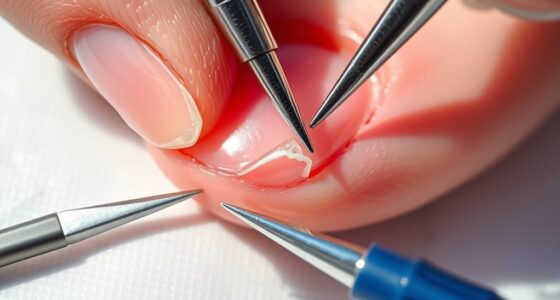
After removing gel nails, your natural nails often feel weak and brittle because the gel can dehydrate and strip away essential moisture and keratin. This weakening occurs because the nail structure is compromised during gel removal. Techniques like soaking in acetone or scraping can damage the delicate layers of your nails if done improperly. Harsh removal methods can break down keratin bonds, leaving your nails fragile and thin. The dehydration caused by gel removal also reduces elasticity, making nails more prone to splitting or peeling. Understanding how gel removal techniques affect your nail structure helps you choose gentler methods. Proper removal minimizes damage, preserves moisture, and supports healthier nail growth after your gel manicure.

Nature's Bounty Biotin Hair Skin and Nails Vitamins, Supports Healthy Hair, Skin and Nails, 10,000 mcg, 120 Softgels (Pack of 1)
SUPPORTS HEALTHY HAIR (1): Biotin helps maintain healthy hair; providing essential nutrients crucial for beautiful hair (1)
As an affiliate, we earn on qualifying purchases.
As an affiliate, we earn on qualifying purchases.
Recognizing the Signs of Nail Damage and Weakness
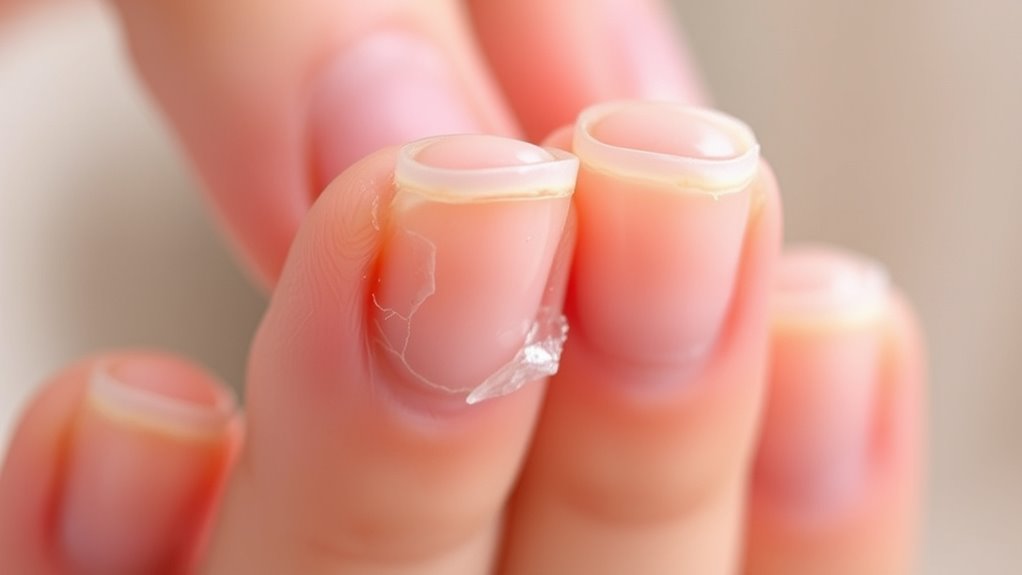
When your nails start to feel weak or look damaged after gel removal, it’s important to recognize the signs early. Changes in nail health often manifest as peeling, cracking, or brittleness. You might notice ridges or dents forming on the surface, indicating underlying damage. Discoloration, such as yellowing or dullness, can also signal compromised nail health. If your nails feel tender or sore to the touch, it’s a clear sign they’re weakened. Pay attention to any increased brittleness or splitting, which suggests your nails are struggling to maintain their strength. Recognizing these damage signs early helps you take proper steps to care for your nails and prevent further damage, ensuring they recover and regain their natural strength. Additionally, understanding the factors that contribute to nail damage from gels can help you prevent future issues.

Probelle Hydrating Base Coat for Dry and Brittle Nails, Instant Moisturizer, Nourishes and Soothes Nails with a Healthy Glow, Extends Polish Life, Ideal for Dehydrated, Rough, Breaking Nails
HYDRATING FORMULA: Infused with Vitamin E, Raspberry, and Radish Root to deeply moisturize and nourish dry, brittle, and…
As an affiliate, we earn on qualifying purchases.
As an affiliate, we earn on qualifying purchases.
Immediate Care Steps to Strengthen Your Nails Post-Removal
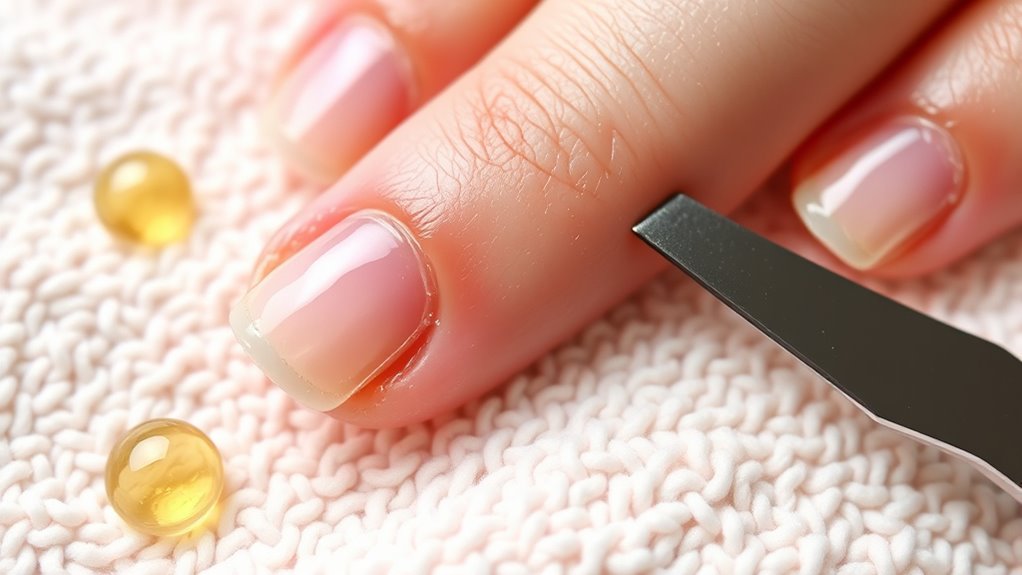
After removing gel, your nails need extra care to regain strength. Regularly moisturizing and applying nourishing oils can help repair damage, while avoiding harsh chemicals protects your nails from further harm. These simple steps set the foundation for healthier, stronger nails moving forward. Additionally, avoiding exposure to excessive moisture and harsh cleaning agents can prevent further weakening of your nails nail health maintenance.
Moisturize Regularly
Moisturizing your nails regularly is essential for restoring their strength and flexibility after gel removal. Proper hydration supports healthy cuticle care and prevents dryness that can lead to breakage. Incorporate hydration routines that include applying a nourishing hand cream or cuticle oil, focusing on the nail bed and surrounding skin. Consistent moisture helps improve nail elasticity and reduces brittleness. Keep your hands and nails moisturized throughout the day, especially after washing your hands or exposure to harsh elements. Avoid neglecting your cuticles, as they protect the nail matrix and promote healthy growth. By maintaining a regular moisturizing routine, you’ll support the natural healing process and help your nails regain their strength and smoothness faster.
Use Strengthening Oils
Applying strengthening oils immediately after gel removal can give your nails an essential boost. Nail oils and strengthening serums are packed with nutrients that help repair and nourish weak, thin nails. Gently massage a few drops of these oils into your cuticles and nail beds daily to promote healthy growth. Look for formulas containing ingredients like vitamin E, biotin, or keratin, which reinforce nail structure. Consistent use helps restore moisture and reduces brittleness, making your nails less prone to breakage. These oils penetrate deeply, supporting nail resilience from within. Keep your application routine simple—just a few minutes each day is enough to see improvements. Incorporating nail oils and strengthening serums into your post-manicure care, and combining them with automation technologies, can optimize your nail health routine and enhance overall results over time.
Avoid Harsh Chemicals
Since harsh chemicals can weaken and damage your nails, it’s important to steer clear of products containing acetone, formaldehyde, toluene, and other strong solvents. Chemical exposure from these substances can disrupt your nail pH balance, making nails more fragile and prone to breakage. Choose gentle, acetone-free remover options and avoid nail polishes with toxic ingredients. Maintaining a balanced nail pH helps your nails recover faster and stay healthy. Instead, opt for nourishing base coats and cuticle oils that support your nails’ natural strength. Avoiding harsh chemicals minimizes further damage and allows your nails to rebuild their protective layer. Be mindful of the products you apply, and always prioritize items formulated for delicate or recovering nails. This approach helps prevent thinning and promotes stronger, healthier nails over time.
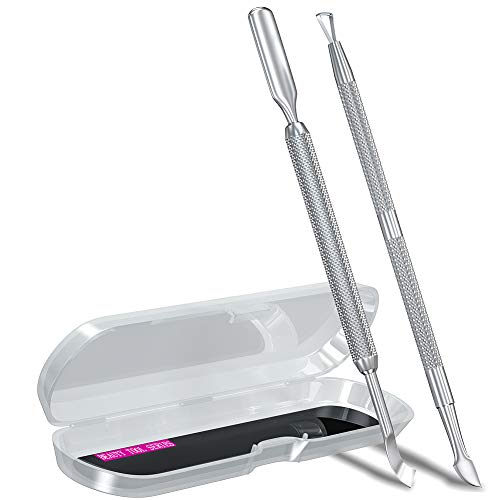
2PCS Metal Silver Cuticle Pusher and Scraper, Nail Trimmer Cutter Stainless Steel Gel Scraper Tool, Nail Polish Remover Peeler Durable Salon Manicure Pedicure Cleaner for Fingernail and Toenail
MULTIFUNCTION PACKAGE: The Cuticle Cleaning and Removal Set consists of 2 pieces of Nail Art Tools with 4…
As an affiliate, we earn on qualifying purchases.
As an affiliate, we earn on qualifying purchases.
The Importance of Proper Nail Removal Techniques

Using proper techniques to remove gel nails is essential for your nail health. You should avoid drilling or peeling, as these can cause damage. Instead, follow gentle soaking methods and be patient to protect your nails from unnecessary harm. Proper removal also helps prevent nail damage, which can lead to weak or soft nails afterward.
Avoid Drilling or Peeling
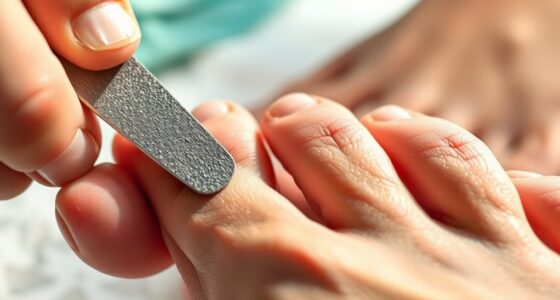
Have you ever considered what happens when you drill or peel off gel nails? These aggressive methods can severely damage your natural nails, leading to weakness, thinning, and even infections. Instead, focus on gentle filing to carefully remove the gel, avoiding aggressive scraping that can harm the nail bed. Patience is key—rushing often causes more harm than good. Remember to prioritize cuticle care, as healthy cuticles support stronger nails. Pushing or peeling gel off can strip away layers of the nail plate, making nails fragile and prone to breakage. By using proper removal techniques, like gentle filing and maintaining cuticle health, you help preserve your nails’ integrity and prevent post-manicure weakness. Incorporating mindful practices, such as proper nail removal techniques, can also reduce stress on your nails and promote overall nail health. Avoid drilling or peeling to keep your nails healthy and strong.
Use Proper Soaking Methods
Proper soaking is essential for safe gel nail removal because it softens the gel, making it easier to gently lift away without damaging your natural nails. Use acetone or an acetone-based remover, and soak cotton balls or pads thoroughly. Wrap each finger with aluminum foil or use a soak-off cap to keep the acetone in contact with your nails, ensuring proper soaking. This process allows the gel to break down, reducing the risk of peeling or ripping. During soaking, focus on nail hydration by applying cuticle oil afterward to restore moisture and strengthen your nails. Avoid rushing or peeling, as improper removal can weaken your nails further. Proper soaking techniques help protect your nail health and keep them strong and healthy after gel removal. Additionally, understanding the importance of natural nail health can guide you in maintaining strong, resilient nails post-removal.
Don’t Rush the Process
Rushing the gel removal process can do more harm than good, often leading to damaged or weakened nails. Avoid the temptation to peel or force off gel polish, as this can strip away healthy layers. Instead, use proper nail polish removal techniques, like soaking cotton balls in acetone and letting them sit on your nails for enough time. Patience is key—hurrying can cause excessive dryness and breakage. During this process, don’t neglect cuticle care; gently pushing back cuticles and moisturizing afterward helps restore nail health. Taking your time ensures the gel is removed safely, minimizing damage. Proper technique and patience protect your nails’ integrity, helping you avoid long-term weakness and promoting healthier nails post-removal. Additionally, employing a gentle filing technique can help remove residual gel without damaging the natural nail surface.
Best Practices for Nail Hydration and Moisturization

After removing gel polish, focusing on nail hydration and moisturization is essential to restore your nails’ health. Regular nail conditioning helps strengthen weak, brittle nails, making them less prone to splitting. Use nourishing oils or creams specifically designed for nail and cuticle care, and apply them daily to keep your nails supple. Gently massaging cuticle oil around your nails improves circulation and encourages healthy growth. Avoid harsh chemicals or excessive water exposure, which can dry out your nails further. Incorporate a good moisturizer into your routine to lock in hydration. Proper cuticle care, including gentle pushback and avoiding aggressive trimming, helps maintain healthy nail beds. Consistent hydration and cuticle attention are key to reversing post-manicure weakness and promoting stronger, more resilient nails. Additionally, maintaining optimal nail health practices can prevent future damage and support long-term nail strength.
Nutritional Tips to Support Nail Health
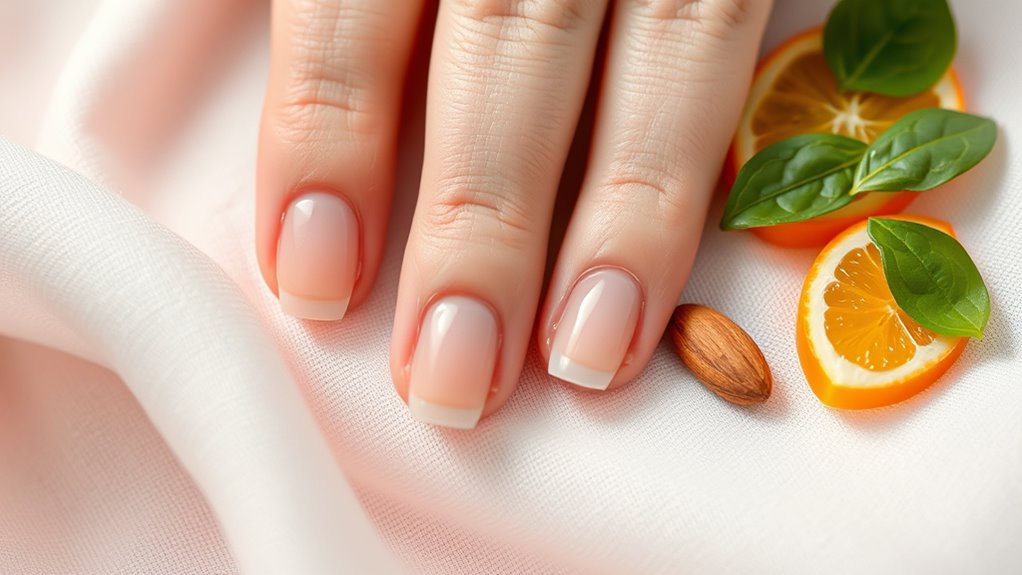
Eating a balanced diet rich in essential nutrients is key to supporting healthy, strong nails. Focus on diet improvements by including foods high in biotin, vitamins A, C, D, and E, as well as zinc and iron, which promote nail strength and growth. Incorporate protein-rich options like eggs, nuts, and lean meats, since keratin, the main component of nails, depends on adequate protein intake. Supplement choices can also help if you’re not meeting your nutritional needs through food alone. Biotin supplements are popular for boosting nail strength, but consult your healthcare provider before adding any new supplements to your routine. Maintaining proper nutrition, including adequate hydration, will also support your nails’ health and help prevent thinness after gel removal.
Effective Home Remedies for Nail Strengthening

To strengthen your nails at home, natural remedies can be highly effective when used consistently. These remedies help nourish and repair weak, thin nails from within. Incorporate dietary supplements like biotin or zinc to promote nail growth and resilience. Additionally, try these natural remedies:
- Apply coconut oil or olive oil daily to hydrate and strengthen nails
- Use a lemon juice soak to brighten and fortify nails
- Incorporate biotin-rich foods into your diet, such as eggs and nuts
- Practice regular nail oil treatments with castor or jojoba oil
- Exploring sound healing science can provide relaxing vibrations that reduce stress, indirectly supporting healthier nail growth.
Consistency is key, so make these habits part of your routine. These natural remedies and dietary supplements work together to improve nail health and prevent future damage, supporting stronger, healthier nails over time.
When to Seek Professional Help for Nail Damage
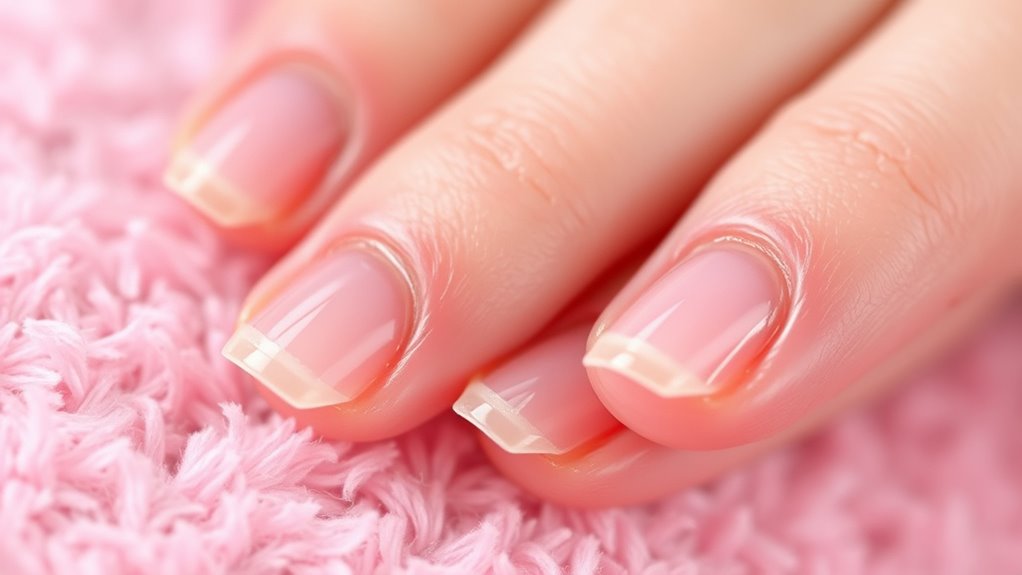
Nail damage that persists despite your home care efforts may require professional evaluation. If your nails remain soft, brittle, or painful after a few weeks, it’s time to consult a pro. When visiting a nail salon, follow proper nail salon etiquette by communicating your concerns clearly. A professional nail repair specialist can assess the damage accurately and recommend appropriate treatments. Don’t ignore persistent issues like separation, cracking, or prolonged discoloration, as these could indicate underlying problems. Seeking help early can prevent further damage and promote healthier nails. Remember, professional intervention is the best way to restore nail strength and health, especially if your routine at-home remedies aren’t effective. Prioritize your nail health by consulting a professional when needed.
Preventative Measures to Keep Nails Healthy Before and After Gel Manicures
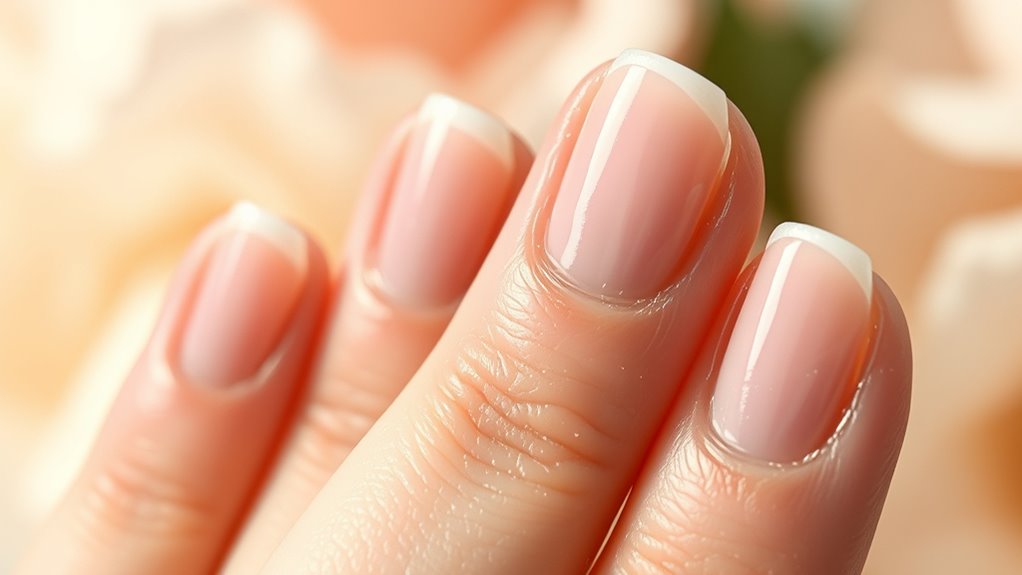
Maintaining healthy nails before and after gel manicures requires consistent care and mindful habits. To prevent damage, focus on nail strengthening and proper cuticle care. Regularly apply a nourishing nail and cuticle oil to keep nails hydrated and flexible. Avoid biting or picking at your cuticles to prevent infections and peeling. Use a gentle, strengthening base coat before applying gel to add a protective layer. Incorporate cuticle oil daily to promote healthy growth and prevent dryness. Limit exposure to harsh chemicals and acetone, which can weaken nails. Wearing gloves during chores also helps protect your nails from damage. By adopting these habits, you’ll support stronger, healthier nails before and after gel manicures.
Frequently Asked Questions
How Long Does It Take for Nails to Fully Recover After Gel Removal?
It usually takes about 4 to 6 months for your nails to fully recover after gel removal. During this time, nail growth steadily replaces damaged or thin nails, revealing healthier tissue underneath. Recovery time varies depending on your nail health and how well you care for them afterward. To speed up recovery, keep your nails moisturized, avoid harsh chemicals, and get regular nail care to support healthy nail growth.
Can Gel Polish Cause Long-Term Damage to My Nail Bed?
Gel polish itself doesn’t usually cause long-term damage to your nail bed if applied and removed properly. However, frequent removal with harsh techniques can lead to nail bed damage and weaken your nails over time. To avoid long-term effects, choose professional removal, avoid excessive buffing, and give your nails breaks between manicures. Proper care guarantees your nails stay healthy and minimizes the risk of long-term damage.
Are There Specific Products That Can Help Rebuild Nail Strength Quickly?
Think of your nails as a fortress needing reinforcement. You can use specific nail rebuilding and strength-boosting products like keratin treatments, nail oils, and fortified base coats. These products work quickly to restore your nails’ resilience. Look for formulas containing biotin, keratin, or calcium, as they help rebuild damaged nails and boost strength. Regular use, paired with a nutritious diet, accelerates recovery and keeps your nails healthy and strong.
What Are the Most Common Mistakes to Avoid During Gel Removal?
When removing gel nails, you should avoid harsh chemicals and make certain you’re using proper removal techniques. Don’t peel or pick at the gel, as this damages your nails. Instead, soak cotton balls in acetone, place them on your nails, and wrap with foil. Be gentle during filing, and don’t rush the process. These steps protect your nails from unnecessary damage and help maintain their strength.
How Often Should I Give My Nails a Break From Gel Manicures?
You should take a break from gel manicures every 2-3 weeks. Think of it as a mandatory spa retreat for your nails—because they need rest to recover. Rushing back into frequent professional manicures without giving your nails a breather can lead to damage. Incorporate nail care routines like moisturizing and strengthening treatments during the break, ensuring your nails stay healthy and ready for their next stylish adventure.
Conclusion
Remember, your nails are like delicate gardens—they need care, patience, and the right nourishment to flourish. After each gel removal, treat them as you would a fragile bloom—gentle hands, proper hydration, and nourishing habits will help them regain strength. With consistent love and care, your nails can rise from the ashes of weakness, resilient and radiant, ready to tell your story of beauty and resilience—like a phoenix reborn from the ashes.