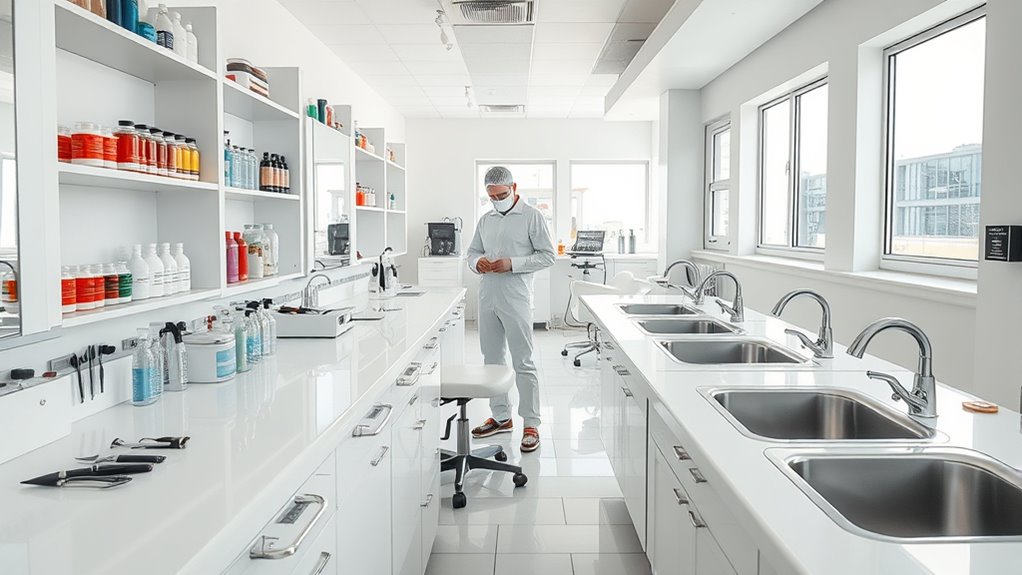

To guarantee your salon is inspection-ready, focus on meeting health and safety regulations by maintaining proper documentation, secure storage of chemicals, and regular sanitation of tools and surfaces. Enforce strict hygiene practices among staff, keep safety equipment in top condition, and conduct routine inspections with thorough records. Staying informed about local standards and safety protocols is key. Keep these areas organized and up to date, and you’ll be prepared to showcase your compliant, safe environment every time.
Key Takeaways
- Ensure compliance with local health codes by maintaining proper documentation and client confidentiality.
- Implement and regularly update hygiene and sanitation protocols for tools, surfaces, and high-touch areas.
- Train staff on personal hygiene, safety procedures, and emergency response to ensure readiness.
- Conduct routine safety inspections, verify equipment maintenance, and keep detailed records of findings and actions.
- Prepare emergency equipment, such as fire extinguishers and first aid kits, and ensure proper lighting and security measures are in place.

Nail Tool Sterilizer with Blue Light,LXIANGN Portable USB Sterilizating Box for Manicure Salon,Tweezers,Tattoo,Scissors,Jewelry,Phone, Watch,Keys
Blue Light for Nail Tool Sterilizer:Our nail tool sterilizer is equipped with a blue light inside.It is easy…
As an affiliate, we earn on qualifying purchases.
As an affiliate, we earn on qualifying purchases.
Understanding Key Health and Safety Regulations for Salons
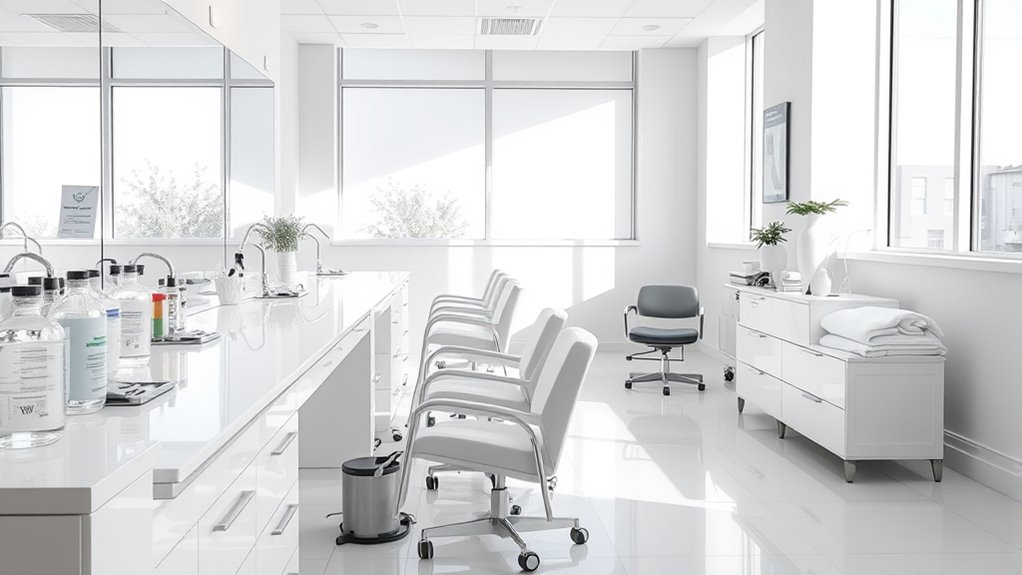
Understanding the key health and safety regulations for salons is essential to guarantee your business meets legal requirements and provides a safe environment for clients and staff. You must prioritize client confidentiality, ensuring personal information remains private and secure, which builds trust and complies with privacy laws. Additionally, maintaining adequate liability insurance protects your business from potential lawsuits related to accidents or client injuries. Being aware of these regulations helps you avoid costly fines and legal issues. Proper documentation, secure handling of client data, and having liability coverage in place are fundamental steps. Staying informed about local health codes and industry standards guarantees your salon operates legally and safely, giving both your clients and staff peace of mind. Regular staff training on health and safety protocols ensures everyone is prepared to uphold these standards consistently.

Kidde, FA110G, Multi Purpose Fire Extinguisher for Home, Office, Dorm, Residential, 1A10BC
Reliable Fire Protection: Stop basic home fires involving trash, wood, paper, liquids, gases, and electrical equipment
As an affiliate, we earn on qualifying purchases.
As an affiliate, we earn on qualifying purchases.
Maintaining a Clean and Sanitary Environment
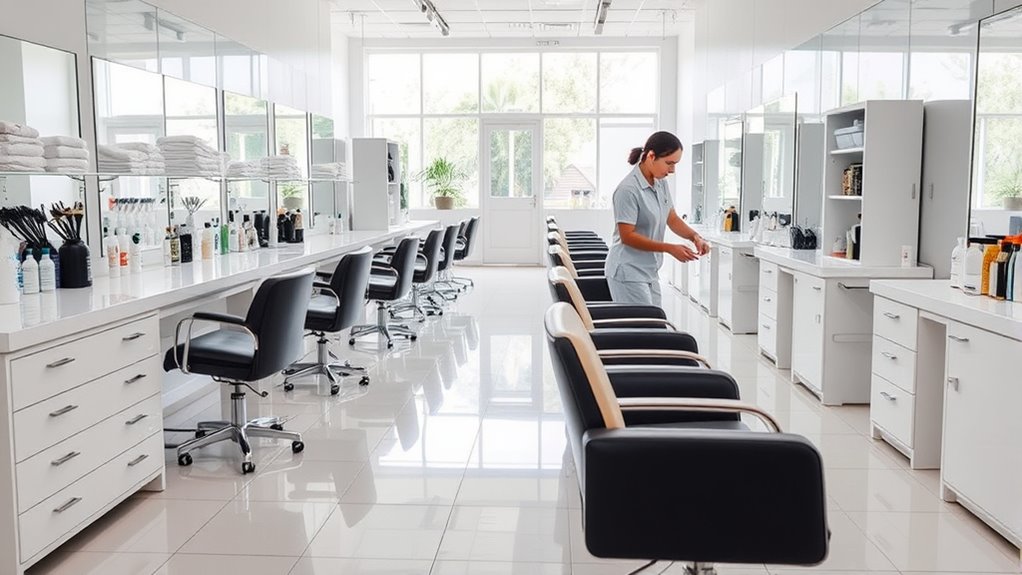
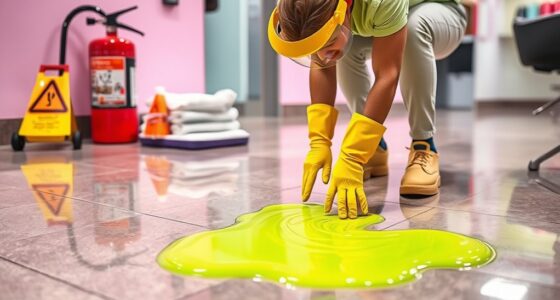
Maintaining a clean and sanitary environment is essential for ensuring the safety of your clients and staff. Regular cleaning schedules help prevent the buildup of bacteria and dirt, reducing health risks. To stay compliant, conduct periodic sanitation audits to identify areas needing improvement. Create a detailed cleaning plan that covers all surfaces, tools, and high-touch areas, and stick to it consistently. Use the table below to track cleaning tasks and audit results:
| Task | Frequency |
|---|---|
| Disinfect workstations | After each client |
| Sanitize tools | Daily |
| Floor cleaning | Daily |
| Restroom sanitation | Multiple times/day |
| Inspection reviews | Weekly |
Additionally, incorporating insights from local culinary practices can inspire innovative cleaning methods that enhance overall hygiene.

First Aid Only 91248 OSHA-Compliant First Aid Kit, All-Purpose 50-Person Emergency First Aid Kit for Business, Worksite, Home, and Car, 260 Pieces
OSHA-Compliant Emergency Kit: Includes supplies including bandages, gauze, butterfly closures, burn cream packets, antibiotic ointment, BZK antiseptic towelettes,…
As an affiliate, we earn on qualifying purchases.
As an affiliate, we earn on qualifying purchases.
Proper Sanitation and Disinfection of Tools and Equipment

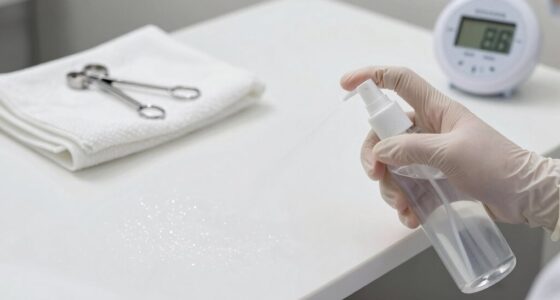
Proper sanitation and disinfection of tools and equipment are critical steps in preventing cross-contamination and ensuring client safety. You must regularly perform tools sterilization to eliminate bacteria, viruses, and fungi. Using appropriate surface disinfectants on all surfaces and tools after each use is essential. Make sure to follow the manufacturer’s instructions for dilutions and contact time to ensure effectiveness. Clean tools thoroughly before disinfection, removing debris and residue. Keep sterilized tools stored in a clean, dry environment to maintain their condition. Incorporating proper maintenance procedures helps prolong the lifespan of your tools and ensures ongoing hygiene standards. Consistent sanitation and disinfection routines demonstrate your commitment to hygiene standards and help meet health inspection requirements. Staying diligent in these practices protects your clients and your reputation.

Hairbrush Cleaner Tool Set, 4 PCS Hair Brush Cleaner Rake Comb Cleaning Brush Mini Comb Cleaner Hairstylist Essentials Embedded Tool for Home and Salon Use Removing Hair Dust (4 Style)
COMPREHENSIVE SET:This hair brush cleaner tool combines a black double-headed brush, a wooden handle cleaning rake, a pink…
As an affiliate, we earn on qualifying purchases.
As an affiliate, we earn on qualifying purchases.
Staff Training and Personal Hygiene Practices
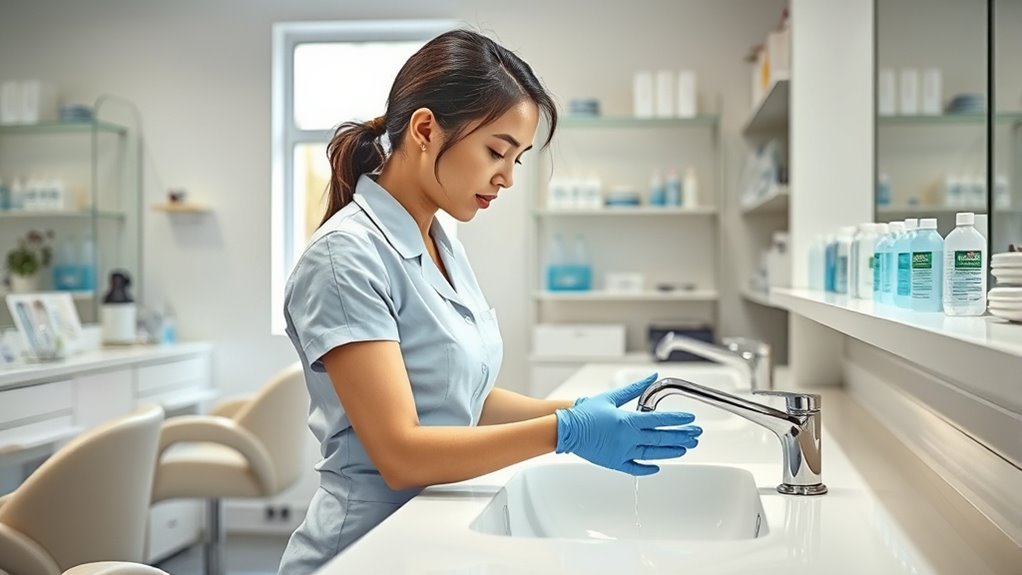
Maintaining proper hygiene protocols and ensuring your staff stay educated are essential for a clean, professional salon. When everyone follows the right practices, clients feel confident in your services. Ongoing staff training keeps standards high and hygiene practices current. Regularly reviewing and updating your health and safety standards helps prevent issues before they arise.
Proper Hygiene Protocols
To guarantee your salon consistently meets inspection standards, staff must follow strict hygiene protocols and receive thorough training. Maintaining high sanitation standards is essential for preventing cross-contamination and ensuring client safety. Staff should wash hands regularly, wear clean uniforms, and use disposable gloves when necessary. Personal hygiene practices, such as avoiding jewelry and keeping nails trimmed, also play a vital role. Regular hygiene audits help identify areas for improvement and reinforce best practices. Properly trained staff understand the importance of these protocols and adhere to them consistently. Ensuring compliance with health and safety standards helps maintain a professional environment and protects both clients and staff. By prioritizing hygiene and conducting routine checks, you ensure your salon remains compliant, safe, and ready for inspection at all times.
Ongoing Staff Education
Ongoing staff education is essential to keep your salon compliant and make certain everyone maintains high standards. Regular training ensures your team stays updated on health and safety protocols, personal hygiene practices, and effective client communication. Well-trained staff can confidently address client concerns, boost satisfaction, and uphold your salon’s reputation. Incorporate educational sessions into your marketing strategies by highlighting your commitment to professionalism and cleanliness, attracting new clients. Continuous learning also helps your team understand evolving regulations, reducing the risk of violations during inspections. Encourage open dialogue and feedback to reinforce best practices. Staying informed about health and safety standards is crucial in maintaining a safe environment for both clients and staff. Ultimately, investing in ongoing education empowers your staff, improves overall service quality, and keeps your salon inspection-ready at all times.
Safe Storage and Disposal of Chemicals and Waste
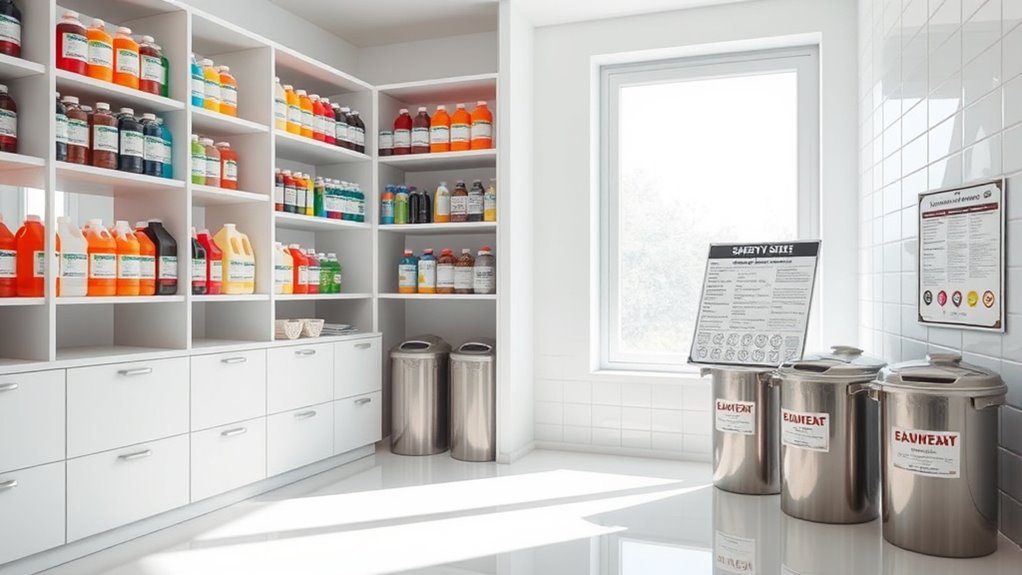
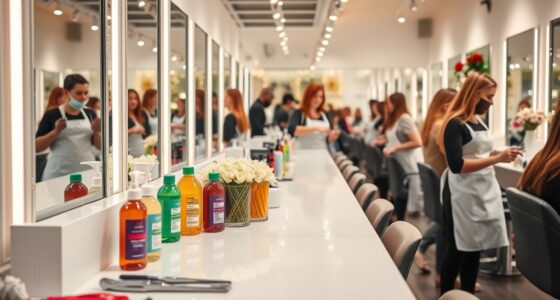
Properly storing and disposing of chemicals and waste is essential to guarantee a safe salon environment. Effective chemical management minimizes risks and keeps your workspace compliant. To do this:
- Store chemicals in clearly labeled, sealed containers away from heat or flames.
- Keep waste in designated, secure bins labeled for proper waste disposal, preventing contamination.
- Regularly review safety data sheets and follow disposal guidelines to guarantee compliance with local regulations.
- Use appropriate cleaning solutions to properly clean equipment and surfaces, reducing chemical hazards.
Emergency Preparedness and Safety Protocols
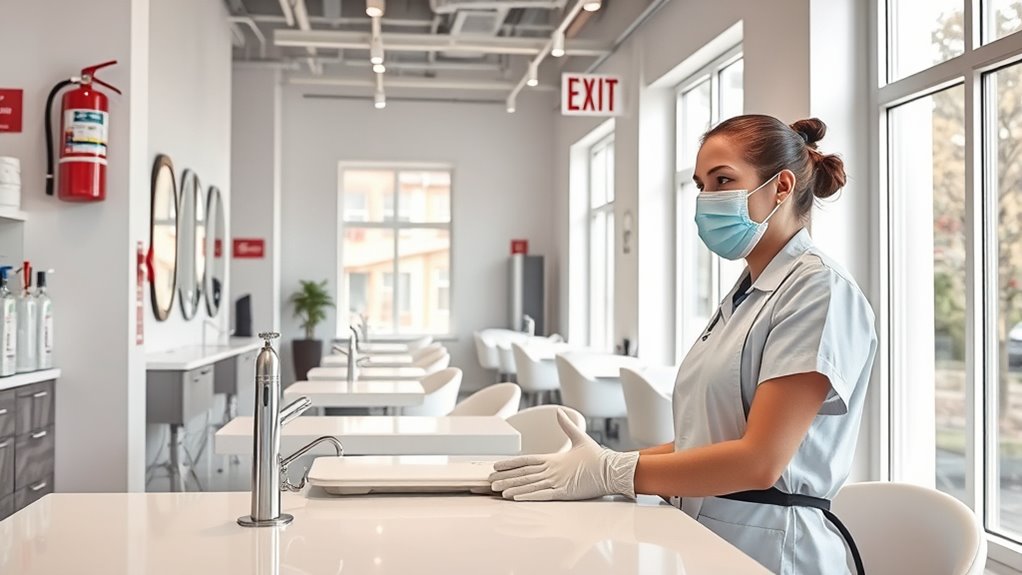
Ensuring your salon is prepared for emergencies starts with keeping exit routes clear and accessible at all times. You also need to train your staff regularly on safety procedures and check that all safety equipment is in good working order. By focusing on these key points, you can create a safer environment for everyone inside your salon. Incorporating automation’s role in business intelligence can help monitor safety compliance and streamline emergency response planning.
Emergency Exit Accessibility
Have you ever considered how quickly you can reach an emergency exit from every area of your salon? Ensuring emergency exit accessibility is crucial for fire safety and quick evacuation. First, keep all exits unobstructed and clearly marked with visible accessibility signage. Second, verify that exit paths are well-lit and free of clutter, so clients and staff can find them easily. Third, regularly inspect doors to make sure they open smoothly and aren’t jammed. These steps help meet safety standards and reduce panic during emergencies. Proper signage and clear pathways guide everyone safely outside, minimizing risks. Remember, accessible exits save lives, so make sure they’re always ready for any emergency. Incorporating security lighting can further enhance visibility and safety during nighttime or power outages.
Staff Safety Training
To keep everyone safe during emergencies, your staff must be well-trained in safety protocols and preparedness procedures. Providing regular safety training guarantees they respond swiftly and confidently, minimizing risks. Effective client communication during crises reassures clients and maintains trust. Incorporate safety protocols into your marketing strategies by demonstrating your commitment to health and safety standards. Use the following table to organize training topics:
| Safety Topic | Staff Responsibilities | Client Communication Strategies |
|---|---|---|
| Fire Procedures | Evacuation drills and routes | Clear instructions during drills |
| Medical Emergencies | First aid and CPR certification | Reassuring clients calmly |
| Chemical Safety | Handling products safely | Explaining safety measures to clients |
| Emergency Contact Protocols | Reporting incidents promptly | Informing clients of procedures |
| Safety Equipment Use | Proper use of safety tools | Educating clients on safety actions |
Additionally, understanding the bedroom layout and decor can contribute to creating a calming environment that eases client anxiety during emergencies.
Safety Equipment Checks
Regularly inspecting and maintaining safety equipment is essential for effective emergency preparedness. Ensuring your safety equipment checks are up-to-date guarantees that all emergency equipment is ready when needed. To achieve this, follow these steps:
- Verify that fire extinguishers are fully charged, accessible, and have recent inspection tags.
- Test smoke detectors and alarm systems to confirm they function properly.
- Check first aid kits for completeness, expiration dates, and replace used or expired supplies.
Conducting Regular Inspections and Documentation
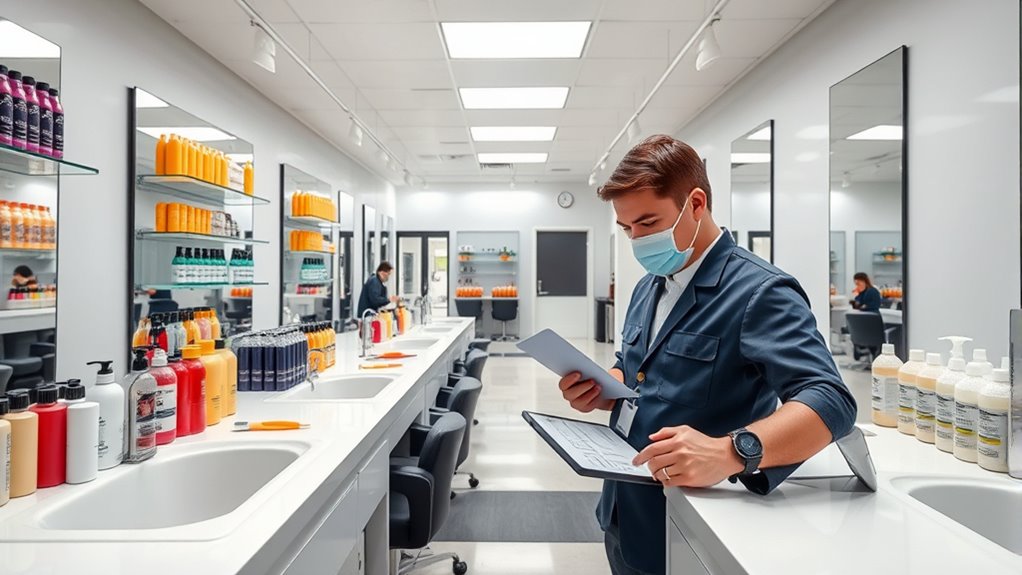
Conducting regular inspections is vital to maintaining salon standards and ensuring compliance with health and safety regulations. Use a detailed inspection checklist to identify potential hazards and verify that safety protocols are followed. This checklist should cover sanitation, equipment functionality, chemical storage, and staff hygiene. Consistent inspections help catch issues early and prevent violations. Additionally, adherence to documentation best practices is essential; record every inspection thoroughly, noting date, findings, and corrective actions taken. Proper documentation creates a clear audit trail, demonstrates compliance, and supports ongoing staff training. Make inspection reports easily accessible and organized. Regular inspections coupled with accurate documentation ensure your salon stays inspection-ready, promotes a safe environment, and builds client trust.
Frequently Asked Questions
How Often Should I Update My Salon’s Health and Safety Policies?
You should update your salon’s health and safety policies at least annually through a policy review, ensuring you stay current with industry standards. Additionally, perform compliance updates whenever new regulations or guidelines are introduced. Regular updates help you identify potential hazards, train staff effectively, and maintain a safe environment. Staying proactive with policy reviews and compliance updates demonstrates your commitment to safety and keeps your salon inspection-ready at all times.
What Are the Most Common Violations Found During Salon Inspections?
Think of your salon as a ship sailing smoothly—common violations are like leaks in the hull. You’ll often find sanitation violations, like dirty tools or unclean surfaces, and neglected equipment inspections, risking breakdowns. These issues can sink your reputation fast. Regularly sanitize all tools and verify equipment is inspected and maintained. Staying vigilant keeps your ship afloat, avoiding penalties and ensuring a safe, compliant environment for your clients.
How Can I Effectively Train New Staff on Safety Protocols?
You can effectively train new staff on safety protocols by incorporating thorough staff onboarding that emphasizes safety demonstrations. During onboarding, demonstrate proper sanitation, equipment handling, and emergency procedures. Encourage hands-on practice and ask questions to guarantee understanding. Regularly review safety protocols, provide refresher training, and create a culture where safety is a priority. This approach helps new team members quickly grasp essential safety standards and maintain a safe salon environment.
What Signs Indicate My Tools or Equipment Need Replacement?
You’ll notice signs indicating your tools or equipment need replacement through tool deterioration, such as rust, cracks, or worn-out blades. Equipment malfunctions like inconsistent performance, strange noises, or frequent breakdowns also signal it’s time to replace. Ignoring these signs risks safety and quality. Regularly inspect your tools, address issues promptly, and replace damaged equipment to maintain a safe, compliant salon environment that meets health and safety standards.
Are There Any Specific Regulations for Handling COVID-19 in Salons?
Imagine a mask resting on your station like a silent guardian—yes, there are specific regulations for handling COVID-19 in salons. You must follow COVID-19 protocols and sanitation guidelines rigorously, including mask-wearing, hand sanitizing stations, and cleaning schedules. Keep clients and staff safe by staying updated on local mandates, maintaining proper ventilation, and ensuring all surfaces are disinfected. Your attention to these details creates a safe, welcoming environment for everyone.
Conclusion
Being prepared for your salon inspection isn’t just about passing; it’s about protecting your clients and staff. Imagine a client’s relief after experiencing a spotless, sanitized environment—then hearing about how quick action prevented a potential health crisis. Stay diligent with regular checks, training, and proper hygiene practices. When you prioritize safety, you create a trusted space where everyone feels confident and cared for. Your commitment today keeps your salon healthy tomorrow.