
To nourish dry, rough cuticles, try natural soak recipes like warm olive oil with vitamin E for deep hydration, or honey mixed with tea tree oil to boost moisture and fight infection. Aloe vera and coconut oil work together to soothe and restore elasticity. Regularly soaking your fingers in these mixtures softens cuticles and improves overall nail health. Keep experimenting with these simple treatments, and you’ll discover more easy ways to keep your cuticles healthy and polished.

Get beauty and skincare favorites delivered free — and shop member deals
- Fast, free delivery on millions of items
- Access to Prime Big Deal Days deals on October 6–7
- Prime Video, Amazon Music and more included
Key Takeaways
- Use olive oil combined with vitamin E for deep nourishment and improved cuticle flexibility.
- Soak in honey and tea tree oil to hydrate and provide antifungal benefits.
- Combine aloe vera gel and coconut oil for soothing, healing, and moisture restoration.
- Regular soaks soften cuticles, making them easier to push back and manage.
- Incorporate these natural treatments into your routine for healthier, smoother cuticles.
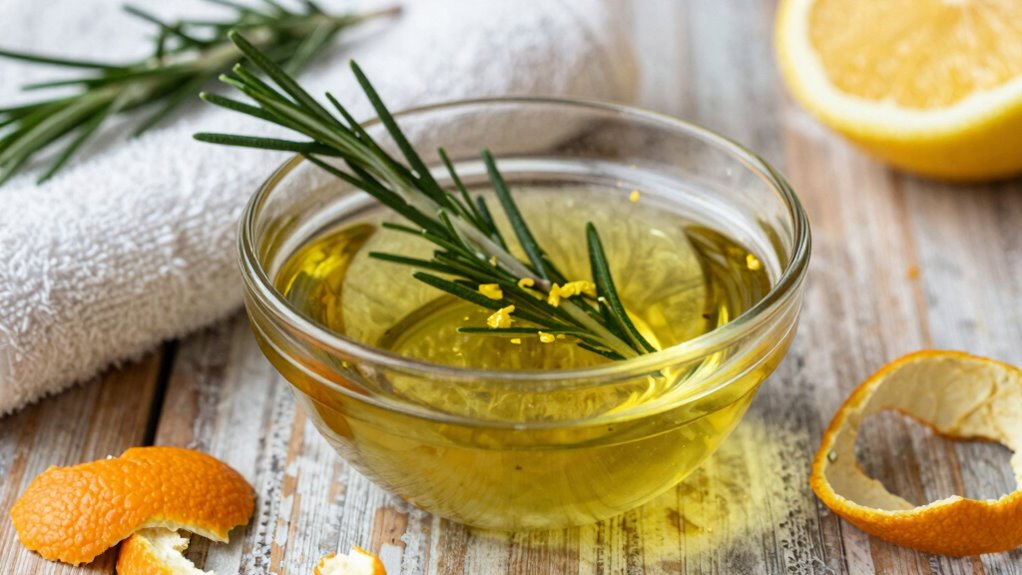
Dry, rough cuticles can be both uncomfortable and unsightly, but natural soak recipes offer an effective and gentle solution. When your cuticles are dry and flaky, it’s a sign that your nails need some extra care. Soaking your fingertips in soothing, natural solutions not only softens the cuticles but also helps you achieve healthier-looking nails. Plus, incorporating these soak recipes into your routine makes for a relaxing experience, turning nail care into a pampering ritual.
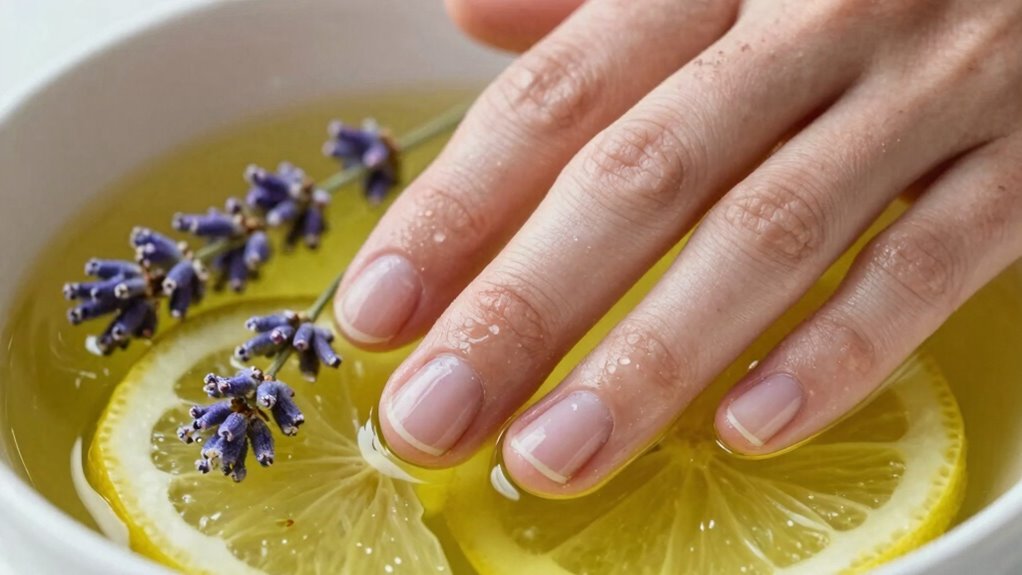
One simple and effective soak involves warm olive oil combined with a few drops of vitamin E oil. Olive oil is rich in healthy fats that penetrate deeply, nourishing both the cuticles and surrounding skin. Vitamin E adds antioxidant properties that promote healing and repair. To prepare, warm a small bowl of olive oil until it’s comfortably warm—never hot—and mix in a few drops of vitamin E. Soak your fingertips for 10-15 minutes, then gently massage the oils into your cuticles. This DIY manicure tip is not only natural but also cost-effective, giving you a nourishing treatment that you can do at home anytime. Regular use of this soak can improve cuticle flexibility, reduce dryness, and boost overall nail health.
Another effective soak combines honey with warm water and a few drops of tea tree oil. Honey is a natural humectant, meaning it draws moisture into the skin, while tea tree oil has antifungal and antimicrobial properties. Mix a tablespoon of honey into a bowl of warm water, add a couple of drops of tea tree oil, and immerse your fingertips for about 10 minutes. After soaking, you’ll notice your cuticles feel softer and more hydrated, making it easier to push back or trim them without discomfort. This soak is especially helpful if you’re battling fungal issues or persistent dryness.
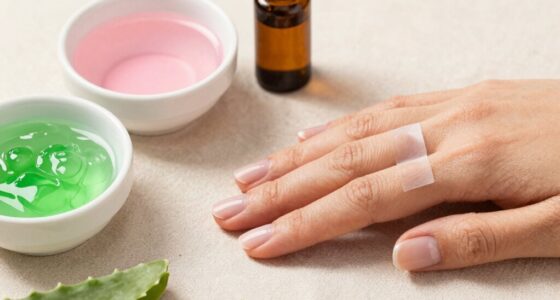
For an extra boost, you can create a soak with aloe vera gel mixed with coconut oil. Aloe vera is renowned for its healing and soothing effects, while coconut oil deeply moisturizes and fights inflammation. Combine equal parts of pure aloe vera gel and melted coconut oil, then immerse your fingers for 10-15 minutes. After soaking, gently push back your cuticles and massage the remaining mixture into your nails and surrounding skin. This natural treatment helps restore moisture and elasticity, making your cuticles less prone to cracking and peeling.
Incorporating these natural soak recipes into your routine not only nurtures your cuticles but also enhances your overall manicure. Using cuticle oil benefits from regular soaks, as they prepare your nails for applying cuticle oil and other nail products. These DIY manicure tips help you create a healthier, more polished look while keeping your nail care routine simple, affordable, and effective.
olive oil with vitamin E for cuticles
As an affiliate, we earn on qualifying purchases.
As an affiliate, we earn on qualifying purchases.
Frequently Asked Questions
How Often Should I Soak My Cuticles for Best Results?
You should soak your cuticles 2-3 times a week for the best results. Maintaining proper soak frequency helps improve cuticle health by softening and hydrating the skin. Over-soaking can cause dryness or damage, so don’t go overboard. Keep an eye on how your cuticles respond, and adjust the soak routine as needed. Consistency is key to achieving softer, healthier cuticles with natural soak recipes.
Can Natural Soaks Help With Severely Cracked Cuticles?
Severely cracked cuticles? Natural remedies can truly be a game-changer. Imagine your cuticles transforming from a desert wasteland into a lush oasis—hydrated, healed, and healthy. Natural soaks, packed with soothing ingredients like oils and herbs, penetrate deeply, boosting cuticle health and promoting quick recovery. While they won’t work miracles overnight, consistent use helps repair damage, restore softness, and make your cuticles look and feel dramatically better.
Are There Any Side Effects From Natural Cuticle Soaks?
Natural cuticle soaks are generally safe, but you should be aware of potential side effects like allergic reactions or chemical reactions. If you have sensitive skin or allergies, certain ingredients might cause redness, itching, or irritation. Always do a patch test before trying a new soak. If you notice any adverse reactions, discontinue use and consult a dermatologist. Being cautious helps prevent unwanted chemical or allergic reactions.
Do Natural Soak Recipes Work for All Skin Types?
You’re in the driver’s seat when it comes to natural soak recipes, and they can work for most skin types. DIY remedies with ingredients like olive oil or honey provide excellent benefits, moisturizing and softening your cuticles regardless of skin sensitivity. However, always test first to avoid reactions. While they’re generally safe, some skin types may need specific care, so listen to your skin’s signals and adjust accordingly.
Should I Moisturize After Soaking My Cuticles?
Yes, you should moisturize after soaking your cuticles. Proper moisturizing improves cuticle health by locking in hydration and preventing dryness. After soaking, your cuticles are more receptive to moisturizers, so it’s the perfect time to apply cuticle oil or cream. Incorporating this step into your moisturizing routine helps keep your cuticles soft, healthy, and less prone to cracking or roughness, promoting overall nail and hand wellness.
honey and tea tree oil nail soak
As an affiliate, we earn on qualifying purchases.
As an affiliate, we earn on qualifying purchases.
Conclusion
Taking care of your cuticles with natural soak recipes can transform rough, dry skin into soft, healthy nails. Did you know that regular moisturizing can boost nail growth by up to 20%? By incorporating these simple, homemade remedies into your routine, you’ll not only improve your cuticles but also enjoy stronger, more beautiful nails. So why wait? Start pampering your nails today and see the remarkable difference natural ingredients can make!
aloe vera and coconut oil nail treatment
As an affiliate, we earn on qualifying purchases.
As an affiliate, we earn on qualifying purchases.
As an affiliate, we earn on qualifying purchases.
Fall Picks
fall essentials
As an affiliate, we earn on qualifying purchases.