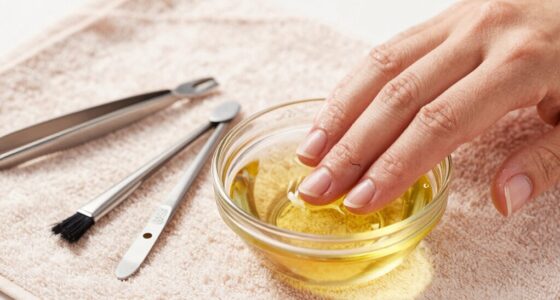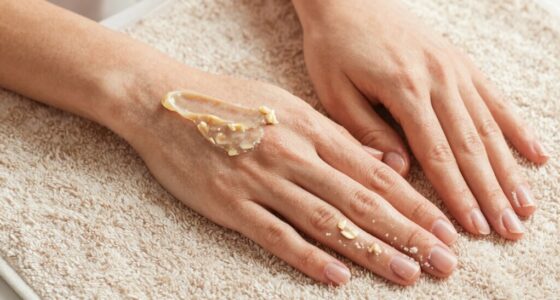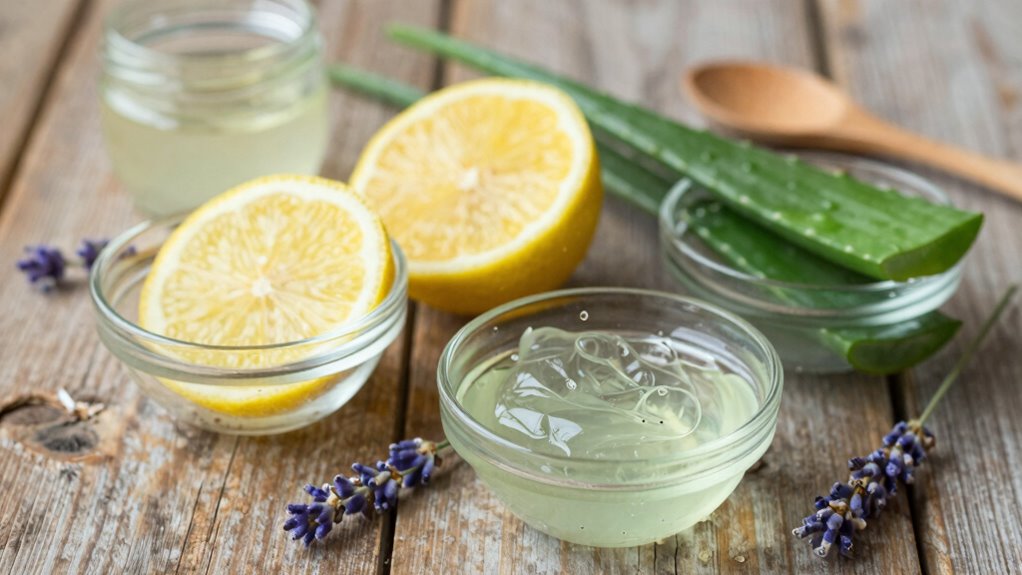

Many believe natural ingredients are automatically safer and more effective for DIY nail care, but this isn’t always true. Natural substances can cause allergic reactions or weaken nails if used improperly, while synthetic ingredients are carefully formulated for specific benefits. Variability in natural ingredient quality and stability can lead to inconsistent results. If you want to understand the truth behind these myths and how to choose ingredients wisely, keep exploring.

Get beauty and skincare favorites delivered free with Prime
- Fast, free delivery on millions of items
- Prime Video, Amazon Music and more included
- Member-only deals all year
Key Takeaways
- “Natural” ingredients are not automatically safer or more effective than synthetic options for nail care.
- Natural ingredients can cause allergies or damage if misused, just like synthetic chemicals.
- Variability in natural ingredient formulations can lead to inconsistent nail treatment results.
- Some natural substances, such as lemon juice, may weaken nails due to acidity.
- Synthetic ingredients are often formulated for targeted, reliable benefits, challenging the myth that natural is always better.
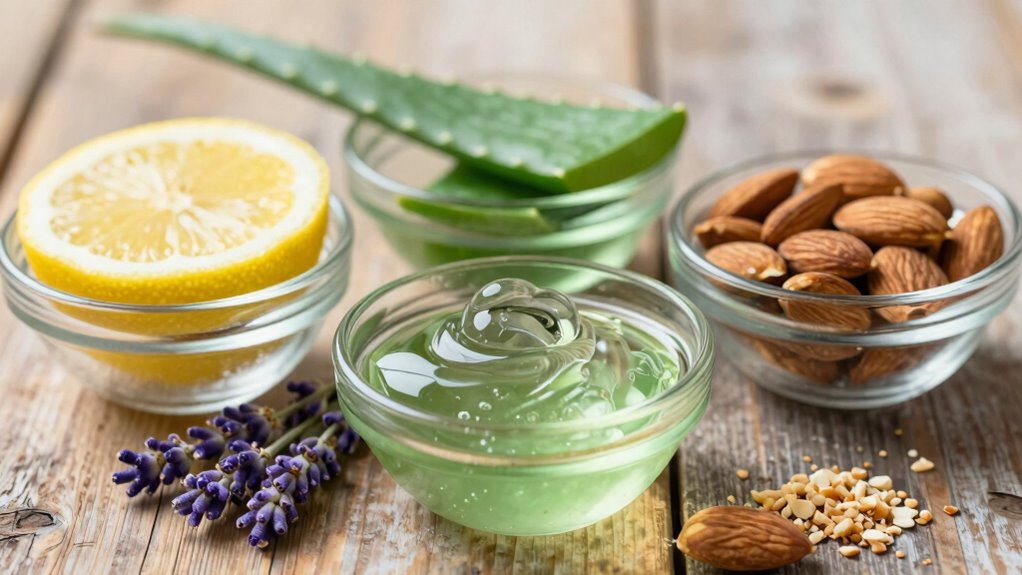
Many people turn to natural ingredients when creating DIY nail care routines, believing they’re safer and more effective than commercial products. You might feel confident whipping up homemade nail treatments using ingredients like coconut oil, tea tree oil, or lemon juice, convinced that these natural options are better for your nails. But it’s important to remember that “natural” doesn’t automatically mean “safe” or “better.” When you’re choosing ingredients for your nail care, understanding the difference between organic versus synthetic ingredients is key. Organic ingredients come from plants or natural sources that haven’t been exposed to pesticides or chemicals, which seems healthier at first glance. However, just because something is labeled “organic” doesn’t mean it’s free of all contaminants or that it’s suitable for every skin type. Synthetic ingredients, on the other hand, are man-made in labs and often undergo rigorous testing to ensure safety and consistency. They can sometimes be more reliable for specific nail and skin conditions, especially when formulated with precise concentrations.
In your DIY nail treatments, you might be tempted to rely solely on natural ingredients because they seem more “pure.” But in reality, some natural substances can cause allergic reactions, irritation, or even damage if used improperly. For example, lemon juice, a common homemade remedy, is acidic and can weaken your nails or cause sensitivity. Meanwhile, certain synthetic compounds in commercial nail products are designed to strengthen nails and prevent breakage without the risks associated with highly acidic or reactive natural ingredients. Moreover, the formulation stability of natural ingredients can vary greatly depending on storage conditions, which can impact their effectiveness over time. This variability can make it challenging to achieve consistent results when using natural ingredients alone.
Understanding the comogenic ratings of natural versus synthetic ingredients can help you choose those less likely to clog pores or cause breakouts around your nails, especially if you’re prone to sensitivity. When you’re mixing your own treatments, it’s tempting to believe that organic ingredients are always superior. While they often contain fewer synthetic chemicals, they aren’t inherently more effective at treating nail issues. Sometimes, synthetic ingredients are formulated to deliver specific benefits that natural ingredients simply can’t provide. For instance, vitamin E oil, whether natural or synthetic, can help nourish nails, but synthetic versions often have a longer shelf life and consistent potency. Additionally, being aware of the regulatory standards for cosmetic ingredients can help you make more informed choices about what to include in your DIY recipes. It’s also worth noting that the chemical composition of ingredients can influence their interactions with your skin and nails, which is crucial to consider when creating personalized treatments.
Ultimately, the choice between organic and synthetic ingredients in your homemade nail treatments should be based on your skin type, nail health goals, and how your body reacts. Don’t assume that natural always equals safe or better. Educate yourself on the properties of each ingredient, and consider patch testing new treatments to avoid adverse reactions. By understanding the nuances between organic versus synthetic, you can create effective, safe nail care routines that truly benefit your nails, rather than falling for myths that natural ingredients are always the best choice.
DIY nail strengthening treatments
As an affiliate, we earn on qualifying purchases.
As an affiliate, we earn on qualifying purchases.
Frequently Asked Questions
Are Natural Ingredients Always Safer Than Synthetic Ones?
Natural ingredients aren’t always safer than synthetic ones. You might think natural options like herbal extracts are better, but they can contain allergens or cause irritation. Synthetic preservatives help extend shelf life, yet some are linked to health concerns. Chemical fragrances can trigger sensitivities. Always check ingredient labels, and remember, natural doesn’t automatically mean safer. Your skin reacts differently, so test new products carefully before full use.
Can Natural Remedies Permanently Strengthen Nails?
Natural remedies can help improve nail growth and overall health, but they won’t permanently strengthen your nails. If you have a vitamin deficiency, addressing it can make a significant difference in nail strength. However, consistent care, a balanced diet, and proper hydration are essential. While natural ingredients support healthier nails, they aren’t a guaranteed, permanent fix. Regular maintenance and a healthy lifestyle are key to long-term nail strength.
Do All Natural Oils Improve Nail Health?
Not all natural oils improve nail health, but many can help. Essential oils like tea tree or lavender can boost nail hydration and fight infections, while others like coconut or olive oil nourish and strengthen nails. You should patch-test new oils and use them consistently. Keep in mind, individual results vary, and combining oils with proper nail care routines yields the best outcomes for healthy, hydrated nails.
Are Natural Ingredients More Cost-Effective Than Professional Treatments?
Natural ingredients can be more cost-effective than professional treatments if you focus on ingredient variety and budget wisely. The cost comparison varies depending on what you use and how often, but DIY methods often save money long-term. You get the advantage of customizing your nail care routine with simple, affordable ingredients, making it a practical choice. However, professional treatments might provide faster results, so weigh your priorities carefully.
How Long Does It Take to See Results From Natural Nail Treatments?
Studies show that natural treatments can improve nail health by 20% within four to six weeks. You can expect timeframe expectations to vary based on your nail condition and consistency. Visible improvements, like stronger, shinier nails, typically appear after this period. Patience is key, as natural remedies work gradually. Keep applying your treatments regularly, and you’ll notice positive changes over time, boosting both your confidence and nail health.
As an affiliate, we earn on qualifying purchases.
Conclusion
Remember, not all natural ingredients are magic. For instance, some believe coconut oil alone can cure all nail issues, but without proper care, it might not help much. Think of it like a car—adding premium fuel doesn’t fix a worn-out engine. Your nails deserve a balanced approach, combining natural remedies with good hygiene and proper nail care. Don’t fall for the myths—stay informed, and give your nails the real care they need to thrive.
synthetic vs natural nail care products
As an affiliate, we earn on qualifying purchases.
As an affiliate, we earn on qualifying purchases.
nail care ingredients for sensitive skin
As an affiliate, we earn on qualifying purchases.
As an affiliate, we earn on qualifying purchases.
Halloween Picks
halloween
As an affiliate, we earn on qualifying purchases.