Nails don’t need to “breathe,” as they’re made of keratin, a protein that doesn’t require air exposure. Instead, nutrients and oxygen reach your nails through blood flow in the nail bed, not the air. Taking regular breaks from polish and enhancements is essential because it helps your nails recover, stay strong, and avoid damage. If you want to learn how to keep your nails healthy long-term, keep exploring the tips and habits that support their strength.
Key Takeaways
- Nails do not need to breathe; they get nutrients and oxygen through blood circulation, not air exposure.
- Proper nail health relies on hydration, circulation, and good hygiene, not air or “breathing” practices.
- Regular breaks from polish and enhancements allow nails to recover, rehydrate, and prevent brittleness or damage.
- Overuse of artificial nails and harsh chemicals can weaken nails; scheduled rest periods promote strength and health.
- Early signs of damage or infection warrant professional care, and maintaining proper routines supports overall nail wellness.
Top picks for "nail need breathe"
Open Amazon search results for this keyword.
As an affiliate, we earn on qualifying purchases.
Understanding the Composition of Nails
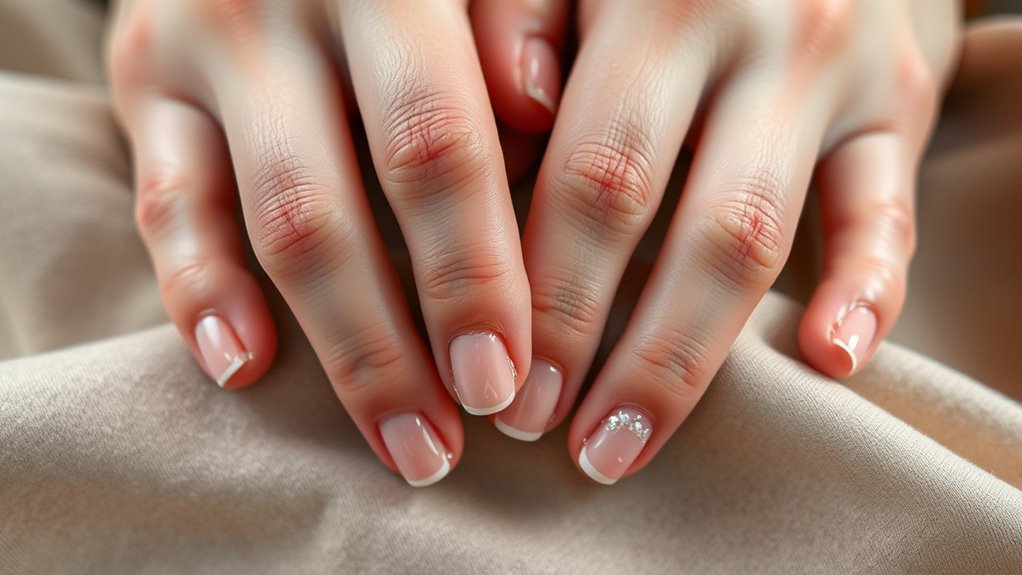
Nails are made up primarily of a tough, protein-based substance called keratin, which gives them strength and flexibility. Your nail structure consists of several parts, including the nail plate, nail bed, cuticle, and surrounding skin. The nail plate is the visible, hard surface that protects your fingertips. Central to its resilience is the keratin composition, a fibrous protein that forms the primary building block of nails. This keratin provides both durability and flexibility, allowing nails to withstand daily wear and tear. Understanding the nail structure helps you appreciate how nails function and why they need proper care. The composition of keratin is vital, as it determines the health, strength, and appearance of your nails, highlighting the importance of maintaining their natural integrity. Additionally, the protein structure of keratin influences how well nails can recover from damage and adapt to changes in health or environment.
The Myth of Nail “Breathing

Many people believe that nails need to “breathe” to stay healthy, but this idea is actually a myth. Natural nail myths like this have led to nail health misconceptions, causing unnecessary worry about wearing polish or enhancements. Your nails are made of keratin, a protein that doesn’t require exposure to air to stay healthy. They get their nutrients from your bloodstream, not from breathing. The notion that nails need to “breathe” is outdated and unsupported by science. In reality, keeping nails clean and moisturized is what promotes healthy growth. You don’t need to remove polish regularly for nails to “breathe” — your nails are more resilient than many believe. Understanding the truth helps you focus on proper nail care rather than chasing false nail health myths.
How Nails Receive Nutrients and Oxygen

Your nails get nutrients and oxygen through tiny blood vessels in the nail bed. These vessels carry essential substances from your bloodstream to keep your nails healthy. Oxygen then diffuses from the blood into the nail cells, supporting their growth and strength. Proper circulation is crucial for maintaining nail health and preventing issues such as brittleness or discoloration vascular supply.
Nail Blood Supply
Since nails are made of keratin, they rely on a rich supply of blood vessels beneath the skin to stay healthy, grow, and repair. Your nail blood supply delivers essential nutrients and oxygen directly to the nail matrix, the growth zone at the base of your nail. This blood flow supports cell production and maintains overall nail health. Oxygen diffusion occurs through tiny capillaries, ensuring your nails receive the oxygen they need for proper growth. Without an adequate nail blood supply, nails can become weak or brittle. This is why healthy circulation is vital for strong, resilient nails. Maintaining good blood flow helps your nails stay nourished, promoting growth and repair from the inside out. Additionally, engaging in practices that promote overall circulation, such as meditation and regular physical activity, can help support healthy nail growth.
Oxygen Diffusion Process
Oxygen and nutrients reach your nails primarily through tiny capillaries in the surrounding skin. This process, known as oxygen diffusion, is essential for maintaining nail health, hydration, and cuticle integrity. As oxygen moves from the bloodstream into your nail tissue, it supports proper cell function and promotes strong, flexible nails. To optimize this process, it’s important to:
- Keep your cuticles hydrated to facilitate nutrient transfer
- Avoid excessive use of harsh chemicals that can impair diffusion
- Maintain good blood circulation around your fingertips
- Allow your nails regular breaks from polish or enhancements to improve oxygen flow and cuticle health
- Understanding air quality and circulation can further enhance the health of your nails by ensuring optimal oxygen delivery.
This balanced approach helps ensure your nails receive the nutrients they need to stay healthy and resilient.
The Impact of Nail Enhancements on Nail Health
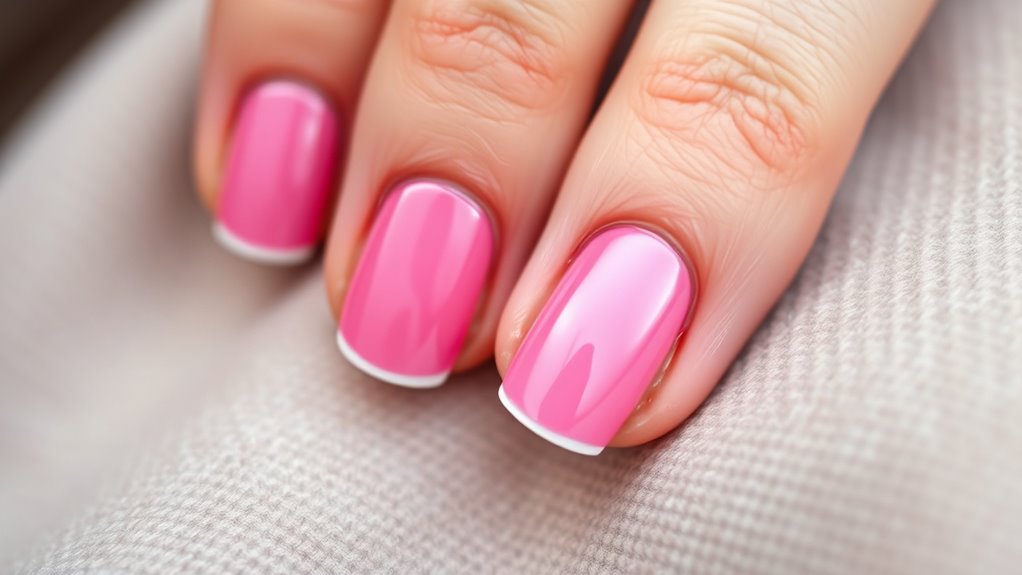
Nail enhancements like gel polish, acrylics, and tips can enhance appearance, but they also pose risks to nail health if not applied or removed properly. Poor nail hygiene during these procedures can lead to infections or fungal growth. When enhancement safety isn’t prioritized, nails can become weakened, brittle, or prone to peeling. It’s essential to give your nails a break between enhancements to allow them to breathe and recover. Proper application, thorough cleaning, and gentle removal are key to maintaining healthy nails. Staying mindful of these factors helps prevent damage and preserves your nails’ strength and appearance. Additionally, understanding personal finance management can help you plan for regular nail care expenses and prioritize health over costly treatments.
Signs That Indicate Nail Damage or Weakness
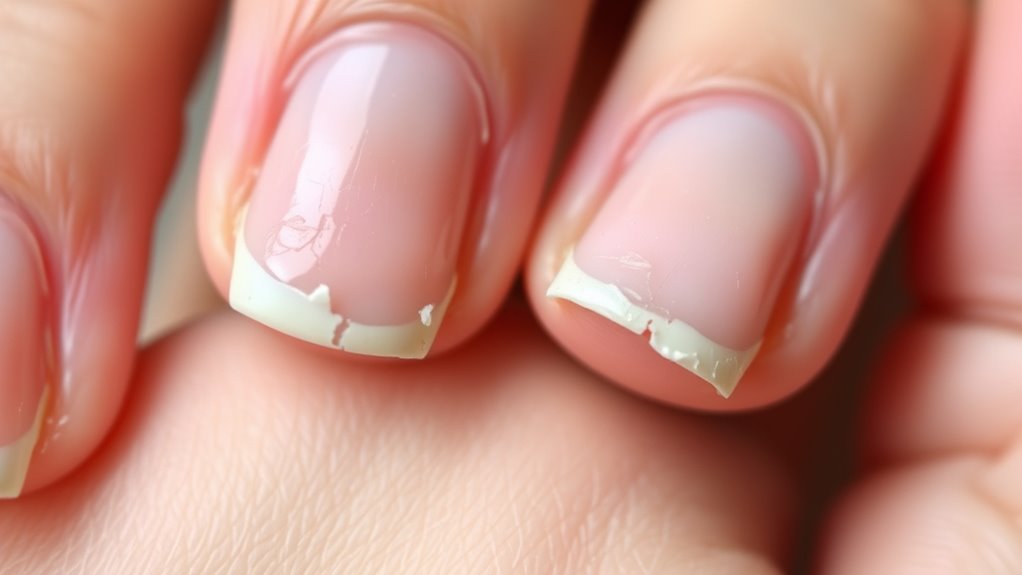
If your nails start to become brittle or peel easily, it’s a sign something’s off. Discoloration or spots can also indicate damage or weakness. Keep an eye out for these changes to catch nail issues early. Additionally, incorporating proper nail care routines, such as moisturizing and avoiding harsh chemicals, can help maintain nail strength and health.
Brittle, Peeling Nails
Brittle, peeling nails often signal that your nails are weakened or damaged. When nails become fragile, it’s a sign you need to improve nail hydration and cuticle care. To address this, consider these steps:
- Increase your daily intake of water to keep nails moisturized from within.
- Use cuticle oil regularly to strengthen nail beds and prevent dryness.
- Avoid harsh chemicals and excessive polish use that can strip moisture.
- Incorporate nourishing nail treatments or strengthening bases to reinforce nail structure.
- Understanding the importance of energetic alignment can also support overall nail health by reducing stress that may contribute to nail weakness.
Pay attention to how your nails respond to these changes. Proper nail hydration and cuticle care are essential for reversing damage and promoting healthier, less brittle nails.
Discoloration or Spots
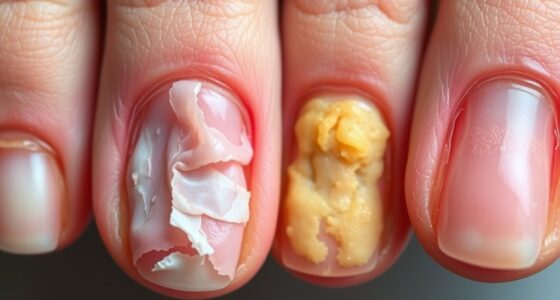
Have you noticed unusual spots or discoloration on your nails? Nail discoloration and spot formation can be signs of underlying damage or weakness. These changes might appear as white, yellow, or brown patches, indicating possible fungal infections or chemical reactions from polish or enhancements. Sometimes, spots are caused by minor injuries or nutrient deficiencies, but persistent discoloration suggests your nails may be compromised. It’s important to monitor these signs, as they can signal deeper issues like infections or trauma. Avoid ignoring discoloration, especially if it worsens or doesn’t go away. Giving your nails a break from polish and enhancements allows them to breathe and recover. Additionally, nail health care can help prevent further damage and promote stronger nails. If discoloration persists, consult a dermatologist to determine the cause and prevent further damage.
Best Practices for Maintaining Healthy Nails

Maintaining healthy nails involves simple yet consistent habits that support their strength and appearance. First, avoid common nail myths—like the idea that nails need to breathe—since proper nail recovery depends on good care, not myths. Second, keep your nails moisturized with cuticle oil or hand lotion to prevent dryness and cracking. Third, trim nails regularly to prevent breakage and infections. Fourth, give your nails time to recover after polish or enhancements by taking breaks, allowing the natural nail to breathe and strengthen. Staying consistent with these habits helps your nails stay healthy and resilient. Remember, understanding what truly benefits nail health is key, rather than falling for myths that can do more harm than good. Incorporating nourishing essential oils for nail health can further enhance their strength and appearance.
The Role of Breaks From Polish and Enhancements

Taking regular breaks from nail polish and enhancements is essential for maintaining healthy nails. These breaks give your nails a chance to recover and breathe, supporting your nail care routines and DIY maintenance efforts. During this time, your nails can rehydrate and remove any buildup from polish or artificial layers. To make this easier, consider scheduling polish-free weeks or alternating between manicures. Here’s a quick comparison:
| Benefit | Why it matters |
|---|---|
| Prevents dryness | Keeps nails moisturized naturally |
| Reduces damage | Avoids weakening or breakage |
| Promotes growth | Encourages stronger, healthier nails |
Taking these breaks protects your nails in the long run and keeps them looking their best. Incorporating protective styling techniques like crochet styles for locs can also support overall nail and hair health.
Tips for Strengthening and Protecting Your Nails
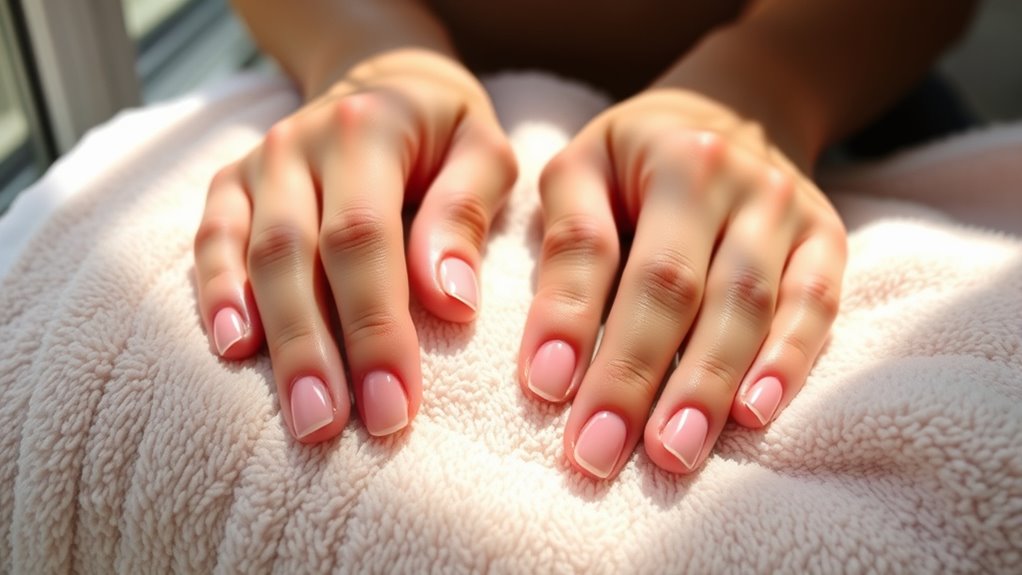
To keep your nails strong and protected, you should focus on proper care routines and mindful habits. Good nail hygiene prevents infections and breakage, so keep your nails clean and dry. Incorporate moisturizing routines daily to maintain flexibility and prevent brittleness. Additionally, follow these tips:
Maintain strong, healthy nails with proper hygiene, moisture, and protective habits.
- Avoid harsh chemicals by wearing gloves when cleaning or using cleaning products.
- Keep nails trimmed and filed to prevent splits.
- Use a nourishing cuticle oil regularly to strengthen the nail matrix.
- Limit excessive use of polish and removers containing acetone, which can dry out nails.
When to Seek Professional Advice for Nail Concerns
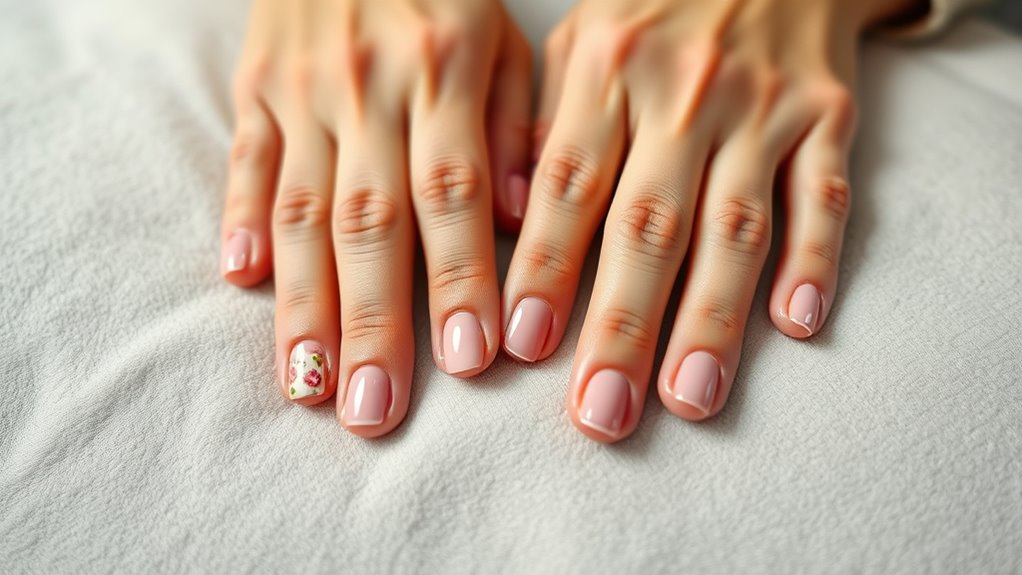
Sometimes, nail problems signal underlying health issues or infections that need professional attention. If you notice persistent discoloration, thickening, or crumbling nails, it could be a sign of nail fungus. Ignoring these signs can lead to more serious issues and prolonged discomfort. Similarly, if your cuticle health deteriorates, becomes inflamed, or develops redness and pain, it’s time to seek help. You shouldn’t attempt to treat infections or severe nail changes on your own, especially if they worsen or don’t improve with basic care. Consulting a dermatologist or nail specialist ensures proper diagnosis and treatment, preventing complications. Addressing concerns early can save you pain, time, and money, and restore your nails’ health effectively.
Frequently Asked Questions
Can Wearing Polish Constantly Cause Long-Term Nail Damage?
Wearing polish constantly can cause long-term nail damage, especially if there’s frequent chemical exposure from harsh formulas. Over time, this can lead to nail brittleness, making your nails weak and prone to breaking. Taking breaks allows your nails to recover and reduces the risk of damage. Using nourishing treatments and avoiding overly aggressive removers also helps maintain healthy nails and prevents long-term issues from constant polish use.
Are There Specific Ingredients in Polish That Harm Nails?
Sure, your nail polish ingredients include some harmful chemicals, like formaldehyde, toluene, and dibutyl phthalate, that are basically the villains in your nail story. These harmful chemicals can weaken your nails over time, causing dryness, brittleness, or even more serious damage. So, next time you’re choosing a polish, read the label—your nails will thank you for avoiding the chemical villains and embracing safer, healthier options.
How Does Hydration Affect Overall Nail Strength?
Hydration plays a vital role in your nail health by improving moisture retention, which keeps nails from becoming brittle. When you stay properly hydrated, your nails maintain better elasticity, making them less prone to cracking or breaking. Regularly moisturizing your nails and cuticles helps strengthen them over time. So, drinking enough water and using nourishing oils can boost overall nail strength, keeping your nails resilient and healthy.
Do Natural Nail Oils Improve Nail Health?
Think of your nails like a garden—natural oils act as the essential sunlight for growth. Nail oil benefits include providing cuticle nourishment, boosting hydration, and preventing breakage. Using natural nail oils regularly helps strengthen your nails from within, making them less prone to damage. So, yes, natural oils improve nail health by supporting healthy cuticles and overall strength, giving you stronger, more resilient nails in the long run.
How Often Should I Schedule Professional Nail Health Assessments?
You should schedule professional nail health assessments every 6 to 8 weeks to maintain proper nail hygiene. Regular evaluations help catch issues early, ensuring your nails stay healthy and strong. During these visits, a professional can check for signs of infection, damage, or deficiencies and recommend appropriate treatments. Consistent assessments keep your nails in top condition and prevent problems from worsening, so make these appointments a regular part of your grooming routine.
Conclusion
So, do nails really need to breathe? Not exactly—you don’t need to skip polish or enhancements forever. Instead, listen to your nails and give them regular breaks to recover. Think of your nails like a garden: they flourish when you nurture them and allow time to heal. By following good habits and knowing when to seek help, you can keep your nails strong and beautiful. After all, isn’t healthy, vibrant nails what we all want?