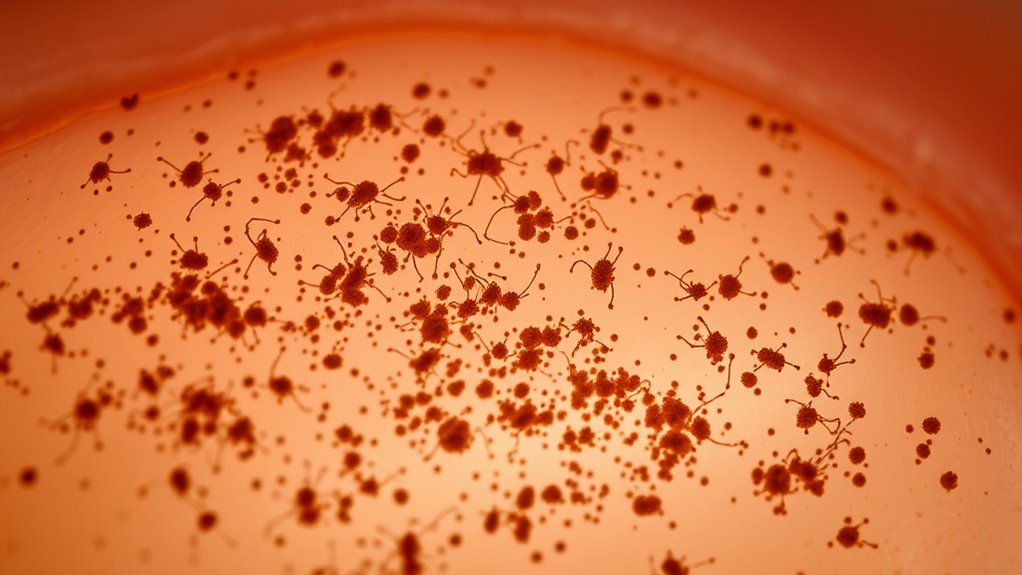
Under your nails, a diverse mix of microorganisms thrives, including bacteria like Staphylococcus, fungi such as Malassezia, and even viruses. These microbes help maintain a balance that’s usually harmless, but poor hygiene can cause overgrowth leading to infections like fungus or bacterial issues. Factors like nail care habits and moisture influence their presence. If you want to understand how to keep this microbial community healthy and prevent problems, keep exploring further.
Key Takeaways
- Nails host diverse microbes, including bacteria (Staphylococcus, Corynebacterium), fungi (Malassezia, dermatophytes), and viruses.
- Microbial communities under nails are influenced by hygiene, nail care, and environmental contact.
- Regular cleaning and proper nail hygiene help maintain a healthy microbial balance and prevent infections.
- Overgrowth or poor hygiene can lead to nail fungi, bacterial infections, and skin inflammation.
- Sharing nail tools or neglecting nail care increases microbial presence and infection risk.

MINKINH Manicure Set Professional Nail Clipper Kit-26 Pieces Stainless Steel Manicure Kit,Nail Care Tools with Luxurious Travel Case (Brown)
Manicure Set:professional manicure kit contains 26 tools,multifunctiona include hand care,facial care,foot care tools.
As an affiliate, we earn on qualifying purchases.
As an affiliate, we earn on qualifying purchases.
The Types of Microorganisms Found Under Nails
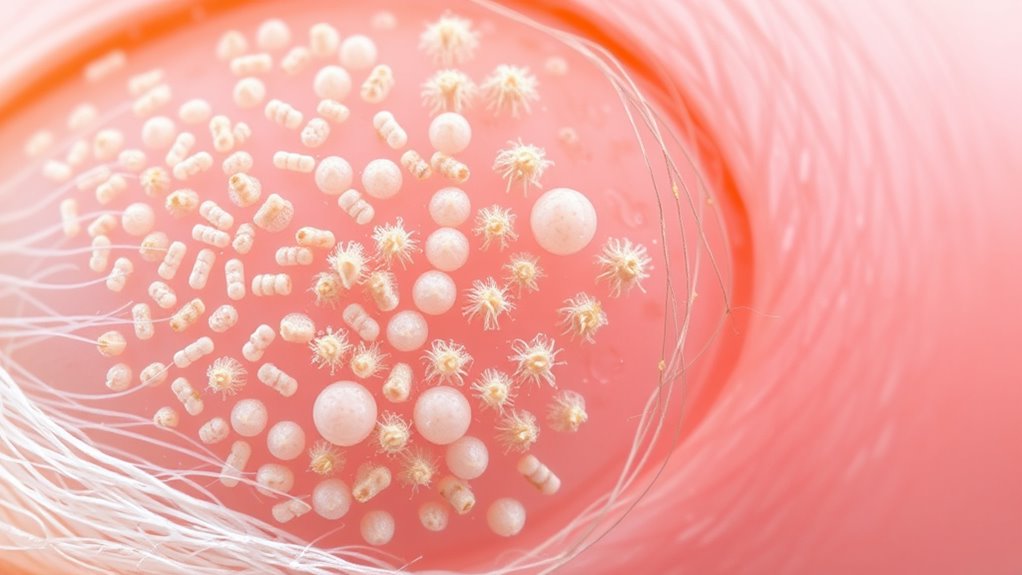
Under nails, a diverse array of microorganisms can thrive due to the warm, moist environment. Your nail microbiome includes bacteria, fungi, and even some viruses. Bacterial species like Staphylococcus and Corynebacterium are common residents, forming part of your natural skin flora. Fungal colonization also occurs frequently, with yeasts such as Malassezia and dermatophytes capable of establishing themselves under the nails. These microbes coexist in a delicate balance, often remaining harmless unless your immunity weakens. The nail microbiome’s composition varies between individuals and can change over time based on hygiene, environment, and health. Additionally, microbial diversity under your nails reflects your overall health and lifestyle. Recognizing the diversity of microorganisms under your nails helps you understand that they are a natural part of your body’s ecosystem, not solely sources of infection.
Kerasal Nail Fungus Extra Strength | Restorative Nail Repair for Damaged Nails, 0.33 fl oz (Packaging May Vary)
Trusted by over 10 million users worldwide since 2010 for nail care and improving nail appearance
As an affiliate, we earn on qualifying purchases.
As an affiliate, we earn on qualifying purchases.
How Microbes Under Nails Affect Your Health
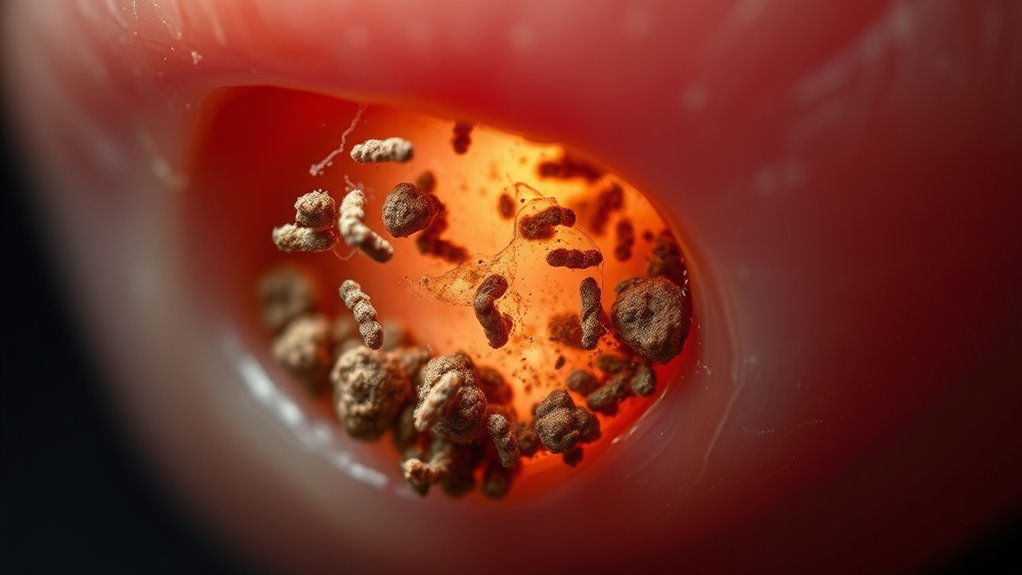
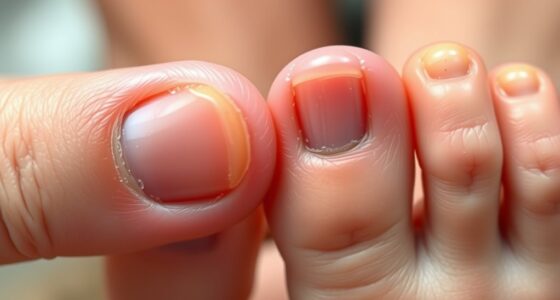
The microbes living under your nails can influence your health in both positive and negative ways. On the negative side, they can cause nail fungus, leading to thick, discolored nails and discomfort. Bacterial infections are also common, especially if you scratch or break the skin around your nails, allowing harmful bacteria to enter. These infections can cause redness, swelling, and pus, sometimes requiring medical treatment. On the positive side, some microbes help protect your skin and nails by competing with harmful pathogens. Keeping your nails clean and dry reduces the risk of infections, while poor hygiene increases the chances of developing issues like nail fungus or bacterial infections. Being aware of these risks encourages better nail care and overall health. Hygiene practices play a crucial role in managing microbial growth under your nails.

Fungi-Nail Anti-Fungal Liquid Solution, 1 Fl Oz (Pack of 1), Kills Fungus, Athletes Foot Treatment, Toe Nail Fungus Treatments w/Tolnaftate, Clinically Proven to Cure and Prevent Fungal Infection
CLINICALLY PROVEN: Clinically proven to cure & prevent fungal infections; eliminates toe & foot fungus with toenail fungus…
As an affiliate, we earn on qualifying purchases.
As an affiliate, we earn on qualifying purchases.
Factors That Influence Microbial Communities in Nails
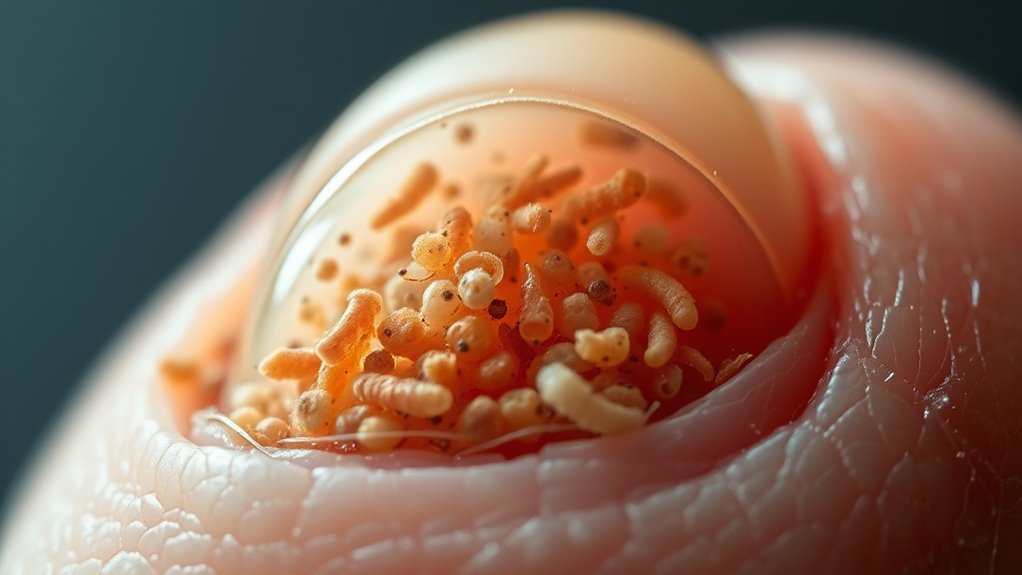
Multiple factors shape the microbial communities that reside in your nails, with hygiene practices playing a significant role. For example, frequent handwashing can reduce the number of microbes, but over-washing may strip beneficial bacteria. Wearing nail polish can also influence microbial diversity by creating a barrier that traps moisture and microbes underneath, potentially promoting growth. Additionally, the type of nail polish and how often you remove and reapply it matter. Longer intervals between handwashing allow microbes to accumulate, while regular hand hygiene helps keep microbial populations in check. Your lifestyle choices, such as touching surfaces frequently or sharing nail tools, further impact your nail microbiome. Understanding these factors helps you recognize how daily habits can either promote a healthy microbial balance or encourage unwanted microbial growth. Moreover, the presence of high-quality projectors can influence the environment by affecting viewing conditions, which parallels how proper hygiene can impact microbial health.

Larbois Handle Grip Nail Brush, Nail Brushes Hand Fingernail Brush Cleaner Scrubbing Kit Pedicure for Toes and Nails Men Women (4 Pack)
【New Design】: We have made some improvements. The Handle fingernail brushes have a larger gripping space, much easier…
As an affiliate, we earn on qualifying purchases.
As an affiliate, we earn on qualifying purchases.
Best Practices for Maintaining Nail Hygiene
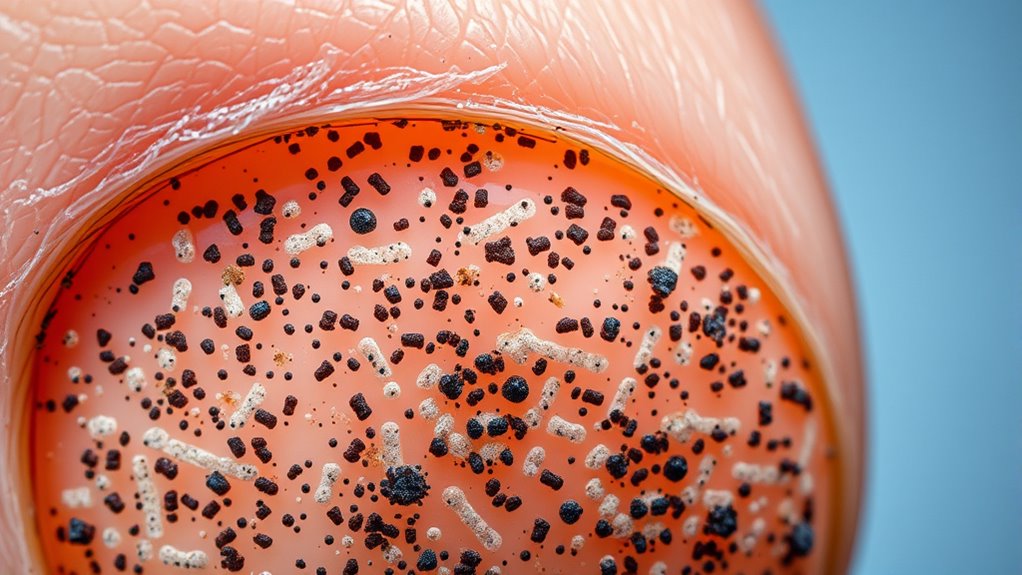
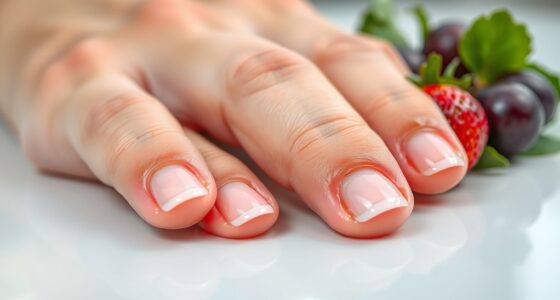
Maintaining good nail hygiene involves adopting simple yet effective habits that help prevent microbial buildup and infections. Proper cuticle care keeps bacteria and fungi from entering the nail bed, so gently push back cuticles without cutting them. Use effective nail cleaning techniques, such as scrubbing under your nails with a soft brush and soap regularly. Keep your nails short and avoid biting or picking at them. Moisturize your hands and nails to prevent dryness and cracking. Additionally, always disinfect nail tools before use, and avoid sharing them. By following these practices, you reduce the risk of harboring harmful microbes and maintain healthy, clean nails. Regularly monitor nail health to catch early signs of infection or damage.
When Microorganisms Under Nails Become a Concern
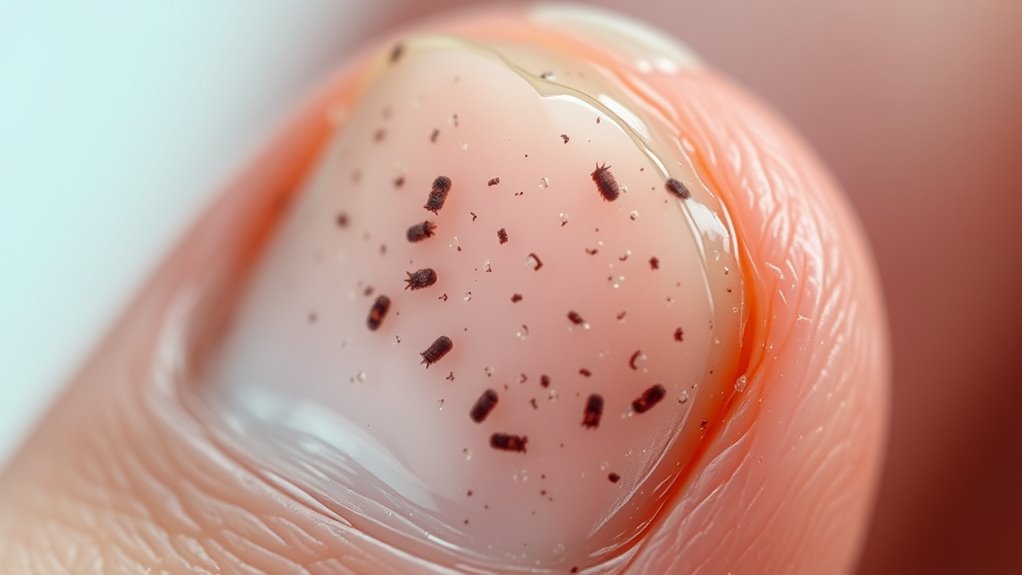
Microorganisms under nails become a concern when they multiply and invade the nail bed or surrounding skin, increasing the risk of infections. Poor nail grooming can trap dirt and microbes, creating an environment for harmful bacteria and fungi to thrive. Over time, these microorganisms can develop microbial resistance, making infections harder to treat. If you notice persistent redness, swelling, or discomfort around your nails, it’s a sign that microbes might be taking hold. Regular cleaning and trimming are essential to prevent microbial buildup. Avoid neglecting nail hygiene, especially if you have cuts or hangnails, as these provide entry points for resistant microbes. Staying vigilant about nail health helps reduce the risk of troublesome infections and minimizes the challenge posed by resistant strains. Additionally, understanding Gold IRA Rollovers can help diversify your investment portfolio to safeguard your financial future.
Frequently Asked Questions
Can Nail Microorganisms Be Transmitted Through Shared Nail Tools?
Yes, nail microorganisms can be transmitted through shared nail tools. Nail contamination occurs when bacteria, fungi, or viruses hide under your nails and on the tools. Poor tool hygiene increases the risk of spreading these microorganisms, which can cause infections. To prevent transmission, always disinfect your nail tools thoroughly after each use and avoid sharing them with others. Proper hygiene is essential for maintaining healthy nails and avoiding infections.
Do People’s Microbiomes Differ Based on Geographic Location?
Yes, your microbiome varies based on geographic location due to environmental factors, lifestyle, and hygiene practices. This geographic variation influences microbiome diversity, meaning people from different regions host distinct microbial communities on their skin and nails. You might notice differences in the types and abundance of microorganisms, which can impact your overall health and susceptibility to certain infections. Understanding this diversity helps explain why microbiomes are unique across populations worldwide.
How Do Nail Fungi Affect Overall Skin Health?
Some might think nail fungi only affect your nails, but they can impact your skin health too. When nail fungus develops, it can spread and cause skin irritation or secondary infections. This compromises your skin’s barrier, making it more vulnerable to bacteria and other fungi. Prompt treatment is essential to prevent these issues from worsening, protecting your overall skin health and maintaining a healthy, balanced microbiome.
Are There Specific Diets That Influence Nail Microbial Communities?
Yes, your diet substantially impacts your nail microbial communities. A nutritional influence with foods rich in biotin, zinc, and vitamins promotes healthy nails and supports beneficial microbes. Conversely, poor dietary choices, like excessive sugar or processed foods, can weaken your nails and foster harmful microbes. A balanced diet with nutrient-dense foods helps maintain a healthy microbial balance, strengthening your nails and overall skin health.
Can Nail Microbiota Impact the Success of Nail Treatments or Procedures?
Think of your nail microbiota as tiny, unseen allies or foes that influence your treatment outcomes. They can either support healing by balancing harmful microbes or hinder it if pathogenic bacteria dominate. When you undergo nail treatments, these microbial communities act like gatekeepers, determining success. Proper hygiene and targeted care can tip the scales, ensuring your nail microbiota promotes healing rather than sabotage it.
Conclusion
So, next time you wonder what’s lurking under your nails, remember it’s a tiny universe you unknowingly share with microbes. Coincidentally, your daily habits—like handwashing and grooming—shape this microscopic world. By staying mindful, you not only keep your nails healthy but also prevent unwanted guests from causing trouble. It’s a small reminder that sometimes, the tiniest details make the biggest difference in your overall health.