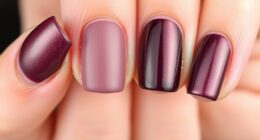

To prevent burnout in the nail industry, focus on recognizing signs like physical fatigue and emotional exhaustion early on. Establish a healthy work-life balance by setting boundaries, managing your time, and prioritizing self-care activities. Create an ergonomic workspace, take regular breaks, and stretch to reduce physical strain. Staying current with trends and building strong client relationships also boosts motivation. Keep exploring these strategies to maintain your passion and well-being in your career.
Key Takeaways
- Recognize signs of burnout early, such as physical fatigue and emotional exhaustion, to address issues proactively.
- Establish a work-life balance by setting boundaries, scheduling breaks, and prioritizing personal hobbies.
- Create an ergonomic workspace with supportive furniture and tools to prevent physical strain and injuries.
- Stay current with industry trends through ongoing education and effective client communication for confidence and relevance.
- Incorporate self-care practices like mindfulness, physical activity, and resource utilization to maintain passion and resilience.
Recognizing the Signs of Burnout

Burnout can sneak up on you if you’re not paying attention, making it harder to stay motivated and focused on your work. One clear sign is signs of fatigue that linger even after rest, leaving you physically drained. You might also feel emotionally exhausted, where even small tasks seem overwhelming or unfulfilling. You could notice a loss of enthusiasm for your craft or a sense of detachment from clients. Sleep disturbances or frequent headaches are physical indicators that your stress levels are high. Recognizing these early signs helps you address burnout before it worsens. Pay attention to how you feel both physically and emotionally—these cues are essential for maintaining your well-being and ensuring you continue to enjoy your work. Understanding the importance of self-care practices can help prevent burnout and promote long-term job satisfaction.
Establishing a Healthy Work-Life Balance
When signs of fatigue and emotional exhaustion start to creep in, it’s a clear signal to reevaluate how you’re balancing your work and personal life. Effective time management helps you carve out moments for yourself outside of work, preventing burnout. Set boundaries by scheduling regular breaks and defining end-of-day stops, so work doesn’t spill over into your personal time. Prioritize personal hobbies that bring you joy and relaxation, whether it’s reading, gardening, or practicing mindfulness. These activities restore your energy and mental clarity. Remember, establishing a healthy work-life balance isn’t a one-time effort; it’s an ongoing process. By managing your time wisely and dedicating time to hobbies, you create a sustainable routine that nurtures your well-being and keeps burnout at bay. Additionally, understanding risk assessment for your industry can help you identify stressors and develop strategies to mitigate them effectively.
Creating an Ergonomic Workspace
Have you considered how your workspace’s setup impacts your comfort and productivity? Proper workspace organization minimizes strain and enhances efficiency. Focus on chair ergonomics: choose a chair that supports your lower back, allows your feet to rest flat, and promotes good posture. Adjust your work surface height so your arms are at a comfortable angle, reducing shoulder tension. Keep frequently used tools within reach to prevent unnecessary stretching. Keep your workspace tidy to avoid clutter that can cause discomfort or distraction. Additionally, incorporating ergonomic principles from proper ergonomic setup can further reduce the risk of musculoskeletal issues. Here’s a quick guide:
| Aspect | Tips | Benefits |
|---|---|---|
| Chair Ergonomics | Support lumbar curve, adjustable height | Reduces back pain |
| Desk Height | Level with elbows when seated | Prevents shoulder strain |
| Tool Placement | Organize in easy-to-reach trays or containers | Saves time, minimizes movement |
| Lighting | Bright, even lighting to reduce eye strain | Better focus |
| Clutter Management | Regularly tidy workspace | Promotes safety and calm |
Incorporating Regular Breaks and Stretching
Incorporating regular breaks and stretching into your work routine is essential for maintaining your physical health and overall productivity. When you take short breaks, it helps reset your focus and reduces strain caused by poor desk ergonomics. Use these moments to stretch your hands, arms, neck, and shoulders to prevent stiffness and discomfort. Staying hydrated is equally important; it supports your muscles and keeps you alert. Proper desk ergonomics, like adjusting your workspace to promote good posture, makes stretching more effective and reduces fatigue. Make it a habit to step away from your station every 30 minutes, hydrate regularly, and perform quick stretches. Incorporating appropriate gear such as supportive gloves or ergonomic tools can further help prevent injuries. These simple practices can markedly decrease the risk of injury and help you stay energized throughout your shift.
Prioritizing Mental Well-Being and Stress Management

After establishing regular breaks and stretches, focusing on your mental well-being becomes the next step in maintaining a healthy work routine. Prioritizing stress management involves incorporating mindfulness practices into your day, helping you stay present and reduce anxiety. Building emotional resilience allows you to bounce back from tough days more effectively. To visualize, consider this table:
| Practice | Benefit | Example |
|---|---|---|
| Mindfulness exercises | Reduce stress, improve focus | Deep breathing, meditation |
| Journaling | Process emotions, gain clarity | Reflective writing |
| Physical activity | Boost mood, decrease tension | Quick walk or stretching |
| Setting boundaries | Prevent overload, preserve energy | Limit work hours |
| Seeking support | Enhance emotional resilience | Talk to friends or a counselor |
Prioritizing mental well-being keeps you balanced and resilient in a demanding industry. Incorporating yoga techniques can further enhance emotional stability and promote relaxation.
Building a Supportive Community
Building a supportive community is essential for nail techs to thrive both personally and professionally. When you connect with peers, you gain valuable peer support that helps you navigate challenges and celebrate successes. Joining local or online groups creates a sense of belonging and shared understanding, reducing feelings of isolation. Mentorship programs are also powerful—they allow you to learn from experienced techs, gain new skills, and receive guidance during tough times. By fostering these relationships, you create a network that encourages growth and resilience. A strong community offers emotional support, practical advice, and motivation to keep you passionate about your work. Remember, you don’t have to face every challenge alone; building connections is a crucial step toward preventing burnout. Additionally, engaging in self-care strategies can enhance your well-being and sustain your enthusiasm for your craft.
Continuing Education and Skill Development

To stay ahead in your career, you need to seek out skill enhancement opportunities regularly. Keeping up with current trends guarantees your work remains fresh and in demand. Embracing ongoing education helps you grow professionally while maintaining your passion for nail artistry.
Skill Enhancement Opportunities
Continuing education and skill development are essential for nail techs who want to stay competitive and provide first-rate services. Enrolling in certification programs allows you to master advanced techniques that set you apart from others. These programs often cover new nail art styles, gel applications, and health-safe practices, broadening your expertise. By investing in ongoing learning, you not only boost your confidence but also make sure clients receive the best possible care. Advanced techniques can help you expand your service menu and attract a wider clientele. Regularly updating your skills prevents stagnation and burnout, keeping your work fresh and exciting. Whether through workshops or online courses, committing to continuous improvement reinforces your passion and professionalism in the industry. Incorporating new product trends like vibrant nail art or innovative materials can also keep your offerings fresh and appealing to clients.
Staying Current Trends
Are you keeping up with the latest nail trends to stay ahead in the industry? Staying current requires you to engage in trend forecasting, so you know what’s next before it hits the mainstream. Follow industry leaders on social media marketing platforms to see real-time updates and innovative techniques. Attending workshops and online courses helps sharpen your skills and keeps your services fresh. Don’t rely solely on your existing knowledge—continuing education guarantees you’re adapting to new styles, tools, and products. Incorporating insights from best anime movies can also inspire creative nail art designs that resonate with clients. By actively seeking out trend insights and leveraging social media, you position yourself as a forward-thinking professional. Staying current not only boosts your confidence but also attracts clients who want the latest and greatest in nail art. This proactive approach prevents burnout by keeping your work exciting and relevant.
Setting Boundaries and Managing Client Expectations

Setting boundaries and managing client expectations are essential skills for nail techs to maintain a healthy work environment and prevent burnout. Clear client communication helps you set realistic goals and avoid overcommitting. Be upfront about your availability, appointment lengths, and services you can offer within your hours. Practice good time management by scheduling breaks and not rushing through appointments, which helps reduce stress and ensures quality work. When clients understand your limits and policies, they’re more likely to respect your boundaries. Consistently reinforcing these boundaries creates a professional atmosphere where you can thrive. Remember, healthy boundaries protect your energy and passion for your craft, making your work more enjoyable and sustainable in the long run. Incorporating techniques from auditory processing therapy can also help manage sensory overload and maintain focus during busy days.
Frequently Asked Questions
How Can Nail Techs Identify Early Signs of Burnout?
You can spot early signs of burnout by paying attention to stress signals like irritability, fatigue, or difficulty concentrating. Emotional exhaustion might make you feel overwhelmed or detached from your work and clients. If you notice these signs, it’s a good idea to take a step back, prioritize self-care, and set boundaries. Recognizing these early indicators helps you address burnout before it worsens, keeping you healthy and passionate about your craft.
What Are Practical Ways to Disconnect After Work Hours?
To disconnect after work hours, set clear boundaries by turning off work-related notifications and avoiding work emails. Practice a digital detox by limiting screen time and engaging in relaxing activities like reading or exercising. Establish a technique boundary, such as designating specific times to check messages, so you don’t feel overwhelmed. Prioritize self-care and create a routine that helps you unwind, recharge, and maintain a healthy work-life balance.
How Does Nutrition Impact Mental Health for Nail Professionals?
Did you know that nutrient deficiencies can affect 1 in 4 people, impacting your mental health? Proper nutrition plays a key role in mood regulation, helping you stay balanced during busy workdays. When you eat a diet rich in vitamins, minerals, and healthy fats, you support brain function and reduce stress. Prioritize balanced meals to keep your mood stable, prevent burnout, and maintain overall mental well-being.
What Role Does Sleep Play in Preventing Burnout?
Sleep plays a vital role in preventing burnout by ensuring you get restorative rest. Good sleep hygiene helps you fall asleep faster and stay asleep longer, so you wake up refreshed and energized. Prioritize consistent sleep schedules, limit screen time before bed, and create a calming environment. When you prioritize sleep, your mind and body recover, reducing stress and boosting your resilience against burnout in your demanding profession.
Are There Specific Mindfulness Techniques Beneficial for Nail Techs?
Did you know that nearly 80% of workers report improved focus and reduced stress through mindfulness? As a nail tech, practicing mindfulness meditation and breathing exercises can markedly help you stay centered during busy days. These techniques reduce tension, improve concentration, and prevent burnout. Incorporate short mindfulness sessions into your routine—deep breaths or mindful pauses—to stay calm, focused, and energized while caring for your clients.
Conclusion
Remember, you’re the artist shaping beauty—don’t let burnout dim your shine. By carving out time for self-care, creating a cozy, ergonomic space, and setting clear boundaries, you’ll keep your passion vibrant and your hands steady. Imagine walking into your workspace, feeling energized and confident, ready to transform nails and brighten lives. Prioritize yourself, and watch your creativity flourish. Your well-being is the foundation of your artistry—protect it fiercely.