
TL;DR

Get beauty and skincare favorites delivered free — and shop member deals
- Fast, free delivery on millions of items
- Access to Prime Big Deal Days deals on October 6–7
- Prime Video, Amazon Music and more included
A Glamour UK report describes a growing preference for relaxed, less coordinated outfits over highly polished, trend-led looks. Trend forecaster Flo Palmer links the shift to fatigue with repeated clean-girl and quiet-luxury aesthetics, while emphasizing that anti-fashion is a broad styling approach rather than a fixed uniform.
Glamour UK reports a move toward “anti-fashion” in street style: less polished, trend-led dressing and more relaxed outfits built around comfort, personal taste and unexpected combinations. The report frames the change as a response to years of fast-cycling aesthetics, including clean-girl minimalism and quiet luxury, rather than as a single new trend with a formal launch.
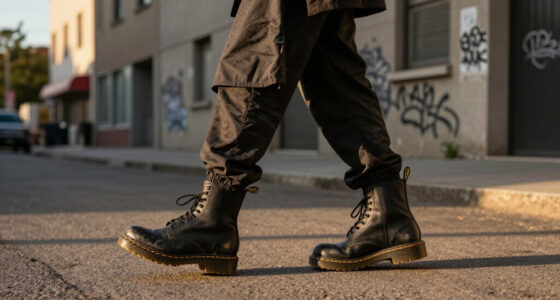
The shift is visible in outfits that look lived-in instead of carefully assembled for a photo: loose trousers, oversized shirts, sweatpants and chunky boots, sometimes paired with a statement coat or a more formal piece. The report points to actor Jennifer Lawrence as an example, describing her off-duty style as practical and understated. It also cites Zoë Kravitz’s combinations of pieces with contrasting moods and Alexa Chung’s layering of outerwear.
Trend forecaster Flo Palmer told Glamour UK that the undone look draws on the 1990s and the 2010s indie-sleaze aesthetic. She said it appeared on runways for spring/summer 2024, with Miu Miu among the labels associated with the look, and has since moved further from “clean girl” polish. These are Palmer’s observations about the trend’s development, not evidence that all consumers or designers have adopted it.
Palmer also attributed part of the shift to consumer fatigue with repeated minimalist styles, particularly as clean-girl and quiet-luxury looks became widely duplicated on the high street. She described demand for more personality and craft. The report links the wider styling mix to Gen Z’s interest in drawing from different subcultures and nostalgic references, but does not provide survey data measuring how widespread the change is.
Why Relaxed Dressing Is Gaining Ground
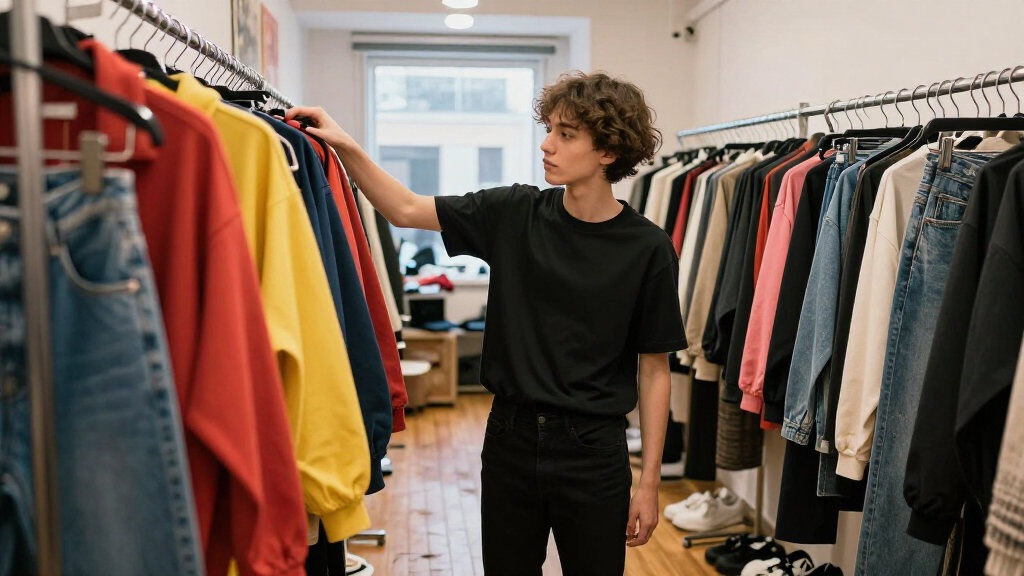
The change matters because it offers a visible counterpoint to fashion built around constant newness and carefully controlled presentation. Less coordinated dressing can make comfort, reuse and individual preference more central than buying a complete look to match a trend. That may also broaden what counts as stylish: worn trainers, baggy basics or mixed prints can be intentional rather than signs of getting dressed without care.
There is a tension in the label. “Anti-fashion” is being described by a fashion publication through runway references, celebrity examples and retail products, so a rejection of trends can itself become something the industry packages and sells. Palmer’s point is that the approach need not require dramatic outfits: a familiar white T-shirt can simply be worn looser or paired with pieces that feel personal. Whether this signals a lasting change in shopping habits, or another aesthetic that will cycle out, is not established by the report.
As an affiliate, we earn on qualifying purchases.
From Clean-Girl Polish to Intentional Mess
The article places anti-fashion after several years in which quiet luxury and clean-girl aesthetics emphasized minimal styling and a controlled finish. Palmer says the response was already visible on runways in spring/summer 2024, particularly at Miu Miu, and associates the look with earlier 1990s and indie-sleaze references. The report also notes a 2024 “frazzled English woman” aesthetic, using overfilled bags and deliberately untidy styling as examples of the broader turn.
Another strand is the growth of baggy clothing and mixed references. Glamour UK describes Gen Z styling as drawing across subcultures and periods rather than following one consistent look. In its account, that approach has matured from casual, youthful dressing into combinations such as worn trainers with a designer bag, an old T-shirt with a statement skirt, or joggers under a bold coat. These examples illustrate the report’s interpretation; they are not a quantified measure of street-style behavior.
““The undone look is inspired by the 1990s and indie sleaze 2010s.””
— Flo Palmer, trend forecaster, quoted by Glamour UK
As an affiliate, we earn on qualifying purchases.
How Broad Is the Style Shift?
The report does not establish how many people are changing how they dress, whether spending patterns are changing, or whether the shift extends beyond the street-style and fashion audiences it discusses. It offers no polling, sales figures or longitudinal data. The causes are also interpretive: Palmer connects the mood to repetition of minimalist looks and demand for personality, but the article does not independently test those explanations.
It is also unclear whether “anti-fashion” will remain a recognizable direction or become another short-lived trend. The term covers a wide range of choices—from simple oversized basics to mixed prints and clashing layers—so the report does not define a single look or measure where the trend begins and ends.
As an affiliate, we earn on qualifying purchases.
Watch Runways and Everyday Dressing
The next signals will be whether relaxed styling continues to appear in upcoming runway collections and whether it becomes more visible in everyday street style and retail assortments. No specific next announcement or milestone is identified in the report. For now, its clearest takeaway is a styling preference: people can adapt clothes they already own, rather than needing to adopt one prescribed uniform.
Readers should treat the trend description as a reported fashion analysis, not a measured forecast. Further evidence—such as consumer research, sales data or sustained coverage across seasons—would help show whether the move away from polish is a broad shift or a fresh cycle in fashion’s changing vocabulary.
As an affiliate, we earn on qualifying purchases.
Key Questions
What does “anti-fashion” mean in this report?
It describes relaxed, personal dressing that avoids a highly coordinated or polished finish. Examples include oversized basics, practical shoes and combinations of pieces with different styles.
Is anti-fashion a rejection of all trends?
No. The report presents it as a flexible approach, not a strict uniform or a rule against trends. It can involve drawing on several aesthetics or wearing familiar clothes in a more relaxed way.
Why is the look gaining attention now?
Trend forecaster Flo Palmer told Glamour UK that some consumers are tired of repeated clean-girl and quiet-luxury looks and want more personality and craft. The report does not provide survey data confirming how widespread that feeling is.
Which celebrities are used as examples?
The report points to Jennifer Lawrence in casual basics, Zoë Kravitz in contrasting pieces and Alexa Chung in layered outerwear. They are examples cited by the article, not proof that celebrities have collectively adopted one movement.
Source: rss
Halloween Picks
halloween
As an affiliate, we earn on qualifying purchases.