
TL;DR

Get beauty and skincare favorites delivered free with Prime
- Fast, free delivery on millions of items
- Prime Video, Amazon Music and more included
- Member-only deals all year
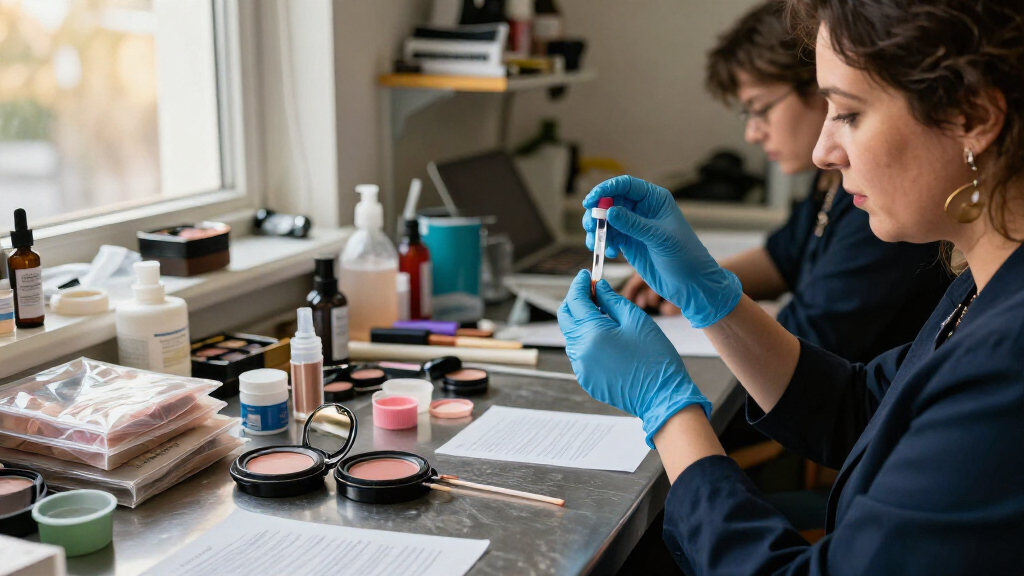
Trading Standards testing of 50 seized counterfeit cosmetics in the UK found that 20 failed safety checks. The tested products included skin care, make-up and fragrance, with mercury, lead, methanol, nicotine and hydroquinone identified in some items. The Intellectual Property Office is highlighting the findings through its Face the Fakes campaign.
A Trading Standards test of 50 seized counterfeit cosmetics in the UK found that 20 products failed safety checks, with substances including mercury, lead and methanol detected in some items. The Intellectual Property Office (IPO) is publicising the findings through its Face the Fakes campaign and urging beauty businesses to check the products they buy, use and sell.
The tested sample included skin care, make-up and fragrance. According to the investigation, one counterfeit skin-lightening cream contained 1.32% mercury, or 13,200 parts per million. Mercury is prohibited in cosmetics of this type, and repeated exposure through the skin can damage the kidneys and nervous system, the source report says.
Testing also found lead in counterfeit lipstick, eyeshadow and contour products, including 40 milligrams per kilogram in one contour kit. A counterfeit fragrance contained around 80% methanol; another perfume tested positive for nicotine. One skin-lightening cream contained 8.1% hydroquinone, which the report says is prohibited in cosmetic skin-lightening products in the UK.
The findings are being used to support the IPO’s Face the Fakes campaign, which works with beauty industry organisations, scientific experts and social media creators. The campaign is encouraging salons, retailers and beauty professionals to strengthen checks on the cosmetics they source. The source material does not state when the sample was collected or provide details about individual sellers or products.
Risks Behind Counterfeit Cosmetics
The test results show that counterfeit cosmetics can bypass the safeguards applied to legitimate products. In the UK, the source report says legitimate cosmetics are subject to ingredient controls, safety assessments and legal responsibilities for companies placing products on the market. If a product is counterfeit, buyers may not be able to rely on those controls or know what it contains.
The reported substances pose different potential risks. Mercury and lead exposure can affect the body, while sufficiently high methanol exposure can cause serious poisoning, including harm to eyesight and the nervous system. The findings do not establish that every counterfeit cosmetic contains these substances, or that every user of the tested products experienced harm. They do underscore why product origin and reliable supply chains matter to consumers and beauty businesses.
The figures also give the campaign a concrete basis for its warning: four in ten items in this specific sample failed safety checks. That is not a measure of all counterfeit cosmetics sold in the UK, but it identifies a significant concern within the seized products that were tested.
Products Worth Considering

Garmin Forerunner 70 GPS Running Smartwatch, 43 mm, Black

Withings BPM Vision Blood Pressure Monitor with Wi-Fi and Bluetooth

Therabody JetBoots Prime Wireless Compression Boots – Short (under 29 inseam)
As an affiliate, we earn on qualifying purchases.
Recent UK Counterfeit Raids
Cosmetics, skin care and perfumes are among the ten types of counterfeit goods most commonly investigated by Trading Standards, according to the source report. The latest test results sit alongside enforcement actions involving other beauty products and wider counterfeit stock.
In July 2026, the Police Intellectual Property Crime Unit and Greater Manchester Police seized 1,666 counterfeit hair products from a warehouse in Manchester, including hair extensions, shampoo and conditioners. The report also describes a raid at a production facility in Bolton, where Trading Standards officers seized goods valued at £2 million, including perfume, cosmetics, clothing and vapes. These raids concern separate seizures and do not establish that the products in them were part of the 50-item safety sample.
Industry groups have backed the campaign. Millie Kendall, chief executive of the British Beauty Council, said counterfeiters trade on the reputation and creativity of legitimate beauty businesses without meeting the same standards. The council said it supports efforts to help people buy from sources they can trust.
“Counterfeiters trade on the reputation and creativity that brilliant beauty businesses have worked hard to build, without meeting the same standards.”
— Millie Kendall, chief executive of the British Beauty Council
Limits of the Safety Findings
The reported result applies to a cross-section of 50 seized counterfeit products, not to all counterfeit cosmetics available in the UK. The source material does not give the date or locations of the sampling, explain how the 50 items were selected, or say which specific products failed for which reasons beyond the examples listed.
It also does not identify brands, sellers or manufacturers linked to the tested items, or report whether enforcement or legal action followed the testing. The findings describe substances detected in seized products; they do not establish the level of exposure experienced by any consumer. The health effects cited depend on substance, exposure and other factors.
Checks for Beauty Suppliers
The IPO campaign is urging salons, retailers and beauty professionals to strengthen checks on products they buy, use and sell. For consumers and businesses, the immediate advice from the industry representatives quoted is to pay attention to who is supplying a product and favour trusted sources.
The source material does not announce a further testing schedule, new enforcement measures or a date for another campaign milestone. Any updates on additional testing or action against suppliers would help clarify how widely the findings apply beyond this sample. For now, the reported test results and recent seizures are being presented as reasons to scrutinise product sourcing rather than as a complete picture of counterfeit cosmetics in the UK.
Key Questions
How many seized counterfeit cosmetics failed safety checks?
Twenty of the 50 products tested failed on safety grounds, according to the investigation. The sample was a cross-section of seized counterfeit products, not a survey of all cosmetics sold in the UK.
Which substances were found in the tested products?
The report says testing detected mercury, lead, methanol, nicotine and hydroquinone in some products. It gives examples from skin care, make-up and fragrance, but does not provide a full item-by-item results list.
Does the 40% figure apply to all counterfeit cosmetics in the UK?
No. It describes the 20 products that failed among the 50 seized counterfeit cosmetics tested. The source does not establish that the sample represents every counterfeit cosmetic sold or circulating in the UK.
What is the Face the Fakes campaign asking businesses to do?
The IPO campaign is urging beauty salons, retailers and professionals to strengthen checks on the cosmetics they buy, use and sell. Industry representatives also advise choosing suppliers and sources that can be trusted.
Are more testing or enforcement actions planned?
The source material does not specify a further testing timetable or announce new enforcement action connected to the sample. It reports the campaign’s awareness work and separate recent raids involving counterfeit goods.
Source: cosmeticsbusiness.com