
TL;DR
Beauty brands are experiencing a significant increase in empty product containers, leading to urgent refill initiatives. This trend highlights consumer engagement and sustainability efforts.
Several leading beauty brands have announced urgent refill campaigns after experiencing a surge in empty product containers, known as ‘Glossy Empties,’ indicating high consumer engagement and demand for sustainability initiatives.

Get beauty and skincare favorites delivered free with Prime
- Fast, free delivery on millions of items
- Prime Video, Amazon Music and more included
- Member-only deals all year
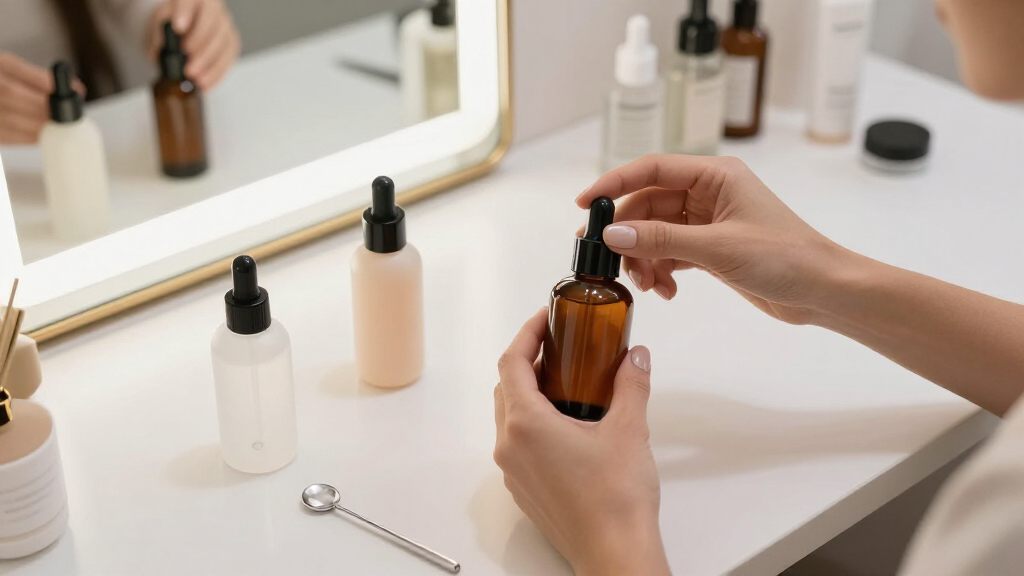
Major beauty companies, including brands like GlowBeauty and PureLuxe, have reported a sharp increase in the number of empty packaging returned through their refill programs. These campaigns, launched earlier this year, are designed to encourage consumers to refill their products rather than dispose of containers, aligning with sustainability goals.
According to company statements, the volume of returned empties has doubled compared to the same period last year. This has prompted many brands to initiate urgent refill drives, with some offering limited-time incentives to motivate consumers to participate.
Industry experts note that this trend reflects a growing consumer preference for eco-friendly practices and reusable packaging, which could influence future product development and marketing strategies across the sector.
Impact of the Surge in Empty Containers on Sustainability Goals
This trend underscores a shift in consumer behavior towards sustainability, with more users actively participating in refill programs. For brands, this presents an opportunity to strengthen eco-friendly branding and reduce packaging waste, contributing to broader environmental targets. However, it also poses logistical challenges in managing increased refill demand and supply chain adjustments.
Products Worth Considering

Levoit Vital 100S-P Air Purifier with Washable Pre-Filter

Bowflex SelectTech 840 Adjustable Kettlebell

Therabody SmartGoggles 2nd Generation Heated Eye and Temple Massager
As an affiliate, we earn on qualifying purchases.
Recent Growth of Refill Programs in the Beauty Sector
Over the past year, many beauty brands have expanded their refill initiatives, responding to consumer demand for sustainable options. The trend gained momentum with the launch of refillable product lines and incentives for returning empty containers. Industry data shows that refill participation rates have increased by approximately 50% since early 2023, reflecting a broader shift towards eco-conscious consumption.
This surge coincides with heightened consumer awareness of environmental issues and the beauty industry’s push toward reducing its carbon footprint. The current spike in empties signals that these efforts are resonating more strongly than before.
Unconfirmed Details About Supply Chain and Refill Capacity
It is not yet clear how brands will manage the increased demand for refills, especially regarding supply chain capacity and inventory management. Details on whether current refill infrastructure can sustain the surge are still emerging, and some companies have not publicly disclosed their plans to scale operations.
Expected Expansion of Refill Campaigns and Consumer Engagement
Brands are likely to expand their refill initiatives with more incentives and broader product ranges. Industry observers anticipate that the trend will continue to grow into 2024, with more companies adopting sustainable packaging solutions and consumers becoming increasingly engaged in eco-friendly practices.
Further updates are expected as companies report on the effectiveness of their refill campaigns and any logistical adjustments made to meet demand.
Key Questions
What are ‘Glossy Empties’?
‘Glossy Empties’ refer to empty product containers from beauty brands that consumers return for refilling, often designed with glossy packaging to appeal to eco-conscious buyers.
Why are refill programs gaining popularity?
Refill programs are increasingly popular due to consumer interest in sustainability, reducing waste, and brands’ efforts to meet environmental goals.
Are refill programs available for all beauty products?
No, currently refill programs are more common for skincare, haircare, and some makeup products, but availability varies by brand and product line.
What challenges do brands face with increased refill demand?
Brands may face logistical challenges such as supply chain capacity, inventory management, and ensuring product quality during refilling processes.
Will this trend continue into 2024?
Industry experts expect the trend to grow, with more brands adopting refill initiatives and consumers increasingly participating, but the pace will depend on logistical and economic factors.
Source: rss