TL;DR

Get beauty and skincare favorites delivered free with Prime
- Fast, free delivery on millions of items
- Prime Video, Amazon Music and more included
- Member-only deals all year
A Glamour UK report gathers makeup artists’ advice on how blush placement can change a look, with techniques for a natural flush, face-framing draping and a sun-kissed effect. The report also discusses formulas and blending; it does not establish that one method works best for everyone.
Glamour UK has published a guide to five ways of applying blush, drawing on makeup artists’ advice about placement, formula and blending. The report’s central point is that blush can create different effects—from a natural cheek flush to a more dramatic, face-framing look—depending on where and how it is applied.
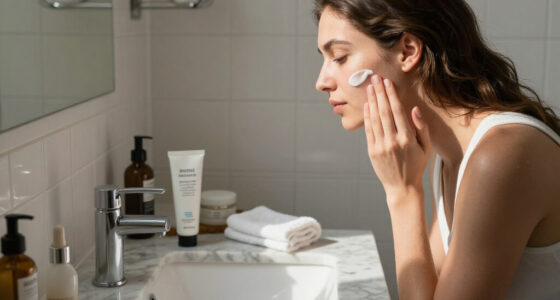
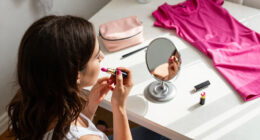
For a familiar, natural-looking result, New York-based makeup artist Elisa Flowers recommends swirling a small amount onto the apples of the cheeks and blending in circular motions. She advises keeping the colour about two fingers from the nose and two fingers below the eye to help balance its placement. Flowers says liquid or cream blush can meld with the skin for a seamless finish and may suit drier skin.
For a more dramatic style, editorial makeup artist Ingeborg describes “draping”: sweeping colour from the temples down across the cheekbones to frame the face. Flowers also suggests blending from the upper cheekbones toward the hairline, sometimes carrying the colour around the brow area. New York City makeup artist Joseph Carrillo recommends blending shades carefully, using a deeper colour near the outer eye and cheekbone, then a softer shade around the edges.
The report’s sun-kissed technique places blush across the cheeks and adds a small amount to the bridge of the nose. Makeup artist Carissa Ferreri recommends applying blush over bronzer to soften its intensity and says cream blush can be topped with powder for longer wear. Ingeborg suggests adding a little colour to the eyelids, forehead and chin. These are styling suggestions, not a substitute for sun protection; the source explicitly frames the effect as simulated rather than actual sun exposure.
Placement Changes the Blush Effect
The guide gives readers a practical way to think about blush beyond choosing a colour: placement helps shape the overall makeup effect. A small application on the cheek apples is presented as a straightforward option, while carrying colour toward the temples can create a more noticeable, editorial look. A nose accent and colour across several facial areas can suggest a sun-kissed finish.
The advice may help people adapt a routine to the result they want instead of treating one placement as universal. The report does not offer comparative testing or claim that these methods suit every face, skin type or preference. Its recommendations are attributed techniques from working makeup artists, and results can vary with product, tools and individual application.
As an affiliate, we earn on qualifying purchases.
Artists’ Techniques Behind the Guide
The source article responds to the assumption that blush has a single standard application. It presents five approaches, including a classic cheek flush, draping, a sun-kissed look and more editorial placements, and also discusses beginner advice, tools and differences between cream, powder and liquid formulas. The supplied material gives detailed instructions for several techniques but does not include complete details for all five.
The guide also uses celebrity makeup looks, including Zendaya’s, to illustrate how placement can vary. Those examples serve as visual references; the source’s actionable advice comes from the makeup artists it quotes. Product names appear in the original report, but the techniques do not depend on buying a specific brand.
“You can create a healthy, natural-looking glow by swirling a small dab of colour onto the apples of the cheeks and buffing it out in circular motions.”
— Elisa Flowers, New York-based makeup artist
As an affiliate, we earn on qualifying purchases.
Where Individual Results May Vary
The source provides professional recommendations, not a controlled comparison of techniques or formulas. It does not establish which placement is best for a particular face shape, skin type or occasion, nor does the supplied material give full instructions for every technique listed in the article. Wear time will depend on the product and application; Ferreri’s powder-over-cream suggestion is a tip, not a guaranteed result.
The report also does not provide detailed safety guidance for individual products. Readers should follow product directions and stop using a product if irritation occurs. No new study or industry-wide standard is reported.
blush brush set for makeup artists
As an affiliate, we earn on qualifying purchases.
As an affiliate, we earn on qualifying purchases.
Choosing a Technique to Try
The next step for readers is to choose the intended effect and try a small amount of blush in the recommended area, blending gradually before adding more. For a softer finish, the artists’ advice points to careful buffing and keeping colour balanced; for draping, it stresses blending shades into one another. Readers can refer to the original Glamour UK guide for its full set of techniques and product discussion.
The supplied report does not announce a follow-up study or further development. The practical outcome is a set of artist tips readers can test and adjust according to their own preferences.
As an affiliate, we earn on qualifying purchases.
Key Questions
Where should a beginner apply blush?
Flowers recommends starting on the apples of the cheeks, using a small amount and blending in circular motions. She suggests leaving about two fingers between the blush and the nose and between the colour and the bottom of the eye.
What does blush draping mean?
Draping carries blush from the temples down across the cheekbones to frame the face. Ingeborg and Flowers describe versions of the technique; Carrillo advises blending carefully, often with a softer shade around the edges.
How do makeup artists create a sun-kissed blush look?
The report describes applying blush over bronzer, then adding a small amount to the bridge of the nose. Ingeborg also suggests a touch on the eyelids, forehead and chin. The look imitates a glow and does not replace sunscreen.
Can cream blush be layered with powder?
Yes. Ferreri suggests sweeping powder blush over cream for more staying power. The report presents this as a makeup tip, not a guarantee that the colour will last all day.
Source: rss
Halloween Picks
halloween
As an affiliate, we earn on qualifying purchases.