
TL;DR

Get beauty and skincare favorites delivered free with Prime
- Fast, free delivery on millions of items
- Prime Video, Amazon Music and more included
- Member-only deals all year
A Cosmetics Business report describes travel retail, particularly airport shopping, as a new opportunity for premium beauty brands facing pressure from lower-priced competitors. The available extract does not include sales figures, named brands or examples, so the scale and causes of the reported growth remain unclear.
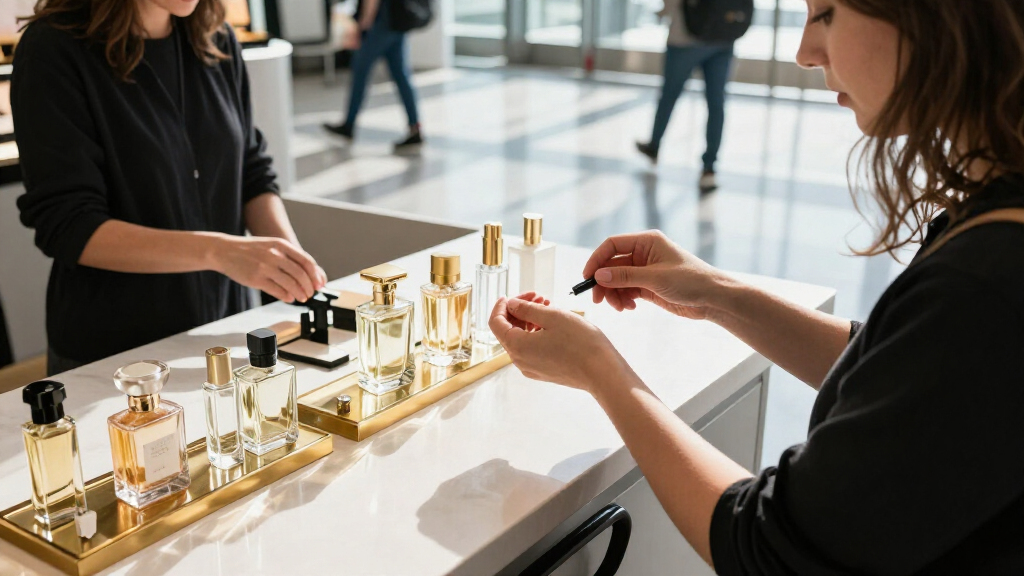
Premium beauty brands are finding a potential new sales channel in travel retail, according to a 2026 report by Cosmetics Business, which says airport shopping is changing how some consumers buy beauty products. The development matters as luxury brands face competition from lower-priced products, but the available report extract offers no sales figures or named examples to show how large the shift is.
The Cosmetics Business report frames airport beauty shopping as an opening for premium brands at a time when the wider beauty market is crowded with products and claims of innovation. It says premium players are struggling to maintain and justify higher prices as consumers pay more attention to dupes and cheaper alternatives. The report identifies travel retail as a setting where shopping habits may differ from those in online stores and conventional physical shops.
In skin care, the report cites McKinsey’s State of Beauty Industry Trends 2026 research, saying the idea that premium products necessarily perform better is losing ground. According to the report’s account of McKinsey’s findings, consumers are choosing lower-priced brands, including dermatologist-backed and Korean beauty companies, which they see as offering visible results and clinical credibility without luxury price tags.
The supplied extract does not detail which airports, retailers or beauty companies are involved, nor does it quantify sales growth, shopper numbers or spending. It presents airport retail as a promising opportunity rather than establishing how much revenue the channel has added or whether the trend is broad across markets.
For beauty companies, travel retail could provide a way to reach shoppers in a purchase environment distinct from routine online browsing or high-street shopping. If airport stores can persuade travelers to spend on premium products, the channel may help brands sustain visibility and sales while consumers scrutinize prices elsewhere. That is a possible strategic benefit, not a measured outcome in the available material.
The development also matters to travelers and retailers because it points to a changing role for airport shops: beauty may be more than a last-minute purchase category. Yet without figures on conversion, average spending or repeat purchases, readers cannot tell whether airport buying is offsetting weaker demand in other channels or simply adding another place for consumers to compare brands.
Products Worth Considering

Oral-B iO Series 5 Rechargeable Electric Toothbrush with 3 Brush Heads and Travel Case, Black

Garmin Venu® 3 Premium Fitness Smartwatch 45mm Black

Oura Ring 5 Smart Ring – Stealth, Size 11
As an affiliate, we earn on qualifying purchases.
Price Pressure Shapes Beauty Choices
The report places the travel-retail opportunity against a broader challenge for premium beauty in 2026. It describes a crowded market in which consumers face a large range of products and brands, while cheaper alternatives and dupes put pressure on luxury pricing. In skin care, the extract says the traditional association between a higher price and better performance is less persuasive for some shoppers.
Its account of McKinsey’s research points to dermatologist-backed and K-beauty brands as examples of lower-priced competitors attracting consumers through perceived results and clinical credibility. The report then contrasts that pressure with the potential of airport shopping to influence purchasing habits. The extract does not establish whether airport sales are growing faster than beauty sales elsewhere or give a time series against which to measure any change.
“The perceived rule that “premium equals performance” no longer holds true.”
— Cosmetics Business, summarizing McKinsey’s State of Beauty Industry Trends 2026 report
Sales Scale Is Not Yet Clear
The supplied extract does not identify specific brands, airports, duty-free operators or retail campaigns. It also gives no sales totals, growth rates, dates for the claimed change in shopping habits, or comparison with other sales channels. The evidence therefore supports describing travel retail as an opportunity highlighted by the report, but not as a quantified boom or a proven solution to premium beauty’s pricing pressures.
It is also unclear whether the airport-shopping shift reflects more purchases, higher spending per traveler, greater product visibility or a change in where existing beauty purchases occur. The extract does not say whether the trend applies across countries, airport types or beauty categories beyond its focus on skin care.
More Data Needed on Airport Sales
The next useful evidence would include sales and shopper data from airport retailers and beauty brands, with time periods and comparisons against stores and online channels. Details on which products are selling, how travelers discover them and whether purchases repeat after a trip would help establish whether travel retail is a durable source of growth.
Until such information is available in the supplied material, the report’s central point remains a market observation: airports are being presented as a promising setting for premium beauty at a time when lower-priced rivals are challenging luxury price premiums. The scale and staying power of that opportunity remain open questions.
Key Questions
What is the report’s main finding?
Cosmetics Business says travel retail, particularly airport shopping, is emerging as a potential opportunity for premium beauty brands facing pressure from cheaper competitors.
Why are premium beauty brands under pressure?
The report says dupes and lower-priced products are challenging luxury prices. Citing its account of McKinsey’s 2026 beauty-industry research, it says consumers are drawn to lower-priced skin-care brands they associate with visible results and clinical credibility.
Does the report show how much airport beauty sales have grown?
No. The supplied extract contains no sales figures, growth rates or comparison baseline, so the size of any increase cannot be determined.
Which brands or airports are benefiting?
The available extract names no specific beauty brands, airports or retailers. It describes travel retail as an opportunity but does not identify particular beneficiaries.
What remains unknown about the trend?
It remains unclear how many travelers are buying beauty products, how much they spend, which categories are performing, and whether airport sales represent new demand or purchases shifted from other channels.
Source: cosmeticsbusiness.com