TL;DR
Several beauty brands have launched or expanded stackable make-up packaging in the past 12 months, bringing an established format back into focus. Industry designers say the format combines tactile play and collectability with practical storage, though the source gives no sales data or evidence of how widely consumers are adopting it.
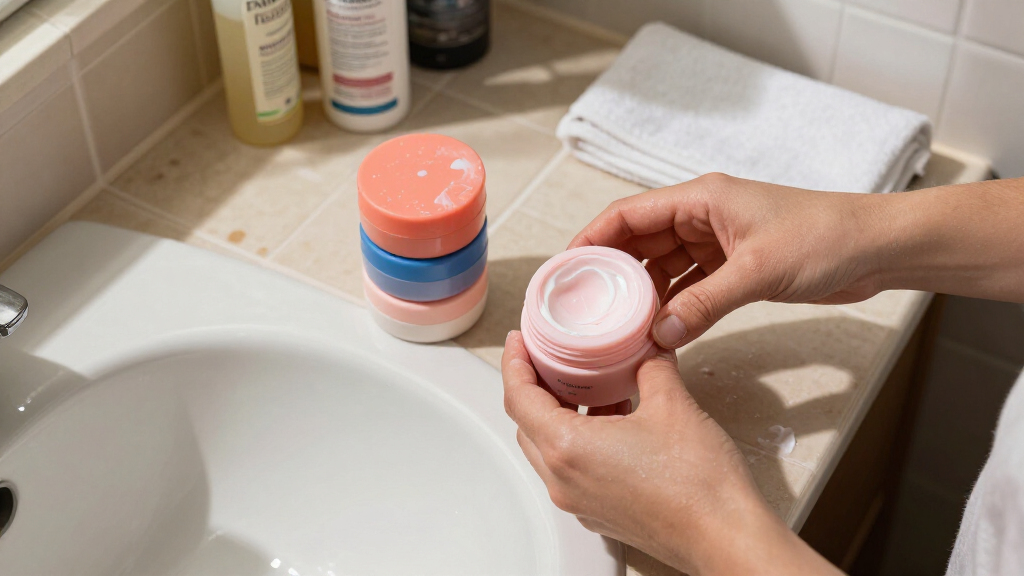
Stackable beauty packaging is returning to make-up, with Prada Beauty, Jordana Ticia, SimiHaze and Nudestix among the brands that have launched or expanded stack options over the past 12 months, according to Cosmetics Business. The format lets consumers connect or stack products, and brands are using it to pair a playful look with compact storage and everyday use.

Get beauty and skincare favorites delivered free with Prime
- Fast, free delivery on millions of items
- Prime Video, Amazon Music and more included
- Member-only deals all year
The companies named in the report have introduced or extended stackable products, although it does not provide individual launch dates, product counts or sales figures. Jordana Ticia’s blushes are one example pictured in the report: the products stack together. The source says the format is also being used for newer blush shades, where a set of separate items can encourage users to try different colours.
The appeal is not solely visual, according to industry specialists quoted by Cosmetics Business. Johanna Augustin, partner and CEO of Stockholm-based design studio Pond Design, said customers want packaging that feels distinctive and playful while remaining functional. She described stacking as a tactile, build-it-yourself feature that can add interaction without sacrificing usability.
Nick Vaus, co-founder and managing partner of London agency Free The Birds, links the format to consumers streamlining what they buy and own. The available source excerpt ends before his explanation is complete, so it does not establish how he thinks stackable packaging fits into that shift. More broadly, the report presents the format as a way to make products easier to store while adding a collectible element.
Play Meets Practical Storage
For shoppers, stacking can bring several products into one compact arrangement and make choosing or combining shades more interactive. That may be useful for people who want multiple colours without a collection of separate, bulky packages. The design also gives brands a way to distinguish products on shelves and in social media imagery, while offering consumers objects they may want to keep or display.
These are industry interpretations of the appeal, not measured outcomes. The source provides no consumer survey, sales results, packaging-waste figures or comparison with conventional formats. Whether the return represents a broad shift in buying habits, rather than a series of brand launches, remains unverified. The format’s relevance will depend in part on whether customers find the products convenient and worth purchasing beyond their novelty.
Products Worth Considering

Therabody WaveDuo Contoured Vibrating Back and Neck Roller

Philips Sonicare 7300 Rechargeable Electric Toothbrush with 3 Brush Heads, Black

Therabody SmartGoggles 2nd Gen Heated Eye and Temple Massager
As an affiliate, we earn on qualifying purchases.
An Established Format, Revisited
Stackable packaging is not new, the Cosmetics Business report says. Its renewed visibility coincides with interest in nostalgia and collectible beauty items, as well as a wider appetite for packaging that adds an experience to routine products. The report also points to blind-box packaging as another format built around surprise and anticipation, but does not offer data linking that trend directly to stackable make-up sales.
Augustin said play in packaging is being driven in part by Gen Alpha and cited the popularity of brands such as Sincerely Yours and Bubble as signs of interest in tactile experiences. This is her assessment, rather than a finding supported in the excerpt by consumer research. The source frames current stackable launches as part of a broader design conversation about personality, function and experimentation, not as a newly invented technology.
Adoption and Sales Remain Unreported
The report identifies brands and design opinions but does not give launch dates, sales performance or consumer research. It is not clear whether the named products have achieved wider adoption, how many customers use the stackable features regularly, or whether the recent launches are part of a coordinated market trend. The source also does not detail materials, refillability, recyclability or whether stacking changes a package’s environmental impact.
Augustin’s comments about Gen Alpha and consumer appetite are attributed views, not independently documented findings in the material provided. Vaus’s comments are incomplete in the available excerpt. The relationship between stackable packaging and consumers buying fewer products is therefore not fully explained.
More Launches, More Evidence Needed
The immediate development is continued brand activity: the source reports that several companies have launched or extended stack options over the past year, but gives no specific future release schedule. Readers can watch for further product announcements and details from brands about how the components connect, store and function in use.
To judge whether this is more than a design trend, the next useful indicators would be sales data, repeat-purchase figures and consumer feedback, alongside clear information on packaging materials and disposal. None is included in the report, so the scale and staying power of the comeback remain open.
Key Questions
Which brands are associated with the recent return of stackable beauty packaging?
Cosmetics Business names Prada Beauty, Jordana Ticia, SimiHaze and Nudestix as brands that launched or expanded stack options over the 12 months covered by its report.
What does stackable beauty packaging mean?
It refers to products designed to connect or sit in a stack, such as Jordana Ticia blushes shown in the report. The design can combine several products in a compact arrangement.
Why are brands using stackable packaging?
Industry specialists quoted in the report point to its tactile, playful and collectible qualities, along with practical storage and ease of use. Those comments describe their assessment of the appeal, not verified sales results.
Is stackable packaging more sustainable?
The source does not provide information on materials, recycling, refillability or environmental impact. Its sustainability cannot be determined from the available report.
How popular are the new stackable products?
The report names recent brand activity but gives no sales figures or consumer adoption data. The scale of demand is not yet clear.
Source: rss