As a nail tech, you’re exposed to fumes, dust, and chemicals every day, which can harm your lungs over time. Proper ventilation helps keep airborne particles in check, while masks with HEPA filters protect you from inhaling dangerous fumes. Wearing gloves and eye protection adds extra safety. Good work habits, like cleaning your space regularly, also reduce risks. Stay mindful of these practices to protect your respiratory health—there’s more important advice to help you stay safe and healthy.
Key Takeaways
- Nail techs are at risk of respiratory issues from inhaling fumes, dust, and chemical vapors daily.
- Proper ventilation systems and regular maintenance are essential to reduce airborne contaminants.
- Using high-quality masks and PPE significantly mitigates inhalation of hazardous particles.
- Work in well-ventilated areas, avoid rushing, and clean regularly to minimize dust and fumes.
- Combining ventilation, PPE, and safe practices helps protect long-term respiratory health.
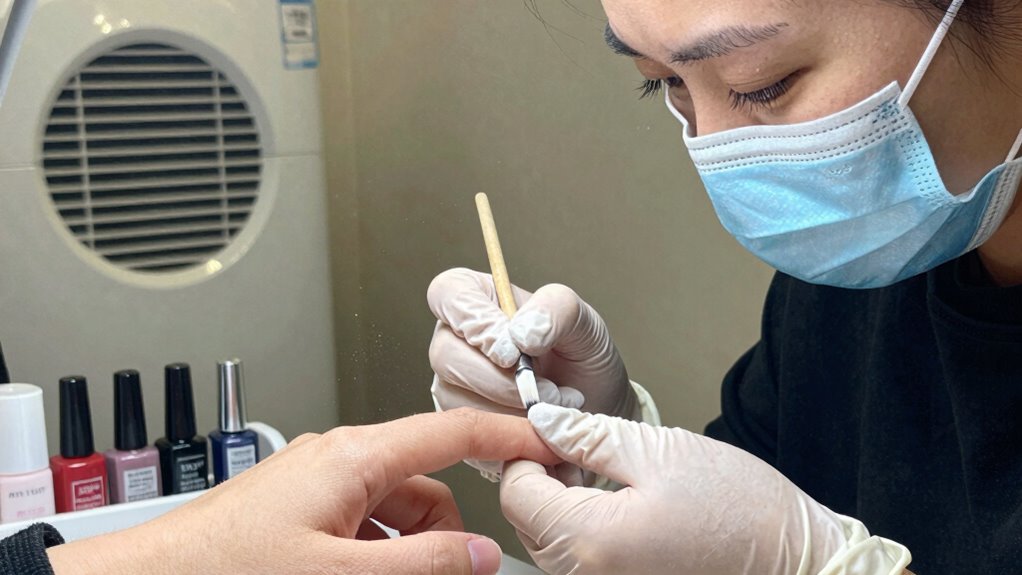
If you’re a nail technician, you’re likely aware of the chemicals you work with daily, but you might not realize how they can affect your respiratory health. Many of the products you handle—acrylic powders, nail polishes, adhesives, and solvents—release fumes and dust that can be harmful if inhaled over time. Breathing in these airborne particles regularly can lead to respiratory issues, allergies, or even long-term conditions like asthma. That’s why understanding how to minimize exposure is essential for your health and longevity in the profession.
Nail technicians face respiratory risks from daily exposure to fumes and dust; proper precautions are essential for health.
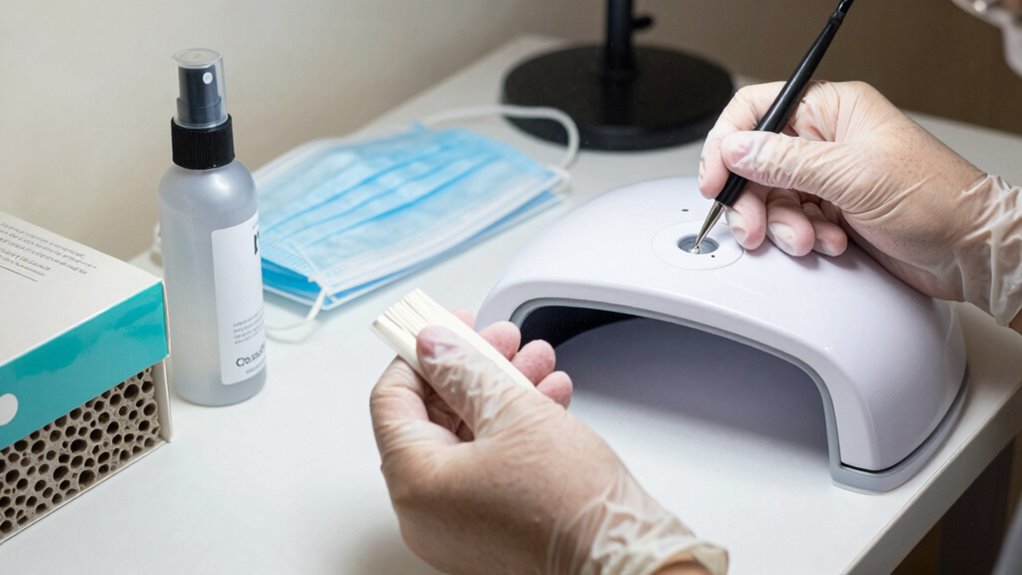
One of the most effective ways to reduce inhalation of harmful fumes is by guaranteeing your workspace is equipped with proper ventilation systems. Good ventilation helps dilute and remove airborne particles, making the air safer to breathe. If your salon lacks an adequate ventilation setup, consider investing in local exhaust systems—like portable fume extractors or downdraft tables—that pull fumes away from your face and body. Regularly maintaining and checking these systems ensures they function efficiently, providing continuous protection. Additionally, keeping windows open or using exhaust fans can improve airflow and help disperse airborne chemicals, especially in smaller or enclosed spaces.
Alongside ventilation, personal protective equipment (PPE) plays an essential role in safeguarding your respiratory health. Wearing masks designed specifically for dust and fumes can greatly reduce inhalation of hazardous particles. Look for masks with high-efficiency particulate air (HEPA) filters or respirators rated for chemical vapors. Don’t forget to replace masks regularly to maintain their effectiveness. Gloves and eye protection are also necessary to prevent chemical contact with your skin and eyes, but your respiratory safety depends heavily on proper mask usage and good airflow in your workspace.
It’s important to recognize that even with ventilation systems and PPE, consistent practices matter. Always work in well-ventilated areas, avoid rushing through procedures that generate fumes, and clean your workspace thoroughly to reduce dust buildup. Educate yourself about the hazards of the chemicals you use, and follow all safety guidelines provided by manufacturers. Regular breaks outside the workspace can also give your lungs a rest from exposure.
Ultimately, your respiratory health depends on a combination of good workspace design, protective gear, and mindful work habits. By prioritizing ventilation and PPE, you create a safer environment for yourself, allowing you to focus on your craft without compromising your long-term health.

SAVILAND Nail Face Mask for Nail Drill: Salon Clear Visibility & Comfortable Wear Full Face Mask Splash Resistant Quicker Anti Fog Nail Art Tools for Nail Artists Enthusiasts Technicians Salon Studio
Pro-Upgraded 2026 Salon-Tech Face Shield: Say goodbye to nail dust & flying broken nails while filing nails, 100%…
As an affiliate, we earn on qualifying purchases.
As an affiliate, we earn on qualifying purchases.
Frequently Asked Questions
How Often Should Nail Techs Replace Their Masks?
You should replace your mask regularly, ideally after each use or when it becomes damp or soiled. The mask material can degrade over time, reducing its effectiveness. Make sure a proper fit each time you wear it, avoiding gaps that let airborne particles in. If you’re using a disposable mask, follow manufacturer guidelines, usually replacing it daily or after a few hours of work. Replacing your mask regularly keeps you protected and maintains good respiratory hygiene.
Are There Any Long-Term Health Effects From Respirable Dust?
Are you aware that long-term exposure to respirable dust can lead to respiratory diseases? Dust particle size plays a vital role in how deeply dust enters your lungs. Over time, inhaling fine dust particles may cause chronic issues like bronchitis or even more severe health conditions. Protecting yourself with proper masks and ventilation reduces your risk. Don’t underestimate the impact of prolonged dust inhalation—your respiratory health depends on it.
What Signs Indicate Respiratory Irritation or Illness?
You might notice allergy symptoms like sneezing, itchy eyes, or a runny nose, which can indicate respiratory irritation. Breathing difficulties, such as shortness of breath, wheezing, or tightness in your chest, are also signs of potential illness. If you experience these symptoms regularly during or after work, it’s essential to assess your workspace for proper ventilation and use protective equipment to minimize exposure and protect your respiratory health.
Can Natural Remedies Help Reduce Respiratory Symptoms?
Yes, natural remedies like holistic healing and herbal solutions can help reduce respiratory symptoms. You might find relief with herbal teas, such as ginger or chamomile, which soothe irritation. Incorporating steam inhalation with eucalyptus or peppermint can also open airways. Remember, while these natural remedies can support your recovery, it’s crucial to consult a healthcare professional if symptoms persist or worsen, especially with ongoing respiratory exposure.
How Does Ventilation Impact Airborne Contaminant Levels?
In the blink of an eye, ventilation becomes your secret weapon. It directly impacts airborne contaminant levels by improving airflow efficiency and dispersing particles more effectively. When you enhance ventilation in your workspace, you reduce the concentration of fumes and dust, making the environment safer. Proper ventilation keeps airborne contaminants at bay, protecting your respiratory health, and ensuring a cleaner, healthier salon atmosphere.
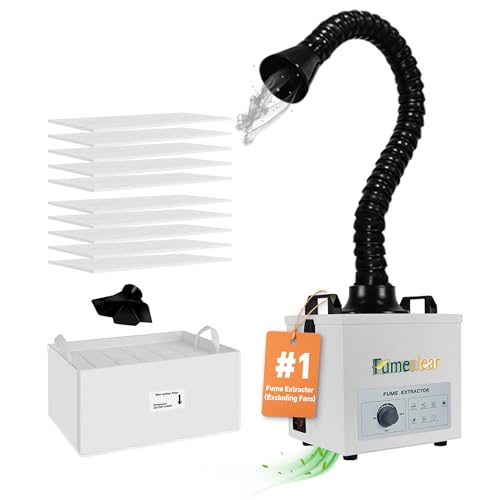
FumeClear Solder Fume Extractor – Powerful 100W Suction 200m³/h, Low-Noise, 3-Stage Filtration System with 12PCS Filters for Laser Welding Smoke Absorption and Desktop Soldering
99.97% Purification Rate: The FumeClear FC100A fume extractor is ideal for small bench soldering. It has a maximum…
As an affiliate, we earn on qualifying purchases.
As an affiliate, we earn on qualifying purchases.
Conclusion
Now, as you navigate your busy days, consider how a simple breath can connect you to the air around you—sometimes quietly carrying unseen risks. Just like discovering a lost tool in your kit, understanding respiratory exposure might seem small, but it’s essential for your safety. Staying informed isn’t just about the products you use; it’s about protecting your health in the unexpected moments. After all, the smallest awareness can make the biggest difference.
FumeClear Solder Fume Extractor – Powerful 100W Suction 200m³/h, Low-Noise, 3-Stage Filtration System with 12PCS Filters for Laser Welding Smoke Absorption and Desktop Soldering
99.97% Purification Rate: The FumeClear FC100A fume extractor is ideal for small bench soldering. It has a maximum…
As an affiliate, we earn on qualifying purchases.
As an affiliate, we earn on qualifying purchases.

AirGearPro G-500 Reusable Respirator Mask with A1P2 Filters | Anti-Gas, Anti-Dust | Gas Mask Ideal for Painting, Woodworking, Construction, Sanding, Spraying, Chemicals, DIY etc
PROTECTION : The AirGearPro G-500 Respirator mask and Safety Goggles are CE certified to ensure your protection during…
As an affiliate, we earn on qualifying purchases.
As an affiliate, we earn on qualifying purchases.