To start your own nail salon, you need a solid business plan, proper licensing, and adherence to safety standards. Secure your cosmetology or nail technician license, obtain necessary permits, and follow health department guidelines. Establish a strong online presence by showcasing your work and special offers, and use local advertising to attract clients. Building a memorable brand and maintaining excellent service will help grow your business. Keep learning the key steps to launch and succeed in your salon venture.
Key Takeaways
- Develop a comprehensive marketing plan emphasizing your salon’s unique offerings and establish a strong online presence.
- Obtain all necessary licenses, permits, and ensure compliance with health and safety regulations.
- Create a professional, clean, and inviting salon environment to attract and retain clients.
- Implement sanitation and safety protocols to ensure client trust and meet regulatory standards.
- Build customer loyalty through excellent service, referral programs, and engaging social media content.

Starting your own nail salon can be an exciting and rewarding venture, but it requires careful planning and preparation. One of the first steps is understanding the importance of effective marketing strategies. To attract clients and build a loyal customer base, you need to develop a clear marketing plan that highlights your salon’s unique offerings. Consider creating a strong online presence through social media platforms like Instagram and Facebook, where you can showcase your nail art and special promotions. Offering introductory discounts or referral programs can also help bring in new customers. Local advertising, such as flyers, community events, or partnerships with nearby businesses, can boost visibility and establish your presence in the neighborhood. Remember, consistent branding and engaging content will make your salon memorable and encourage word-of-mouth referrals.
Alongside marketing, you must pay close attention to licensing requirements. Every state or city has specific regulations governing beauty salons, and failing to comply can lead to fines or even closure. Typically, you’ll need a state cosmetology or nail technician license, which involves completing a certified training program and passing a licensing exam. It’s essential to research your local health department’s standards, as they often require your salon to meet certain sanitation and safety protocols. Securing permits for your business location, such as a general business license and possibly a sales tax permit, is also vital. These licensing requirements not only ensure you operate legally but also reassure clients that your salon adheres to health and safety standards. Keep detailed records of all licenses and permits, and stay updated on any changes in regulations to avoid penalties. Additionally, understanding hours of operation for related services can help you plan your staffing and appointment scheduling effectively.
Balancing these initial steps—crafting solid marketing strategies and complying with licensing requirements—sets a strong foundation for your salon. Investing time in understanding your target market and tailoring your marketing efforts will help draw the right clientele. Meanwhile, adhering strictly to licensing standards will protect your business and build trust with your customers. As you move forward, focus on creating a professional environment that reflects your brand’s identity and values. This combination of strategic marketing and diligent compliance forms the backbone of a successful nail salon. Remember, thorough preparation now will save you headaches later and position your salon for sustainable growth. Starting your own nail salon is more than just offering beauty services; it’s about creating a trusted, attractive space where clients feel valued and enthusiastic to return.
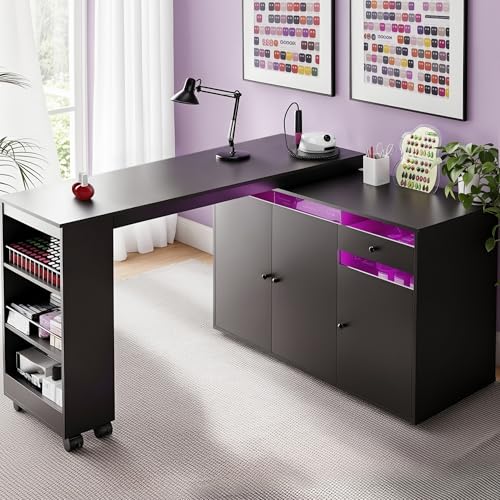
HolaiNail L-Shaped Manicure Table with Storage Cabinet, Drawer & Shelf, Rotating & Convertible Nail Tech Desk, Modern Nail Salon Table with LED Light, Black
【Multi-Purpose Convertible Table】This nail desk easily switches between L-shaped, extended, and overlapped layouts, adapting to corners, small spaces,…
As an affiliate, we earn on qualifying purchases.
As an affiliate, we earn on qualifying purchases.
Frequently Asked Questions
What Are the Best Locations for a New Nail Salon?
You should choose a location with favorable neighborhood demographics, such as high foot traffic and a target customer base interested in nail services. Avoid areas saturated with local competition by researching nearby salons to find gaps you can fill. Opt for spots near shopping centers, busy streets, or residential neighborhoods where potential clients frequent. This way, you’ll increase visibility and attract steady customers, giving your nail salon a strong start.
How Do I Price My Nail Services Competitively?
Imagine your nail services as vibrant brushstrokes on a busy canvas. To price competitively, you need effective pricing strategies that reflect your quality and appeal. Conduct thorough competitor analysis to see what others charge for similar services, then adjust your prices slightly lower, matching or exceeding value. This approach attracts clients while ensuring your salon remains profitable, helping your business stand out amid the colorful marketplace.
What Licenses and Permits Are Required?
You need to understand the licensing requirements and permit application process for your area. Check with your state and local health departments to identify the necessary licenses, such as a cosmetology or nail technician license. You’ll typically complete a permit application, pay fees, and provide proof of training or certification. Ensuring you meet all licensing requirements helps you operate legally and avoids fines or shutdowns.
How Can I Attract and Retain Clients?
To attract and retain clients, focus on effective marketing strategies like social media promotions and special offers. Provide exceptional customer service to build strong relationships and foster customer loyalty. Encourage repeat visits by offering loyalty programs and personalized experiences. Stay active in your community and ask for feedback to enhance. Consistently delivering quality service and engaging with clients ensures they keep coming back and recommend your salon to others.
What Are Common Startup Costs for a Nail Salon?
You’ll need to budget for startup costs like nail art supplies, such as brushes and polishes, and salon uniforms for staff. Equipment costs include manicure stations, chairs, and lighting. Don’t forget licensing fees and initial marketing expenses to attract clients. Setting aside funds for cleaning supplies and disposable tools is essential. Planning for these costs guarantees your salon is well-equipped, professional, and ready to offer premium services from day one.

Cosmetology State Board Exam Study Guide 2025-2026: Complete Written & Practical Test Prep with 5 Full-Length Practice Questions, Answer Explanations, and Step-by-Step Licensing Success Strategies .
As an affiliate, we earn on qualifying purchases.
As an affiliate, we earn on qualifying purchases.
Conclusion
Starting your own nail salon can be a rewarding venture, especially since the beauty industry is expected to grow by 10% over the next five years. With the right planning, dedication, and passion, you can turn your dream into reality. Remember, providing exceptional service and building a loyal clientele are key to success. So, take the leap—you have the skills and vision to make your nail salon a thriving business!

Salon Disinfectant Jar – Shatterproof Acrylic – Barber Alcohol Jar – Salon Sterilizer Jar – Barber Comb Cleaner – Barber Cleaning Supplies – Salon Barber Tools
STERILIZER JAR: A must-have accessory for stylists, barbers, cosmetologists and nail techs. Just fill with sanitizing solution, place…
As an affiliate, we earn on qualifying purchases.
As an affiliate, we earn on qualifying purchases.

Etercycle Nail Stand Acrylic Nail Art Display Stand Practice Nail Holder for Painting Nails Magnetic Practice Stands with Double-sided Tape For DIY Salon Supplies (Pink)
PACKAGE INFORMATION: You will get 2 sets of acrylic nail holders and 2 strips of double-sided tape (each…
As an affiliate, we earn on qualifying purchases.
As an affiliate, we earn on qualifying purchases.